Choosing a China best cleaning robot is not only about suction power, smart mapping, or a low price. Its cleaning schedule matters just as much. Many households ask, “how often should a cleaning robot run?” The practical answer depends on floor type, room traffic, pets, children, and dust levels. A quiet apartment may need cleaning three times weekly. A busy home with pets may need daily cleaning.
In real use, a robot vacuum often performs best with short, regular sessions. Running it every evening can collect crumbs near the dining table and fine dust under the sofa. However, daily operation is not always necessary. Excessive cleaning may increase brush wear, battery cycles, and maintenance work. Check the dustbin, side brushes, filter, and wheels regularly. A full dustbin can reduce airflow and leave visible debris behind. That small detail is easy to overlook.
Reliable manufacturers usually provide scheduling guidance based on testing, but household conditions remain different. Some models handle thick carpets well, while others work better on hard floors. Mopping robots also need clean water and a washed pad after repeated use. Otherwise, they may spread dull, unpleasant odors across the floor. My experience suggests starting with three cleaning sessions per week, then adjusting after observing dust buildup. This is not a perfect formula. A robot cannot replace careful inspection. Watch the corners, stairs, and areas behind furniture. These missed spots reveal whether the schedule truly works.
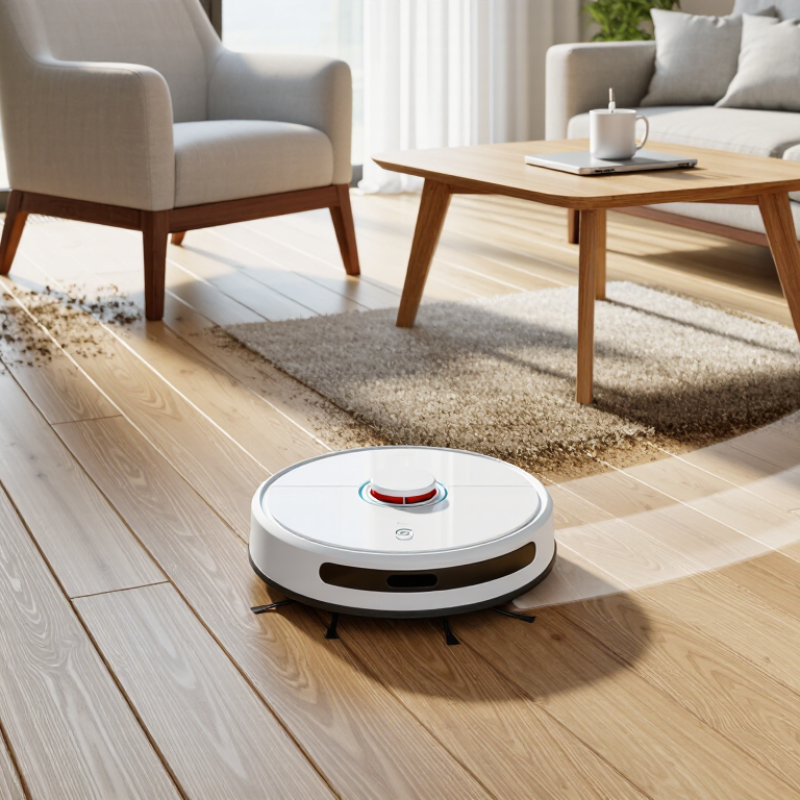
The ideal cleaning robot running frequency depends on foot traffic, floor type, pets, and household habits. In a busy home, running it daily usually controls crumbs, dust, and pet hair before they spread. High-traffic kitchens may need two short runs each day.
For an average home, three or four runs weekly provide a practical balance. Homes with fewer occupants may need only one or two runs weekly. Hard floors often show debris quickly, while carpets can hide it longer. However, hidden dust still affects indoor cleanliness. A robot should run when rooms are clear, its dustbin is not full, and the battery can complete the route. My own schedule is not always consistent, and that matters. A perfect timetable is less useful than a realistic one.
Tips: Set cleaning after breakfast or before bedtime, when people move less. Check brushes weekly, especially if long hair collects around the roller. Empty the dustbin after heavy cleaning. Reduce the frequency if the robot leaves damp floors, misses areas, or repeatedly gets stuck. Increase it during shedding seasons or after home repairs. Some users run robots too often without checking maintenance. That can reduce cleaning quality, not improve it. A simple trial schedule for two weeks can reveal the right frequency for each room.
| Household Condition | Recommended Frequency | Typical Cleaning Time per Run | Suggested Cleaning Mode | Practical Reason |
|---|---|---|---|---|
| One or two adults, no pets | 2–3 runs per week | 30–60 minutes | Standard vacuuming | Usually sufficient for normal dust and daily foot traffic. |
| Family with children | 4–6 runs per week | 45–90 minutes | Standard or strong vacuuming | More frequent cleaning helps manage crumbs, dust, and tracked-in dirt. |
| Home with one or more pets | Daily or every other day | 45–90 minutes | Strong vacuuming with scheduled passes | Regular runs reduce loose hair, dander, and tracked litter. |
| High-dust or urban environment | 5–7 runs per week | 45–90 minutes | Standard vacuuming; focus on entry areas | Frequent cleaning prevents fine dust from accumulating on hard floors. |
| Mostly hard floors | 3–5 runs per week | 30–75 minutes | Vacuuming or combined vacuum-and-mop | Hard floors show dust and benefit from consistent maintenance. |
| Large carpeted areas | 3–5 runs per week | 60–120 minutes | Standard or strong vacuuming | Carpet can hold dust and hair, but longer cycles may use more battery. |
| Low-occupancy home or occasional use | 1–2 runs per week | 30–60 minutes | Eco or standard vacuuming | Suitable when there is limited foot traffic and little loose debris. |
Three runs weekly may control ordinary dust for two adults. Sealed floors can need less. Check the actual floor, not just the calendar.
Daily runs may help homes with shedding pets, children, or dusty entrances. Focus on doorways and busy paths. Short cycles often work better.
Run it after dinner, when crumbs are visible and chairs have moved. Keep it away from wet spills unless it supports wet cleaning. Timing matters.
No. Kitchens and entrances may need daily passes. A quiet guest room might need weekly cleaning. Room traffic changes everything.
Pause it during children’s playtime, wet mopping, repairs, or heavy cable clutter. Stop it around loose objects and unstable furniture. Safety comes first.
Hair can wrap around carpet brushes within a few days. Inspect the brush regularly. Shorter, more frequent sessions may collect hair more reliably.
A full dustbin, weaker suction, or missed debris suggests a clogged filter or brush. Empty the bin and inspect the underside. I sometimes forget this step.
Add passes near doors after muddy footprints appear. Wait until heavy dust settles near construction areas. Extra cleaning is useful, but constant operation is wasteful.
Let brushes, filters, and bins dry fully after wet cleaning. Moisture can create unpleasant odors. The schedule may need adjustment.
No. It may miss corners, thresholds, and fine dust along walls. Ventilate rooms and control dirt at its source. The routine will never be perfect.
Determining how often should a cleaning robot run depends on your home’s size, floor type, household activity, and level of dirt. In most homes, running it once a day keeps dust, crumbs, and pet hair under control, while smaller or less active spaces may only need cleaning several times a week. High-traffic areas, homes with children or pets, and rooms exposed to outdoor dirt may benefit from more frequent sessions.
Different floors also require thoughtful scheduling. Hard floors can usually be cleaned daily, while carpets may need fewer but deeper cleaning cycles to reduce wear and conserve battery power. A practical routine should balance cleaning performance with charging time, noise, and maintenance. You may need to adjust or pause the schedule during busy periods, when floors are already clean, or when obstacles and spills require manual attention. Reviewing results regularly helps create an efficient routine that keeps the home comfortable without unnecessary operation.

 NovaBot Robot