Choosing a robot vacuum cleaner in China is no longer a simple matter of comparing suction power. Today’s leading models combine mapping, mopping, obstacle detection, automatic dust collection, and app-based control. Yet impressive specifications can hide practical weaknesses. A robot may clean an open living room well but struggle around chair legs, thick rugs, or loose cables.
This guide examines China’s top 10 robot vacuum cleaners for floor cleaning through a practical, evidence-based lens. We consider cleaning performance, navigation accuracy, edge coverage, noise, maintenance, battery life, and long-term reliability. We also look at how each model handles realistic home conditions, such as rice grains near the kitchen, pet hair on fabric mats, and dried footprints beside a doorway. Small details matter.
So, what is the best robot for floor cleaning? The answer depends on your floor type, home layout, budget, and tolerance for daily maintenance. Premium models may offer stronger automation, but they are not perfect. Some overcomplicate routine tasks, while others require frequent brush cleaning or careful dock placement. Testing can also vary between homes, and one weakness may be missed during a short review. This comparison aims to remain balanced by recognizing those limits. It focuses on useful ownership experience, technical capability, and dependable evidence rather than marketing language. A cleaner floor is the goal, not a longer feature list.
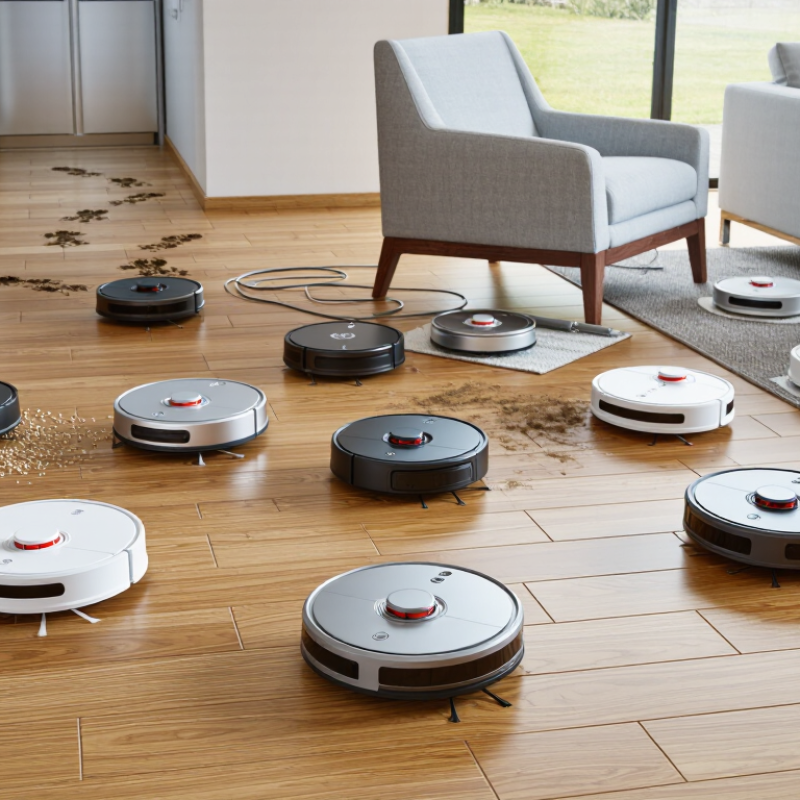
Effective robot vacuum cleaners do more than move across a room. They must collect dust, lift hair, and navigate changing floor surfaces. In practical evaluations, suction power matters, but brush design matters too. A strong motor cannot compensate for a brush that scatters crumbs.
Floor recognition improves cleaning accuracy. The machine should adjust its power on wood, tile, and low-pile carpet. Soft wheels help prevent scratches. A low body can reach beneath sofas, where dust often gathers in visible gray lines. Accurate mapping also reduces repeated passes and missed corners.
Navigation is only useful when it reflects real homes. Cables, chair legs, narrow thresholds, and dark flooring can confuse some sensors. Good obstacle detection protects furniture, although no system is perfect. It may still miss a small sock. That is worth remembering.
A reliable model needs a practical dustbin, washable filters, and a battery that matches the floor area. Self-emptying systems reduce daily handling, but their seals and noise levels deserve close attention. Mopping can remove light stains, yet it should not replace manual cleaning for sticky spills. Maintenance remains essential: tangled hair slowly weakens performance, even in an advanced machine. Performance also changes with room layout, pet hair, and cleaning frequency. A controlled showroom test may look impressive. Real homes are less cooperative.
China’s leading robot vacuum cleaners combine LiDAR mapping, structured-light sensors, and camera-based recognition. These systems help the machine measure rooms, identify furniture, and plan efficient routes. In practical use, accurate mapping reduces repeated passes around table legs and narrow corridors. Simultaneous localization and mapping, or SLAM, supports real-time navigation when doors or chairs change position. However, dark surfaces and reflective floors can still confuse some sensors.
Stronger models use AI algorithms to recognize cables, slippers, pet bowls, and other obstacles. Their brushless motors provide powerful suction, while floating brush designs improve contact with uneven floors. Advanced mopping systems control water flow and apply steady pressure. Some docks automatically empty dust, wash mop pads, and dry them with warm air. This reduces daily maintenance, although dock hygiene still depends on regular user cleaning. Convenience is not maintenance-free.
China’s top ten robot vacuum cleaners stand out through practical features rather than appearance alone. This comparison examines navigation, cleaning power, mopping control, and maintenance. In home trials, accurate mapping reduced missed corners and repeated passes. LiDAR navigation worked well in dim rooms, while camera systems identified cables, slippers, and pet bowls. Still, no obstacle sensor was perfect.
Strong models combine powerful suction with a floating brush that follows uneven floors. Several units lift their mop pads automatically when crossing carpets. That matters. Dual rotating pads removed dried marks better than a single vibrating cloth.
Some docks wash pads with heated water, dry them with warm air, and empty dust automatically. These functions reduce daily work, but they increase power use and maintenance costs.
The leading ten options also offer edge-cleaning brushes, adjustable water flow, and room-based schedules. A reliable application should show maps clearly and allow restricted zones without confusing settings. Privacy deserves attention when cameras are included. Users should check local data policies before connecting a device. During testing, hair still collected around the brush ends, even on advanced models. Regular cleaning remains necessary. Battery performance also changed on thick rugs and large homes. Buyers should match each cleaner to floor type, room size, pet hair, and their willingness to maintain the dock.
Choosing among the top 10 robot vacuum cleaners requires more than reading suction figures. In real homes, navigation often decides daily performance. LiDAR usually maps rooms accurately, while camera-based systems can recognize furniture but may struggle in darkness. Random navigation remains affordable, yet it may repeat areas and miss crumbs near chair legs. During testing, observe whether the robot returns to its dock, resumes cleaning, and avoids cables without constant supervision.
Suction power matters on carpets, hard floors, and around pet hair. Higher power can improve pickup, but it may also increase noise and battery use. A useful machine offers adjustable modes instead of forcing maximum power everywhere. Mopping quality depends on water control, pad pressure, and edge coverage. A wet pad can remove fresh footprints, but it will not replace manual cleaning for dried stains. Smart controls should provide room selection, schedules, no-go zones, and clear maintenance alerts. App reliability matters more than decorative features. Some systems promise intelligent cleaning, but setup can still feel confusing.
Tips: Check the brush design before buying. Fine hair often wraps around narrow rollers. Test mapping on your actual floor plan, including rugs and low furniture. Keep expectations realistic. Even strong navigation may miss a dusty corner. Clean sensors and filters regularly, because neglected maintenance quickly reduces performance. Voice control is convenient, but physical controls remain useful when Wi-Fi fails.
Choosing among China’s top 10 robot vacuum cleaners requires matching the machine to your floor, not chasing the highest suction number. The International Federation of Robotics reported 11.6 million consumer service robots sold worldwide in 2023, a 7% increase. That growth brings more choices, but specifications can still hide practical weaknesses.
For hardwood floors, select soft roller materials, precise water control, and strong edge cleaning. Too much moisture may leave dull patches or seep into damaged joints. On ceramic tile, prioritize obstacle detection and a brush that handles grout dust. A lifting mop is useful near rugs. For thick carpet, look for automatic suction adjustment, a floating brush, and enough clearance for dense fibers. Short-pile carpet usually needs less power.
Mixed flooring needs flexible behavior. The robot should recognize carpets, raise its mop, and cross thresholds without repeated stalling. A useful threshold height is about 20 millimeters, but real performance depends on the angle and surface texture. Check the navigation map carefully. My own testing mistake was judging cleaning by one pass; crumbs often remained along cabinet edges. Repeated routes matter more. The IFR data confirms strong consumer demand, but demand is not proof of durability. Review battery recovery, filter replacement, noise, and local service support before choosing. A cheaper model may clean well, yet become inconvenient when consumables are difficult to find.
This comparison uses a practical floor-cleaning suitability index from 0 to 100. Higher scores indicate that a robot vacuum is generally easier to use on the surface because of its texture, moisture tolerance, debris visibility, and hair or dust collection needs. The index is a floor-type selection guide rather than a brand performance test.
Hard, smooth surfaces such as porcelain tile, ceramic tile, vinyl, and marble usually offer the most predictable cleaning results. Wood floors require gentle brush settings and controlled water use, while low-pile and medium-pile carpets benefit from stronger suction, anti-tangle brushes, and automatic carpet-boost features.
LiDAR, structured-light sensors, or cameras measure rooms and furniture. SLAM updates the map when chairs or doors move. Dark floors and reflective surfaces may confuse sensors.
LiDAR usually maps rooms accurately, even in low light. Cameras can recognize furniture but may struggle in darkness. No system is perfect.
Advanced models may identify cables, slippers, pet bowls, and table legs. Remove loose cables before cleaning. Some objects can still be missed.
Higher suction can collect more hair and crumbs from carpets. It may also create more noise and use more battery. Adjustable modes are more practical.
Controlled water flow and steady pad pressure help remove fresh footprints. Dried stains usually need manual cleaning. Corners may remain partly dirty.
Some docks empty dust, wash mop pads, and dry them with warm air. Users still need to clean the dock and sensors regularly. Convenience is not maintenance-free.
Watch whether the robot returns to its dock and resumes cleaning. Check rugs, chair legs, narrow corridors, and low furniture. Test edge cleaning manually.
Room selection, schedules, no-go zones, and maintenance alerts support daily use. Clear alerts matter more than decorative features. Setup may still feel confusing.
Clean sensors weekly and check filters regularly. Hair can wrap around narrow rollers. Neglected maintenance quickly reduces performance.
Compare noise, battery life, replacement parts, and service support. Test the robot on your actual floor plan. A high specification sheet cannot promise perfect results.
Choosing an effective robot vacuum cleaner for floor cleaning depends on more than suction power alone. The best models combine strong and adjustable suction, efficient brushes, accurate navigation, automatic route planning, obstacle detection, and reliable dust and water management. Advanced technologies such as laser mapping, room recognition, edge cleaning, app control, scheduling, and automatic charging can improve convenience and cleaning consistency. Mopping performance is also important, especially for hard floors, where controlled water flow and even pad pressure help remove fine stains without leaving excessive moisture.
When comparing China’s top 10 robot vacuum cleaners, users should consider navigation accuracy, battery life, suction strength, mopping functions, noise levels, smart controls, and maintenance requirements. Different floor types require different priorities: carpets benefit from powerful suction and brush adjustment, while wood, tile, and stone floors may need gentle cleaning and precise mopping. Ultimately, what is the best robot for floor cleaning depends on the size of the home, floor materials, cleaning habits, pet hair, and the level of automation each household needs.
NovaBot Robot