Are Commercial Cleaning Robots Profitable for Your Business?

Time:2026-07-31 Author:Charlotte
0%

In today’s fast-paced business environment, efficiency is crucial. Many companies are exploring how technology can enhance operations. One innovative solution is the use of commercial cleaning robots. These machines promise to reduce labor costs and increase productivity. But the question remains: are commercial cleaning robots profitable for your business?

Adopting cleaning robots may seem appealing. They can work tirelessly, providing consistent results. However, potential challenges exist. Initial investment costs can be high. Businesses must consider maintenance and software updates as well. It’s essential to weigh these factors against the expected benefits. Understanding the true value of these robots is key.

Some companies report remarkable success. They see reduced labor hours and improved cleanliness. Others, however, face difficulties. Integration into existing workflows can be complex. Profitability often depends on the industry and scale of operations. Thus, while commercial cleaning robots can offer advantages, a thorough evaluation is vital for making informed decisions.
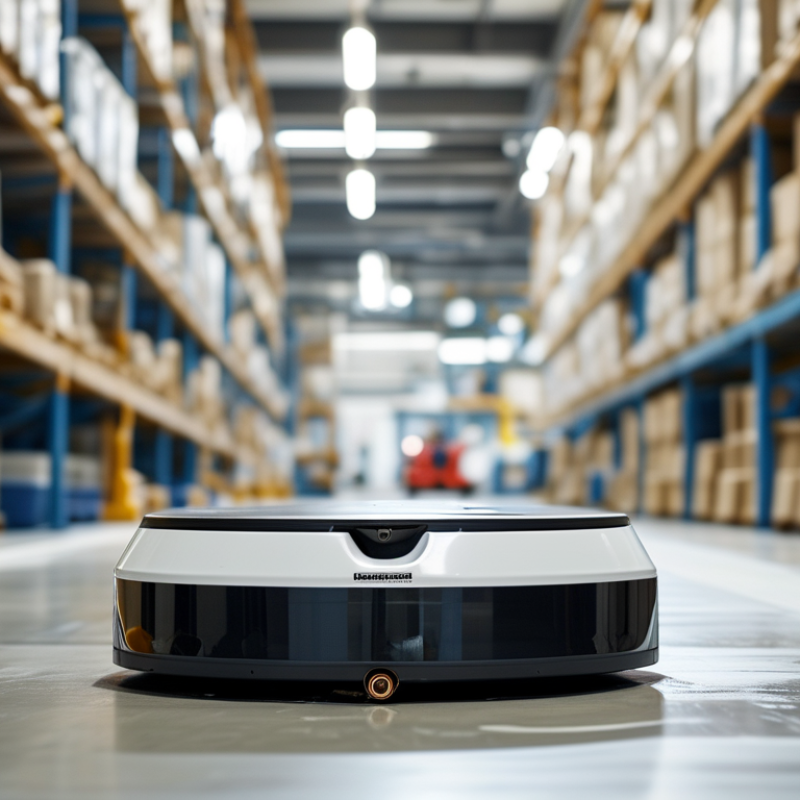
Are Commercial Cleaning Robots Profitable for Your Business?

Evaluating the Cost-Effectiveness of Commercial Cleaning Robots

Evaluating the cost-effectiveness of commercial cleaning robots is crucial for businesses considering automation. These machines can perform routine cleaning tasks efficiently, reducing the need for manual labor. However, initial investments can be significant. Companies must consider not only the purchase cost but also maintenance and operational expenses.

For many businesses, the return on investment can take time. While robots can work continuously, they may lack the nuanced touch that human cleaners offer. In some scenarios, robots struggle with complex environments or intricate tasks. It’s essential to evaluate whether the cleaning robot’s capabilities align with your specific cleaning needs. Analyzing the long-term savings versus upfront costs can help in making an informed decision.

Data shows that operating costs can decrease over time as productivity rises. Yet, relying solely on technology may not guarantee a cleaner workspace. Regular human oversight remains critical to address any shortcomings in robotic performance. Thus, a mixed approach of robots and human cleaners could provide the best balance of efficiency and quality.

Cost-Effectiveness of Commercial Cleaning Robots

Understanding the Initial Investment and Ongoing Expenses

The initial investment in commercial cleaning robots can be significant. Many businesses face the daunting cost of purchasing these machines. Reports suggest that a single robot can cost anywhere from $25,000 to $100,000, depending on its features and capabilities. However, the initial purchase price is just the beginning.

Ongoing expenses also play a crucial role. Maintenance costs, including repairs and battery replacements, can add up. Regular software updates may be necessary, which can also incur additional fees. On average, annual maintenance expenses can range from 10% to 15% of the robot's initial cost. Businesses must consider how these costs fit into their overall budget.

Training staff to operate and troubleshoot cleaning robots is another factor. Employees may need time to become proficient, impacting productivity initially. Some experts argue that the effectiveness of these machines can vary greatly. Not all cleaning robots perform at the same level, leading to questions about their long-term profitability. Regular assessment of performance and potential ROI is vital to ensure that the investment remains sound.

Are Commercial Cleaning Robots Profitable for Your Business? - Understanding the Initial Investment and Ongoing Expenses

Cost Type Estimated Cost Description
Initial Purchase $5,000 - $10,000 Cost of purchasing a commercial cleaning robot.
Maintenance $500 - $1,000 annually Regular servicing and repairs to keep the robot operational.
Operational Cost $0.10 - $0.50 per hour Electricity and wear-and-tear during operation.
Labor Savings $10,000 - $20,000 annually Reduction in labor costs due to automation of cleaning tasks.
Training Costs $200 - $500 Costs associated with training staff to use the robots.

Assessing Labor Savings and Productivity Gains from Automation

The adoption of commercial cleaning robots is reshaping how businesses manage their facilities. Recent studies indicate that companies implementing automation see a 30% increase in productivity. Labor savings are significant, with reports suggesting that businesses can cut cleaning costs by up to 50%. That’s a compelling figure for any business looking to optimize operations.

However, not all environments are ideal for these machines. Varied layouts and complex spaces can hinder effectiveness. Regular assessments are needed to adapt strategies, ensuring that the investment pays off. It’s crucial to evaluate the unique needs of your space before fully committing.

Tip: Start by identifying areas where human labor is most inefficient. Focus on these zones to gauge the potential ROI of automation.

Moreover, integrating robots doesn’t remove the need for human oversight. Trained staff are still essential for quality assurance. They can manage tasks that robots cannot handle, like addressing specific cleaning challenges. Striking a balance between automation and human labor is key to maximizing efficiency.

Tip: Consider a phased rollout. Test the robots in a smaller section first. This approach allows for adjustments based on real-world performance.

Analyzing Market Demand for Cleaning Services with Robotic Solutions

The rise of cleaning services equipped with robotic technology reflects a significant shift in market demand. Businesses today seek efficient solutions. They want to lower operational costs while maintaining high cleanliness standards. Robotic cleaners can operate continuously. This allows for reduced labor costs and increased productivity. However, not every business may find this transition seamless.

While the technology offers benefits, there are challenges. Initial investment in robotic systems can be substantial. Additionally, these robots may not handle all cleaning tasks perfectly. For instance, they might struggle in complex environments. Some businesses find that human oversight remains essential. Regular maintenance and software updates are crucial for optimal performance, which adds to operating costs.

Understanding specific needs before investing is essential. Analyze target workflows carefully. Some sectors may have a higher return on investment than others. Observation and adjustments in the working environment may be necessary. Focusing on customer feedback can provide insights into effectiveness. Businesses must remain open to evolving their strategies as technology advances.

Comparing Traditional Cleaning Methods versus Robotic Innovations

When exploring the cleaning industry, businesses face a choice: traditional methods or robotic innovations. Traditional cleaning often relies on human labor, which can be inconsistent. Employees may take longer breaks or miss spots. This inconsistency can frustrate managers and impact client satisfaction.

In contrast, robotic cleaners promise efficiency. They work tirelessly, covering floor space with impressive precision. However, they lack the human touch. They can't address unique cleaning tasks, like dusting delicate surfaces. Moreover, maintenance is essential. Neglecting upkeep can lead to mechanical failures.

Companies must weigh these options fully. A mixed approach might offer the best of both worlds. Utilize robots for routine tasks while keeping humans for specialized jobs. This ensures thorough coverage while maintaining a personal touch. Balancing technology with human effort could refine cleaning operations significantly.

FAQS

: What productivity gains can businesses expect from automation?

: Implementing automation can lead to a 30% increase in productivity for businesses.

How much can cleaning costs be reduced with automation?

Businesses may be able to cut cleaning costs by up to 50% when using automated solutions.

Are all environments suitable for cleaning robots?

No, varied layouts and complex spaces can limit the effectiveness of cleaning robots.

How can businesses assess the potential of automation?

Begin by identifying zones where human labor is least efficient to evaluate potential ROI.

Is human oversight still necessary with robotic cleaning?

Yes, trained staff are essential for quality assurance and handling unique challenges robots can't manage.

What approach is recommended for integrating cleaning robots?

A phased rollout is suggested, testing robots in a smaller area to adjust strategies based on performance.

What are some limitations of robotic cleaners?

Robotic cleaners may struggle with delicate surfaces and require regular maintenance to prevent failures.

Should businesses choose traditional methods over automation?

Companies should consider a mixed approach, using robots for routine tasks while keeping humans for specialized jobs.

What might be a challenge when using traditional cleaning methods?

Employee inconsistency, like taking breaks or missing spots, can lead to client dissatisfaction and operational issues.

How can balance be achieved in cleaning operations?

Balancing technology with human effort could refine overall cleaning efficiency and effectiveness significantly.

Conclusion

The article titled "Are Commercial Cleaning Robots Profitable for Your Business?" explores the financial implications of integrating robotic solutions into cleaning operations. It begins by evaluating the cost-effectiveness of commercial cleaning robots, taking into account initial investments and ongoing expenses that businesses may incur. Understanding these costs is essential for determining the overall profitability of adopting such technology.

Furthermore, the analysis delves into the labor savings and productivity gains that automation can bring to commercial cleaning, comparing traditional methods with robotic innovations. With an increasing market demand for efficient cleaning services, the article highlights the potential benefits and challenges of using robots in this sector. Ultimately, it seeks to answer the critical question: are commercial cleaning robots profitable for your business? By weighing the advantages against the costs, companies can make informed decisions about their cleaning strategies.

Charlotte

Charlotte

Charlotte is a seasoned marketing professional with a deep understanding of the company's portfolio and a passion for elevating its presence in the market. With a keen eye for detail and a commitment to excellence, she ensures that our professional blog is regularly updated with insightful articles......