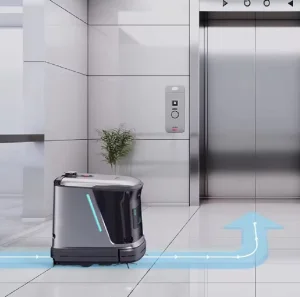
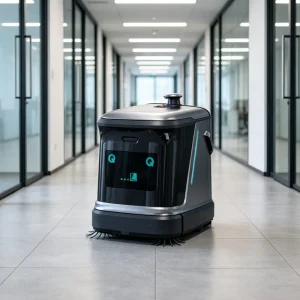
The global Industrial Cleaning Robot market is currently undergoing a seismic shift. As industries worldwide grapple with escalating labor costs, worker shortages, and more stringent hygiene regulations, autonomous mobile robots (AMRs) have transitioned from "novelty technology" to "essential infrastructure." According to industry reports, the commercial cleaning robot sector is projected to grow at a CAGR of over 20% through 2030.
Modern facilities, from sprawling Amazon-style logistics centers to sterile pharmaceutical labs, require a level of consistency that manual labor simply cannot guarantee. The integration of SLAM (Simultaneous Localization and Mapping), 3D LiDAR, and AI-driven computer vision allows today's robots to navigate complex environments with millimeter precision, avoiding dynamic obstacles while ensuring 100% floor coverage.
Guangzhou NovaBot Robot Co., Ltd. stands at the forefront of this technological wave. As a premier industrial cleaning robot manufacturer, NovaBot represents the pinnacle of China's efficiency and innovation in robotics.
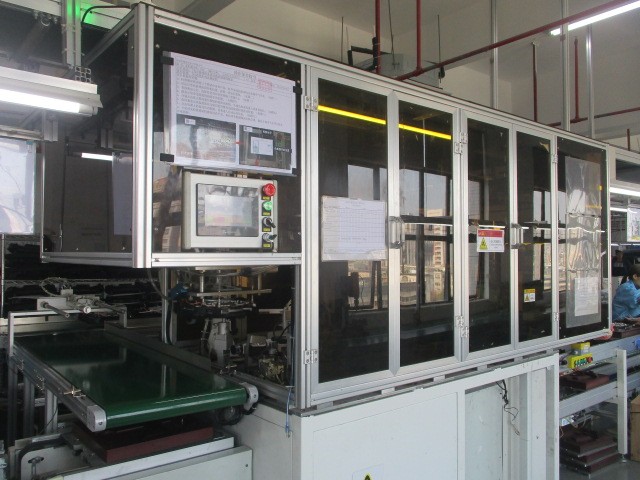
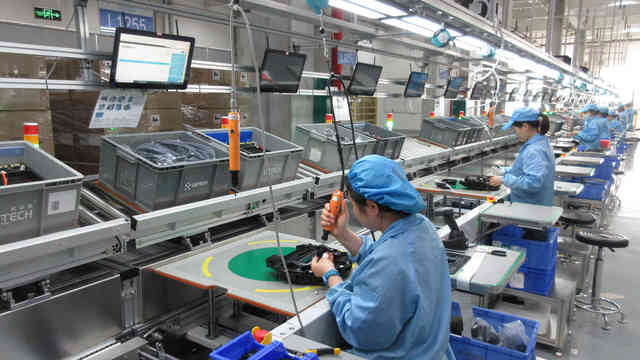
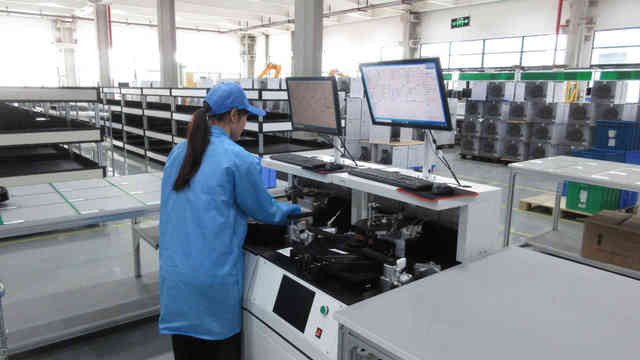
A modern production facility covering over 28,000 square meters with 18 automated assembly lines, capable of producing 1.2 million units annually.
Integrating advanced navigation, LiDAR mapping, and IoT connectivity to provide high-end OEM/ODM services for global partners.
Serving distributors across Europe, North America, and Southeast Asia with strict international quality management standards.
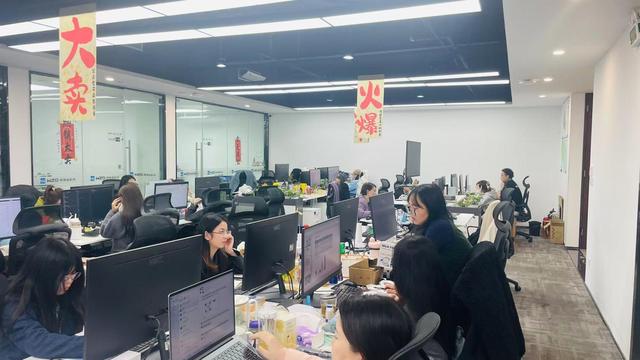
Established in 2014, NovaBot has rapidly grown into a technology-driven enterprise. With more than 320 skilled employees, the company specializes in AI robotic vacuum cleaners, autonomous floor scrubbers, and UV sterilization robots. Their commitment to "Information Gain" in the industry means they don't just sell machines; they provide data-driven sanitation ecosystems that integrate with existing Building Management Systems (BMS).
Tailored robotic solutions for diverse industrial environments
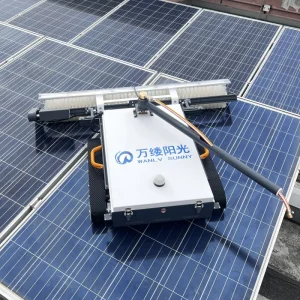
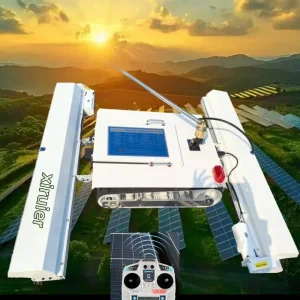
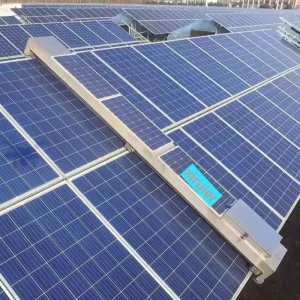
Robotic PV cleaning systems increase energy efficiency by up to 30% by removing dust and bird droppings that cause "hot spots" on panels.
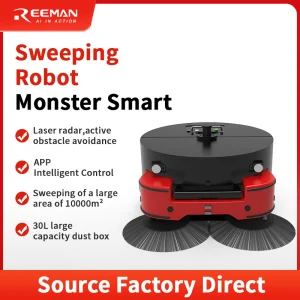
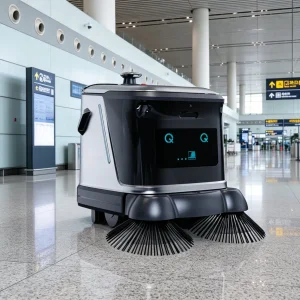
Heavy-duty sweepers with intelligent garbage recognition manage metal shavings, oil spills, and debris in real-time, maintaining safety standards.
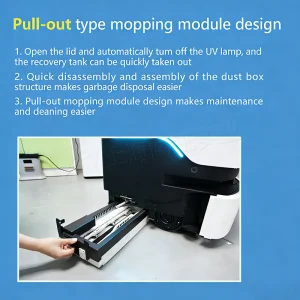
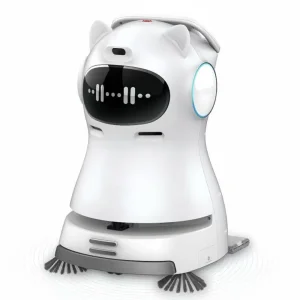
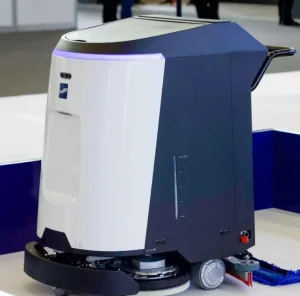
UV-C sterilization robots combined with medical-grade scrubbers ensure pathogen-free environments in hospitals and clinics.
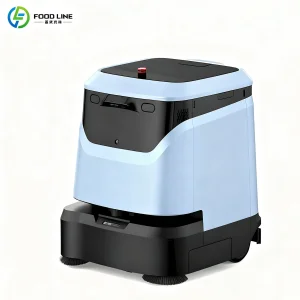
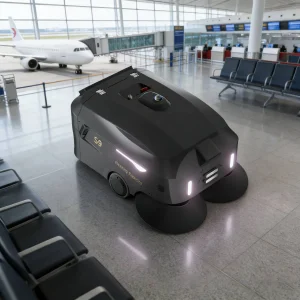
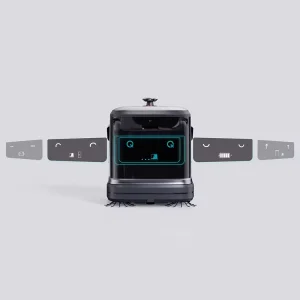
Autonomous sweepers navigate narrow aisles and high-traffic areas, coordinating with AGVs (Automated Guided Vehicles) via cloud-based fleet management.
When sourcing from Industrial Cleaning Robot Suppliers, global enterprises look beyond the price tag. Key procurement metrics now include:
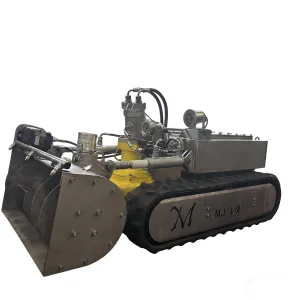
The next frontier in industrial cleaning is Swarm Robotics—where multiple smaller robots work in a coordinated mesh to clean massive areas more efficiently than a single large machine. Additionally, the shift toward 5G Integration will allow for real-time remote "teleoperation" in hazardous environments, such as duct cleaning or chemical tank dredging.
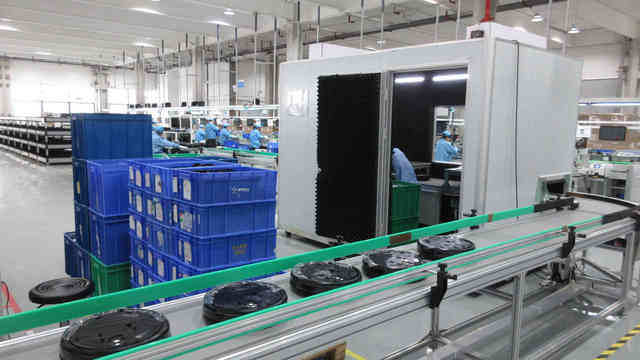
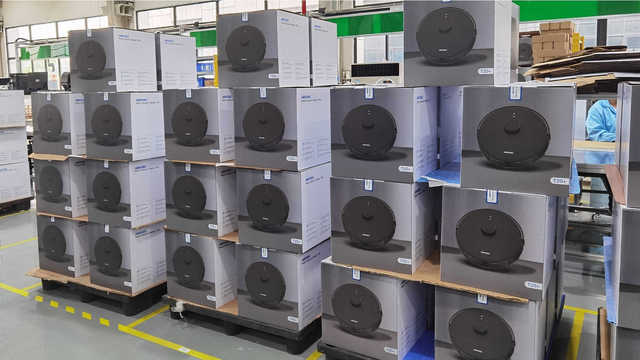
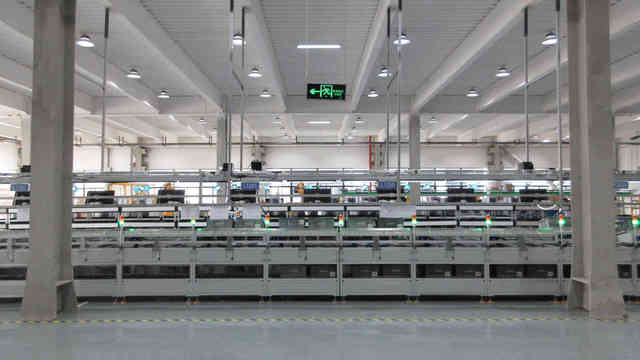
NovaBot’s product portfolio includes robotic vacuum cleaners, smart mop robots, AI-powered floor scrubbers, UV sterilization cleaning robots, commercial autonomous cleaning machines, and customized intelligent sanitation equipment. Driven by continuous innovation and customer-focused development, the company delivers efficient, eco-friendly, and intelligent cleaning solutions while building long-term partnerships with clients worldwide through high-quality products and professional technical support.
 NovaBot Robot