10 Best Tips to Choose a Robotic Floor Cleaner?

Time:2026-08-05 Author:Charlotte
0%

As technology advances, robotic floor cleaners have become essential for modern households. According to a report by Markets and Markets, the robotic vacuum market is projected to reach $5.4 billion by 2025. This growth reflects a rising interest in automation for everyday chores. Many consumers now seek guidance on how to choose a robotic floor cleaner that suits their needs.

Selecting the right model can be overwhelming. Features vary significantly among different brands and models. For example, the effectiveness of navigation technology and suction power can dramatically impact cleaning performance. In a survey, 68% of users reported dissatisfaction with their robotic cleaner's navigation capabilities. Insights like these emphasize the importance of informed choices.

Understanding how to choose a robotic floor cleaner involves more than just brand recognition. It's critical to consider specific cleaning requirements, including floor types and home layout. Neglecting these factors can lead to poor results and frustration. Evaluating each feature thoughtfully can make a significant difference. Robust research is essential for long-term satisfaction with your robotic cleaning solution.
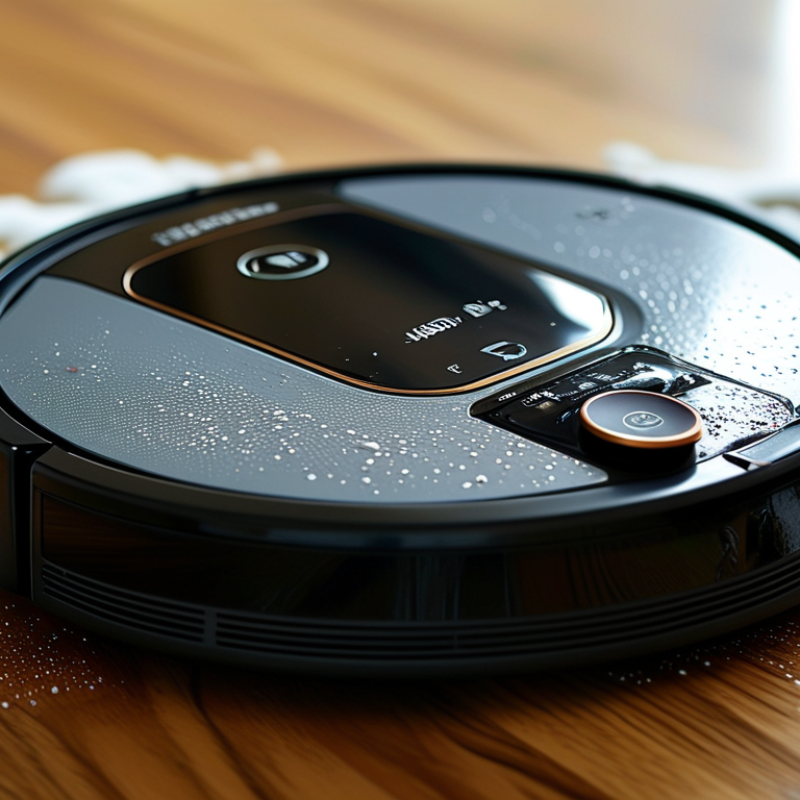
10 Best Tips to Choose a Robotic Floor Cleaner?

Understand Your Floor Type and Cleaning Needs

Understanding your floor type and cleaning needs is crucial when selecting a robotic floor cleaner. The type of flooring you have can greatly affect the performance of the cleaner. For instance, hardwood floors require gentle cleaning to avoid scratches. On the other hand, carpets need a model with strong suction power to effectively remove dirt and hair. Assessing your specific surfaces is a smart first step.

Consider your cleaning requirements. Do you have pets? Pet hair can be a serious challenge. Opt for a cleaner specifically designed to tackle pet dander and hair. Think about the size of your space, too. Larger areas may benefit from advanced navigation systems. Reflect on the dirt levels in your home. A cleaner with customizable settings can be more effective.

Not all robotic cleaners handle messes the same way. Some may struggle on uneven surfaces. Additionally, remember to check battery life and maintenance needs. A cleaner that requires frequent upkeep may not fit your busy lifestyle. It's essential to weigh these factors carefully. This approach will help you choose a cleaner that truly meets your needs.

Evaluate Battery Life and Charging Options

When choosing a robotic floor cleaner, battery life and charging options are critical factors. According to a study by the Consumer Electronics Association, over 60% of users prioritize battery performance. These devices often run on lithium-ion batteries that last between 60 to 120 minutes. Consider how often you will be cleaning. If you have a large area, opt for models with longer run times.

Evaluate the charging method as well. Most robotic cleaners utilize docking stations for automatic charging. Some models return to the base when the battery is low, ensuring they are prepared for the next cleaning. Yet, not all docking stations function well. Some may require manual adjustments. Ensure the placement of the dock is convenient for your space.

Battery replacement is another aspect. Typically, lithium-ion batteries have a lifespan of about two to three years. Users often overlook this when making their choice. Always check if replacement batteries are available and if they are easy to install. A durable battery contributes significantly to the device's longevity.

Compare Navigation Technology and Mapping Features

When selecting a robotic floor cleaner, understanding its navigation technology and mapping features is crucial. These elements significantly impact cleaning efficiency. A recent report indicates that 85% of users prioritize advanced navigation for better performance. Robots equipped with LiDAR technology offer precise mapping. They create detailed floor plans, allowing for optimized cleaning paths. Users often note that such systems reduce the chances of missed spots.

Another essential aspect is real-time obstacle avoidance. Many robotic cleaners use infrared sensors or cameras for this purpose. This technology helps robots detect furniture and pets, preventing collisions. However, some models struggle with complex room layouts. In a survey, 45% of users expressed frustration with cleaners that frequently get stuck. Hence, it’s wise to choose a model praised for effective navigation in varied environments.

When comparing options, consider the robot's ability to learn and adapt. Some devices improve their mapping over time, becoming more efficient. This adaptability is a significant advantage, as cleaning needs may change. Keep in mind that not all robotic cleaners offer these features consistently. Thus, user reviews and feedback are invaluable.

Assess Cleaning Power and Suction Strength

When selecting a robotic floor cleaner, assessing cleaning power and suction strength is crucial. A strong suction capability allows for effective debris removal. Look for models that specify their suction power in Pascal (Pa) or air watts. High ratings indicate better performance on carpets and hard floors. Pay attention to how debris is trapped. Advanced filtration systems can capture allergens and dust.

Testing the cleaning power involves looking beyond numbers. Consider real-world performance through user reviews. Some cleaners may struggle with pet hair or large particles. Look for devices equipped with specific brush designs to combat common household messes. Features like adjustable suction levels can also be useful for various surfaces.

Evaluate battery life concerning suction strength. Powerful motors may drain battery faster. Ensure the cleaner can operate long enough for your home size. Some models may require multiple charges for thorough cleaning. This can be a drawback if you need quick, efficient cleaning. Prioritize options that balance suction power and battery lifespan to fit your lifestyle needs.

Review Maintenance Requirements and Replacement Parts Availability

When selecting a robotic floor cleaner, consider the maintenance requirements carefully. Regular maintenance ensures optimal performance over time. Most models require routine cleaning of brushes and filters. Neglecting these tasks can lead to decreased efficiency. Examine the ease of accessing these components. An inconvenient design may discourage regular upkeep.

Replacement parts availability is another critical factor. Some models have readily available parts, making repairs easy. Others may face longer wait times for sourcing specific components. Researching online communities can yield insights into user experiences with part availability. Feedback can illuminate potential issues with specific models. It’s wise to think about future repairs when making your choice.

Insufficient spare parts can leave you in a bind. Imagine dealing with a malfunctioning cleaner that you can't fix promptly. Gathering information from various sources can help assess this risk. Commitment to a specific model should come after thorough analysis of its long-term support. A great choice today should still provide services down the road.

10 Best Tips to Choose a Robotic Floor Cleaner

FAQS

: What should I consider about battery life for robotic cleaners?

: Look for models with long run times, especially for large areas.

How long do lithium-ion batteries typically last?

They generally last between 60 to 120 minutes per charge.

What is the importance of the docking station?

It ensures automatic charging, but placement should be convenient.

How often do I need to replace the battery?

Lithium-ion batteries usually need replacement every two to three years.

What navigation technology should I look for?

Advanced features like LiDAR provide precise mapping and efficient cleaning paths.

How do models handle obstacles while cleaning?

Many use sensors or cameras for collision avoidance; however, some struggle with complex layouts.

What maintenance tasks are necessary for robotic cleaners?

Regularly clean brushes and filters to maintain performance.

How easy is it to find replacement parts?

Some models have readily available parts; others may take longer to source.

Why should I care about replacement parts availability?

Insufficient spare parts can lead to prolonged repair times when issues arise.

What factors should influence my choice of model?

Consider battery life, navigation efficiency, maintenance needs, and future part availability.

Conclusion

Choosing the right robotic floor cleaner can significantly enhance your cleaning routine, making it important to know how to choose a robotic floor cleaner that best fits your needs. Start by understanding your floor type and specific cleaning requirements, as different models perform better on varying surfaces. Evaluating battery life and charging options will ensure you select a cleaner that can cover your home without frequent interruptions.

Additionally, comparing navigation technology and mapping features is crucial for efficient cleaning, while assessing cleaning power and suction strength will help you determine the effectiveness of the robot on dirt and debris. Lastly, consider the maintenance requirements and availability of replacement parts to ensure a long-lasting investment. With these tips in mind, you can confidently select a robotic floor cleaner that suits your unique situation.

Charlotte

Charlotte

Charlotte is a seasoned marketing professional with a deep understanding of the company's portfolio and a passion for elevating its presence in the market. With a keen eye for detail and a commitment to excellence, she ensures that our professional blog is regularly updated with insightful articles......