How Often Should Your Cleaning Robot Run for Best Results?

Time:2026-06-07 Author:Sienna
0%

When considering how often should a cleaning robot run, it's essential to recognize the factors that affect its efficiency. The frequency of your cleaning robot's operation directly influences the cleanliness of your home. Too little use can lead to dirt buildup, while excessive running may strain the device. Striking the right balance is crucial.

Different households have varying needs. For instance, pet owners may require more frequent cleanings due to shedding. Families with children might face similar challenges. Ultimately, understanding your unique situation can guide how often should a cleaning robot run in your home.

Regular maintenance of your robot is also vital. Over time, the performance may decline without proper care, requiring adjustments in your cleaning schedule. Paying attention to the robot's cleaning performance enables you to make informed choices. Finding that sweet spot will optimize your robot's efficiency and keep your living space fresh.
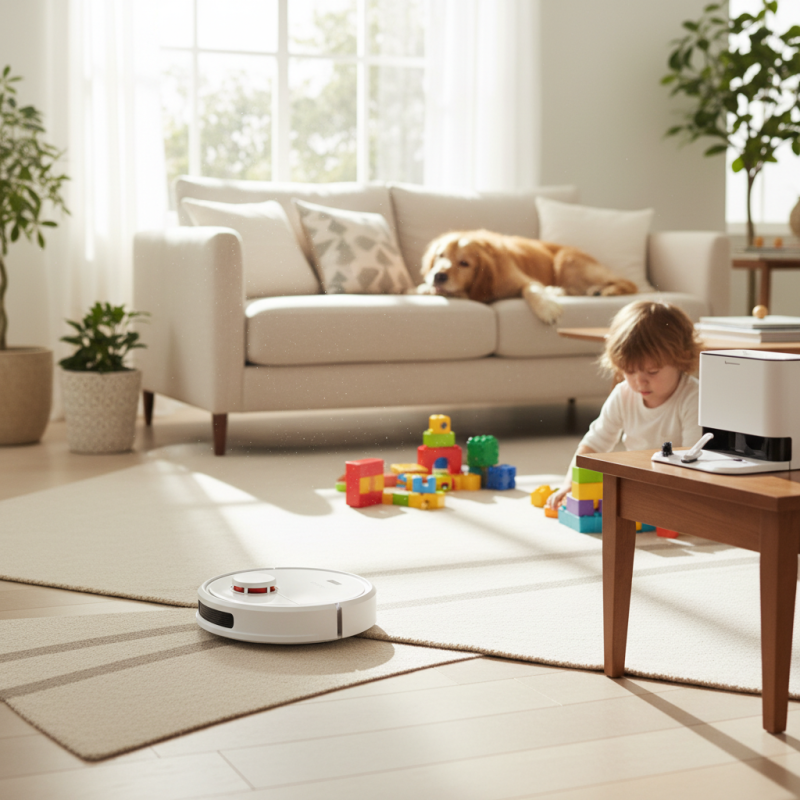
How Often Should Your Cleaning Robot Run for Best Results?

Factors Influencing Cleaning Robot Frequency for Optimal Performance

When considering how often your cleaning robot should run, several factors come into play. The size of your home is a primary consideration. Larger homes may require more frequent cleaning to ensure all areas are dust and dirt-free. Conversely, smaller spaces might need less regular attention.

Another key factor is the type of flooring you have. Carpets tend to trap dust and allergens more than hard surfaces. For homes with pets, daily operation may be beneficial to manage pet hair and dander effectively. The level of foot traffic also matters. High-traffic areas collect debris quickly and may necessitate more frequent cleaning sessions.

**Tips:** Set a schedule based on your lifestyle. If you’re often at home, adjust the cleaning frequency. Empty the dustbin regularly for optimal suction power. Consider scheduling runs during times when you're out of the house to maximize efficiency. Reflect on the need for adjustments as you monitor how clean your home feels and looks after each session.

How Often Should Your Cleaning Robot Run for Best Results?

Recommended Cleaning Frequencies Based on Floor Type and Home Size

Choosing the right cleaning frequency for your robot vacuum can significantly impact your home’s cleanliness. Different floor types and home sizes require tailored schedules. For homes with hardwood or tile floors, running your robot vacuum at least three times a week is effective. These surfaces collect dust and debris quickly. Carpets, however, may need more frequent attention—consider daily runs, especially in high-traffic areas.

Smaller homes can often do with less frequent cleaning. A compact studio apartment might only need a couple of cleanings per week. Conversely, larger homes might seem overwhelming. They often benefit from multiple sessions, even if the rooms are less frequently used. In large spaces, you might find robot vacuums losing track of areas. Regularly emptying the dustbin can improve efficiency.

Pay attention to those pesky corners and under furniture. Sometimes, the robot misses a spot. If you have pets, adjust the frequency. Fur can build up quickly. Reflect on your cleaning habits, and think about whether you truly need that extra run. Adjust as needed, and remember: every home is unique.

Data on Dust and Allergen Accumulation Rates in Residential Spaces

Dust and allergens accumulate quickly in residential spaces. A study by the American Lung Association found that indoor dust levels can increase by 50% in just one week. This is concerning, especially for individuals with allergies or respiratory conditions. The average home collects approximately 40 pounds of dust each year. Regular cleaning is crucial for maintaining a healthy living environment.

Running a cleaning robot frequently helps mitigate dust buildup. The Environmental Protection Agency suggests vacuuming high-traffic areas at least twice a week. Using a robot can make this easier, as it can operate daily or even multiple times a day with minimal effort. A Harvard study indicated that homes with higher cleaning frequencies reported significantly lower allergen levels.

Despite the benefits, some users may question whether daily cleaning is necessary. Overworking a robot may lead to increased wear and tear. Additionally, not all areas of your home need attention every day. It’s essential to adapt your cleaning schedule to your lifestyle and the specific needs of your home. Finding the right balance is crucial for optimal results.

User Satisfaction Trends with Different Cleaning Robot Frequencies

User satisfaction with cleaning robots often varies based on how frequently they run. Many users report higher satisfaction levels when their robots operate daily. A consistent cleaning schedule keeps dirt at bay. In contrast, robots that run weekly may not keep up with accumulation, especially in busy households. Users begin to notice a decline in performance when cleaning frequency decreases.

Tips for improving cleaning robot efficiency include setting a daily schedule. This helps maintain cleanliness and reduces buildup. Consider areas needing extra attention. High-traffic zones often require more frequent cleaning. Scheduling specific runs for these spots can maximize satisfaction.

Another strategy is to monitor the robot's performance. If the clean isn't thorough enough, adjust the frequency. Users also mention the importance of maintaining the robot. Regular maintenance can keep suction power strong. A well-maintained robot performs efficiently over time, keeping your home consistently clean.

How Often Should Your Cleaning Robot Run for Best Results? - User Satisfaction Trends with Different Cleaning Robot Frequencies

Cleaning Frequency User Satisfaction (%) Average Cleaning Time (minutes) Common Issues Reported
Daily 85% 60 Battery Life, Navigation Issues
Every Other Day 78% 45 Dust Accumulation
Twice a Week 70% 30 Uneven Cleaning
Weekly 65% 25 Clogs and Errors
Biweekly 60% 20 Poor Cleaning Performance

Best Practices for Scheduling Cleaning Robots According to Usage Patterns

When scheduling your cleaning robot, consider your household's activity patterns. High foot traffic areas, like the kitchen or living room, may require more frequent cleaning. If you entertain often, daily runs might be necessary. Alternatively, if your home experiences lighter use, a few times a week could suffice. Monitoring how quickly dirt accumulates in each space is crucial.

Another aspect is the time of day. Morning or evening runs can align with your routine. If you leave for work in the morning, set the robot to clean during that time. This method maximizes efficiency. However, you may notice that night runs could also increase pet hair or dust accumulation. Observe and adjust as needed.

Additionally, keep track of the seasons. In autumn, leaves tracked indoors can lead to more dirt. Winter often brings in moisture and mud. Adapting the cleaning frequency based on these changes may yield better results. Regular adjustments may feel tedious, but they ensure your cleaning robot operates at its best. Over time, you will find a schedule that fits your lifestyle and keeps your home clean.

FAQS

: How often should I clean hardwood or tile floors?

: Run your robot vacuum at least three times a week for effective cleaning. These surfaces collect dust quickly.

Do carpets require more frequent cleaning?

Yes, consider daily cleaning for carpets, especially in high-traffic areas. They accumulate dirt rapidly.

How does home size affect cleaning frequency?

Smaller homes can manage with fewer cleanings. Larger homes may need multiple sessions to stay clean.

What should I do if my robot misses corners?

Pay attention to corners and under furniture. Regular checks may improve coverage and spot cleaning.

How do pets impact cleaning schedules?

Pets cause fur buildup. Adjust your cleaning frequency to keep up with their shedding.

Is daily cleaning really necessary for everyone?

Not necessarily. Consider the wear on the robot and assess the specific needs of your home.

What factors should I consider when scheduling my robot?

Monitor foot traffic patterns and adjust for busy areas. Cleaning during your absence may also maximize efficiency.

Does the season affect cleaning frequency?

Yes, seasons change what dirt enters your home. Adjust cleaning based on autumn leaves or winter mud.

How can I improve my robot’s efficiency?

Regularly empty the dustbin and monitor dirt accumulation. Adjust schedules based on observed patterns.

Should I stick rigidly to a cleaning schedule?

Maintaining flexibility is key. Reassess and adjust your cleaning habits to fit your unique lifestyle and needs.

Conclusion

Determining how often should a cleaning robot run is essential for maintaining a clean and healthy living environment. Several factors influence the optimal frequency of cleaning, including the type of flooring in your home, the size of your living space, and the accumulation rates of dust and allergens. For instance, homes with pets or high foot traffic may require more frequent cleaning compared to those with minimal activity.

Research indicates that user satisfaction tends to increase with a tailored cleaning schedule that takes into account lifestyle and usage patterns. It's recommended to establish a routine based on these factors, such as daily cleaning for smaller spaces or less busy areas, while larger homes may benefit from bi-weekly or weekly cleaning sessions. By aligning the cleaning robot’s schedule with the specific needs of your household, you can achieve optimal performance and a more hygienic living environment.

Sienna

Sienna

Sienna is a skilled marketing professional with a deep expertise in our company’s core products and services. With a passion for innovation and detail, she plays a pivotal role in crafting insightful blog posts that not only highlight the unique features of our offerings but also provide valuable......