In recent years, the logistics and warehousing industry has witnessed a significant transformation. The integration of advanced cleaning robots has sparked interest in their efficacy in large warehouses. According to a report by MarketsandMarkets, the warehouse automation market is projected to reach $30 billion by 2026, indicating a growing reliance on technology. This raises the crucial question: can cleaning robots work in large warehouses?
Expert Dr. Emily Chen, a leading researcher in robotics, suggests that these machines can tackle vast spaces efficiently. She states, "When programmed correctly, cleaning robots can bring remarkable operational productivity to large facilities." However, potential challenges remain. The complexity of warehouse layouts and the need for real-time navigation can complicate their deployment. While many larger warehouses consider adopting these solutions, effective implementation requires careful planning and ongoing assessment of the robots' performance.
Moreover, the effectiveness of cleaning robots hinges on their adaptability and the specific demands of the environment. Understanding the unique needs of each warehouse is essential. As this technology evolves, analytics should play a vital role in optimizing operations. Thus, while the potential is promising, a thoughtful approach is necessary to ensure that cleaning robots can indeed function optimally in large warehouses.
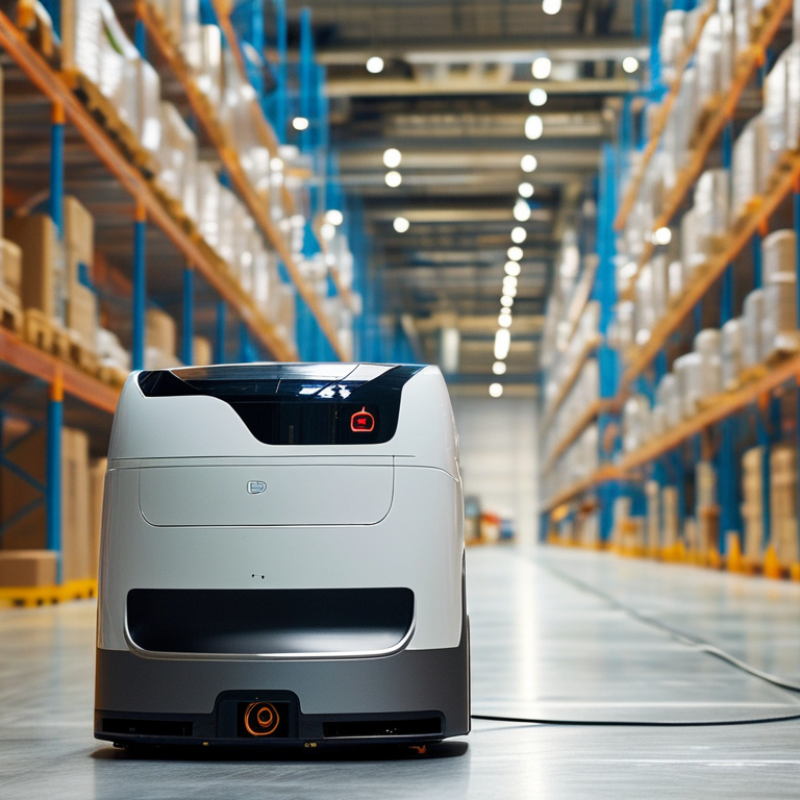
Cleaning robots are becoming increasingly popular in large warehouse environments. Their compact design allows them to navigate tight spaces easily. They can cover vast areas efficiently, often completing tasks faster than human workers. These robots can reduce labor costs significantly while maintaining cleanliness. However, they do face distinct challenges.
One major challenge is the uneven surfaces and clutter that often exist in warehouses. While cleaning robots can adapt to some obstacles, they sometimes struggle. Dust and dirt accumulation in hard-to-reach areas may also go unnoticed. Regular maintenance and oversight are necessary to ensure they operate at peak efficiency.
Moreover, the effectiveness of these robots largely depends on the type of floor surfaces. In many cases, sensors can enable the robots to detect changes in terrain. Yet, they may still miss areas that require extra attention. Human intervention may still be needed to reach corners and areas with larger debris. Balancing automation with manual cleaning processes is essential for achieving optimal results.
Large warehouses present unique cleaning challenges due to their expansive spaces and varied environments. Industry reports show that warehouse sizes can exceed 1 million square feet, making traditional cleaning methods inefficient. These vast areas often have different flooring types and high-traffic zones, which accumulate dirt and debris rapidly. This complexity requires cleaning solutions that can adapt to different surfaces and maintain optimal hygiene levels.
One major challenge is the presence of obstacles, such as racks and heavy equipment. Automated cleaning robots need to navigate around these while ensuring thorough cleaning. Reports indicate that up to 30% of cleaning challenges stem from navigating around these obstacles effectively. A strategy involving regular mapping of warehouse layouts can enhance robot performance and efficiency.
Tips: Regularly evaluate the cleaning frequency to match the foot traffic and dirt accumulation. Consider combining manual and robotic cleaning for better results. Invest time in training staff to work alongside robots for seamless operations.
Cleaning robots in large warehouses have gained attention as a viable alternative to traditional cleaning methods. According to a recent industry report, automated cleaning solutions can improve efficiency by up to 30%. These robots can navigate complex environments, handling tasks like floor sweeping and mopping autonomously. Their ability to work continuously allows for consistent cleanliness without the labor costs associated with human cleaners.
However, traditional methods still hold their ground. A study revealed that human employees can perform deep cleaning tasks more effectively. This includes hard-to-reach areas and detailed sanitation processes. Cleaning robots may miss certain spots due to navigation limitations. They require an upfront investment, which might not fit every warehouse budget.
Tips: To maximize the effectiveness of cleaning robots, schedule regular maintenance checks. This ensures the robots operate at peak performance. Consider a hybrid approach, using robots for routine tasks and human cleaners for thorough deep cleaning. This can combine the best of both worlds, ensuring a clean and safe working environment.
In recent years, the adoption of cleaning robots in warehouses has gained significant traction. Industry studies indicate that around 35% of large warehouses have integrated robotic cleaning solutions. This statistic reflects a growing trend towards automation, suggesting that businesses are increasingly recognizing the efficiency that robots can bring to their operations.
However, while these robots excel in routine tasks, challenges remain. For example, 22% of facilities reported difficulties in managing the complex layouts of large warehouses. Robots often struggle with obstacles or navigate narrow aisles. The need for precise programming and continuous updates highlights a gap. Dependence on technology can sometimes lead to unexpected downtime, which may impact overall productivity.
Moreover, the initial investment for these systems can be considerable. Many facilities weigh the costs against potential savings in labor and increased operational efficiency. Yet, a survey found that only 40% of companies felt confident about the return on investment. Businesses must carefully assess their unique scenarios to determine whether robotic cleaning solutions will meet their needs effectively.
Cleaning robots are reshaping warehouse operations by leveraging advanced technologies. Innovations in navigation systems enable these robots to move through vast spaces with ease. They can avoid obstacles, navigate complex layouts, and adapt to changing environments. This agility reduces the need for human intervention and ensures a more efficient cleaning process.
AI algorithms play a crucial role in optimizing cleaning schedules. These systems analyze real-time data to determine peak operational hours. They can adjust cleaning tasks accordingly, ensuring minimal disruption to daily activities. However, despite these advancements, some cleaning robots struggle with heavy-duty messes. Their performance can falter in areas where spills are frequent or debris is heavy.
Sensors and mapping technologies enhance robot effectiveness in large warehouses. However, there are limitations. Robots can sometimes misinterpret their surroundings or fail to recognize certain types of dirt. Regular updates and maintenance are essential to maintain their efficiency. Despite their promise, ongoing refinement is necessary to tackle the challenges posed by diverse warehouse environments.
: Cleaning large warehouses is difficult due to diverse sizes, flooring types, and heavy foot traffic.
Obstacles like racks can create 30% of cleaning challenges, complicating navigation for cleaning robots.
About 35% of large warehouses now use robotic cleaning solutions, according to recent industry studies.
Many robots struggle with complex layouts and narrow aisles, making cleaning less effective.
Combining manual and robotic cleaning can enhance results. Staff training is also essential for seamless operations.
The initial investment for cleaning robots is significant, and only 40% of companies are confident in their ROI.
Advanced navigation systems and AI algorithms help robots adapt and optimize cleaning schedules based on real-time data.
Many cleaning robots struggle with heavy spills and debris, impacting their overall performance.
Regular updates and maintenance are crucial. Robots may misinterpret their environment without proper care.
Ongoing refinements are required to address challenges posed by diverse warehouse environments and heavy messes.
The article "Can Cleaning Robots Effectively Work in Large Warehouses?" explores the capabilities of cleaning robots in expansive warehouse environments. It emphasizes the unique challenges posed by large spaces, including varied floor types and high traffic levels that complicate traditional cleaning methods. A comparative analysis showcases the advantages of robotic solutions over conventional cleaning approaches, highlighting efficiency, consistency, and reduced labor costs.
Furthermore, industry statistics indicate a growing acceptance of robotic technology in warehouse cleaning operations, reflecting a shift towards automation. The piece also discusses technological advancements that are enhancing robot performance in vast areas, such as improved navigation and obstacle avoidance systems. Overall, it presents a compelling case for the question, can cleaning robots work in large warehouses, affirming that they can indeed meet the demands of such settings effectively.

NovaBot Robot