A cleaning robot is more than a small machine moving across your floor. It uses sensors, brushes, wheels, and software to collect dust, crumbs, and pet hair. Some models vacuum, while others mop hard surfaces with water or cleaning solution. Advanced devices can map rooms, avoid furniture, and return to their charging stations without help.
In real homes, these robots are most useful for daily maintenance. A robot may remove yesterday’s crumbs before breakfast or collect hair near a sofa. However, it will not replace every cleaning task. Stairs, corners, cables, thick rugs, and dried stains can still cause problems. Some devices also need regular brush cleaning, filter replacement, and a clear floor.
So, are cleaning robots worth buying? The answer depends on your home, schedule, budget, and expectations. Independent testing and manufacturer specifications can reveal useful details, but neither tells the whole story. A robot that performs well on tile may struggle on high-pile carpet. A quiet model may clean more slowly. A cheaper device may require more hands-on care.
There is no perfect choice.
This guide examines how cleaning robots work, what features matter, and where their promises fall short. It also considers long-term costs, maintenance, noise, privacy, and cleaning performance. The goal is not to promote the newest model. It is to help readers make a practical decision based on real household needs, not impressive advertisements.
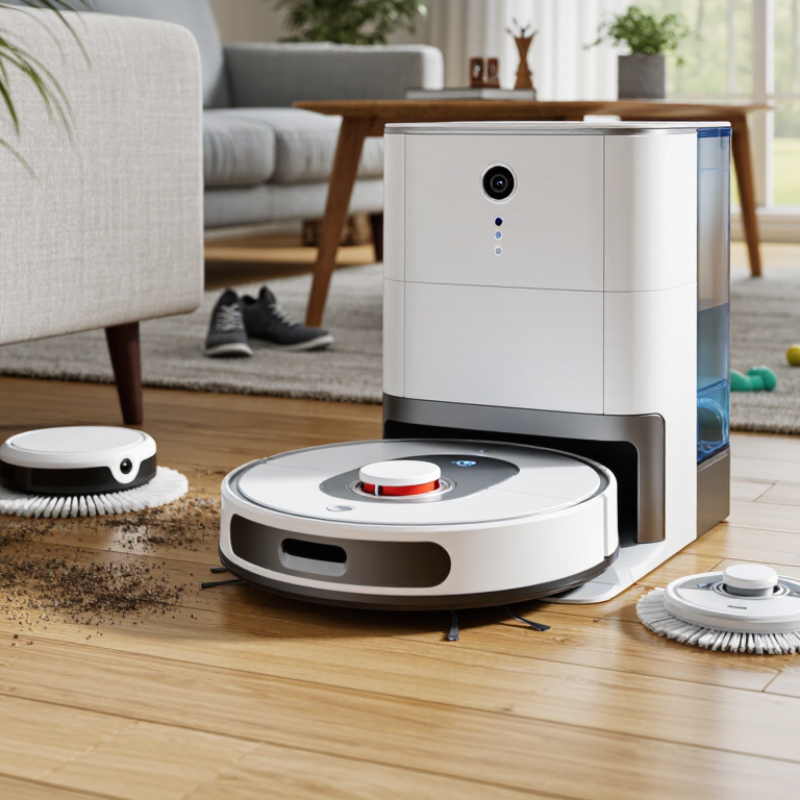
A cleaning robot is an autonomous household device that performs routine floor care with limited human control. Most models use sensors, wheels, brushes, and a small motorized vacuum system. Some also wipe hard floors with a damp pad. They scan rooms, detect furniture, and adjust their routes around table legs or dropped socks. The machine usually returns to its charging station when its battery runs low.
In daily use, a cleaning robot can collect dust, crumbs, pet hair, and fine grit from smooth floors. It saves time, especially in homes with open layouts or frequent foot traffic. However, it is not a complete replacement for manual cleaning. Thick rugs, stairs, tangled cables, and sticky spills can reduce its performance. I have found that a robot may clean the center of a room well while missing corners. That limitation is easy to overlook. It also needs regular brush cleaning and an empty dust container.
Tips: Remove loose cords and small toys before starting. Keep the floor mostly clear. Check the brushes every few days, especially if you have pets. Use only the cleaning solution recommended in the instruction manual. A simple test helps: run the robot over one dusty area and inspect the result afterward. Efficiency depends heavily on room layout, floor type, and maintenance habits.
| Robot Type | Main Cleaning Task | Typical Operating Time | Best-Suited Surfaces or Areas | Key Features | Common Limitations | Overall Value |
|---|---|---|---|---|---|---|
| Robot Vacuum | Collects dust, crumbs, hair, and other loose debris. | Approximately 60–180 minutes per charge, depending on power and floor conditions. | Hard floors, low-pile carpets, and open residential areas. | Automatic scheduling, obstacle detection, mapping, edge cleaning, and automatic return to the charging dock. | May struggle with stairs, thick rugs, cables, clutter, and deep corners; does not replace detailed manual cleaning. | High for regular daily maintenance. |
| Robot Vacuum and Mop | Vacuums loose dirt and performs light wet mopping. | Approximately 60–180 minutes per charge; mopping time varies with water capacity. | Sealed hard floors such as tile, vinyl, laminate, and finished wood. | Combined cleaning modes, scheduled routines, adjustable water flow, and room-based cleaning on mapping models. | Usually unsuitable for unsealed floors and heavy stains; mop pads and water tanks require frequent cleaning. | High when hard floors dominate the home. |
| Window-Cleaning Robot | Wipes dirt and marks from large vertical glass surfaces. | Often about 20–60 minutes per session, depending on window size and battery design. | Large, smooth windows and other compatible flat glass surfaces. | Adhesion system, safety tether, edge detection, and automated movement patterns. | Requires suitable glass, careful setup, supervision, and manual finishing around frames and corners. | Moderate for homes with many large windows. |
| Pool-Cleaning Robot | Removes leaves, dirt, and fine debris from pool surfaces. | Commonly about 1–3 hours per cleaning cycle. | Pool floors, and in some models, walls and waterlines. | Independent filtration, programmed cycles, brushes, and automatic movement. | Cannot correct water chemistry; filters need rinsing, and performance depends on pool shape and surface. | High for frequently used pools. |
| Lawn-Mowing Robot | Maintains grass by cutting small amounts frequently. | Often operates for several hours across scheduled cycles before recharging. | Defined lawns with manageable slopes and clearly marked boundaries. | Scheduled mowing, boundary detection, rain sensors on some models, and automatic charging. | Not designed for tall grass, dense weeds, steep terrain, toys, branches, or complex garden layouts. | High for regular lawn maintenance. |
| Commercial Floor-Scrubbing Robot | Scrubs, washes, and dries large hard-floor areas. | Typically designed for extended work cycles with scheduled charging or operator support. | Warehouses, hospitals, airports, stores, and other large smooth-floor facilities. | Large water tanks, route planning, sensors, autonomous navigation, and reporting functions. | High purchase and maintenance costs; requires suitable layouts, safety procedures, and trained oversight. | High for large facilities; limited value for most homes. |
It maps rooms, collects dust, and sometimes wipes hard floors with a damp pad.
Sensors detect walls, furniture, stairs, and loose objects.
Better systems may recognize cables, socks, pet bowls, and narrow chair legs.
It may miss tight corners, chair legs, or areas blocked by clutter.
A damp pad can remove footprints and light surface marks.
The robot can return to its dock and recharge.
Empty the dust bin, wash filters, remove hair, and inspect the brush regularly.
Their value depends on your floors, clutter, room size, and cleaning expectations.
Check mapping, obstacle detection, battery life, washable filters, and brush design.
Cleaning robots are automated household devices designed to reduce the time and effort required for routine chores. They use sensors, mapping systems, brushes, suction, water tanks, or mopping pads to navigate living spaces and complete tasks with limited supervision. The main types include robotic vacuum cleaners, floor-mopping robots, window-cleaning devices, and specialized machines for outdoor or pool maintenance. Although their designs and abilities vary, most are built to detect obstacles, follow cleaning routes, and return to a charging station when necessary.
Before buying, consider cleaning performance, battery life, navigation accuracy, noise level, maintenance requirements, dustbin or water capacity, floor compatibility, and the ease of controlling the device. Smart scheduling and app features can be convenient, but they may not be essential for every household. Are cleaning robots worth buying? They can be a worthwhile investment for busy people, pet owners, or anyone who wants more consistent everyday cleaning. However, they work best as a supplement to occasional deep cleaning rather than a complete replacement for manual effort.

 NovaBot Robot