As homes increasingly embrace technology, robotic cleaners have become a popular choice among pet owners. However, a crucial question arises: are robotic cleaners safe for pets? According to a report by the American Pet Products Association, approximately 67% of U.S. households own a pet, making safety considerations paramount. The potential hazards posed by these devices warrant careful examination, especially as many pets are curious and prone to investigating appliances.
Robotic cleaners can present risks, such as entanglement in cables or ingestion of small parts. Moreover, a study from the National Institute of Health highlights concerns regarding chemical residues left on surfaces after cleaning. It’s essential to assess whether these products are designed with pet safety in mind. While many manufacturers tout pet-friendly features, the reality often includes limitations that require scrutiny.
To ensure the safety of our furry companions, informed decisions about the use and maintenance of robotic cleaners are necessary. Understanding their functionality, potential risks, and benefits allows pet owners to navigate this technology wisely. Awareness and active involvement in monitoring these devices can contribute significantly to a safer environment for pets.
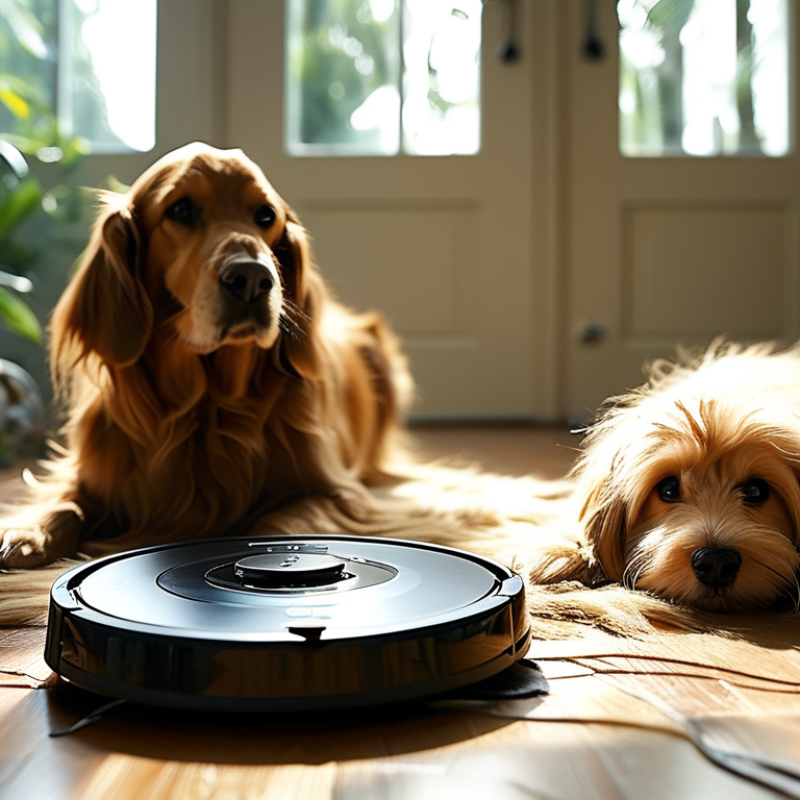
Robotic cleaners have gained popularity as time-saving devices for households. However, their impact on pet safety and well-being is significant. Many pets are curious and may approach these machines. The sudden movements and noises can startle them, leading to anxiety or stress. It is crucial for pet owners to monitor their pets’ reactions when these robots are in action.
For a safer environment, pet owners should create designated areas where pets can retreat. This separation helps mitigate potential accidents. Moreover, robotic cleaners often have sensors to avoid obstacles. Yet, they are not infallible. Some pets may still be inadvertently nudged or bumped. Regularly checking the cleaning schedule can help prevent encounters with pets.
Another aspect to consider is the cleaning solution used. Some products may pose health risks to pets. Carefully selecting pet-friendly cleaning solutions can reduce the risk of contamination. It’s essential to get to know the specific needs of your pets. A proactive approach ensures that robotic cleaners contribute positively to a household, prioritizing the safety and comfort of furry members.
| Dimension | Description | Impact on Pets |
|---|---|---|
| Noise Level | The volume of sound produced while operating | High noise may stress pets; low noise is usually safer |
| Design | Shape and size of the robotic cleaner | Rounded edges and compact size reduce injury risks |
| Battery Type | Type of battery used in the robotic cleaner | Non-toxic battery types are safer for pets |
| Sensors | Presence of obstacle and pet detection sensors | Good sensors prevent collisions with pets |
| Tangle-Free Features | Design to avoid tangling in pet hair or leash | Reduces risk of choking or other injuries |
| Weight | The overall weight of the robotic cleaner | Lightweight models are less likely to cause injury |
| Maintenance Features | Ease of cleaning and maintaining the robotic cleaner | Regular maintenance minimizes malfunction risks |
: Assess the materials used in the cleaner. Look for non-toxic and durable options.
Common materials include plastics, rubber, and metals. Not all are safe for pets.
Regular checks help identify wear and tear. Damaged parts may expose harmful materials.
Yes, pets may bump into or chase the cleaner, risking injury in the process.
Use barriers or gates to set designated areas for the cleaner to operate safely.
Many cleaners have sensors to stop the device, but they are not foolproof.
Monitor your pet closely and keep the cleaner in a space that's off-limits.
Opt for high-quality materials and observe how it withstands your pet's habits.
It’s better to supervise its operation, especially in homes with curious pets.
Ensure the cleaner is resilient and regularly check it for signs of damage.
When considering whether robotic cleaners are safe for pets, it is essential to evaluate their design features and safety standards tailored for pet-friendly environments. The impact of these devices on pet safety and well-being is significant; therefore, understanding their construction helps in selecting models that prioritize safety. Look for cleaners that incorporate features like rounded edges and smart navigation to avoid accidents.
Moreover, assessing the materials used in robotic cleaners plays a vital role in ensuring they are safe for pets. Non-toxic and durable materials can mitigate risks associated with chewing or contact. Lastly, actively monitoring robotic cleaners during their use around pets is crucial for immediate intervention should any issues arise. By following these guidelines, pet owners can confidently determine the safety of robotic cleaners in their households.

 NovaBot Robot