10 Essential Tips to Improve Robot Vacuum Performance

Time:2026-07-06 Author:Amelia
0%

In today's fast-paced world, understanding how to improve robot vacuum performance is essential for maintaining a clean home. According to Dr. Emily Rogers, a leading expert in robotic technology, "Optimizing your robot vacuum can dramatically enhance its efficiency and lifespan." Her insights highlight the need for simple yet effective strategies to maximize vacuum efficacy.

Many users often overlook the importance of regular maintenance and thoughtful setup. For instance, keeping sensors clean and eliminating obstacles can lead to notable improvements. Furthermore, this involves more than just routine cleaning; it's about strategic planning in your home layout.

Various factors contribute to the overall performance of a robot vacuum. Battery life, brush type, and even software updates can influence results. Users may find themselves frustrated when a vacuum stalls or misses spots, leading to a need for reflection on their cleaning habits. By embracing expert advice and adapting behaviors, robotic vacuums can perform at their best, ensuring a fresher living environment.
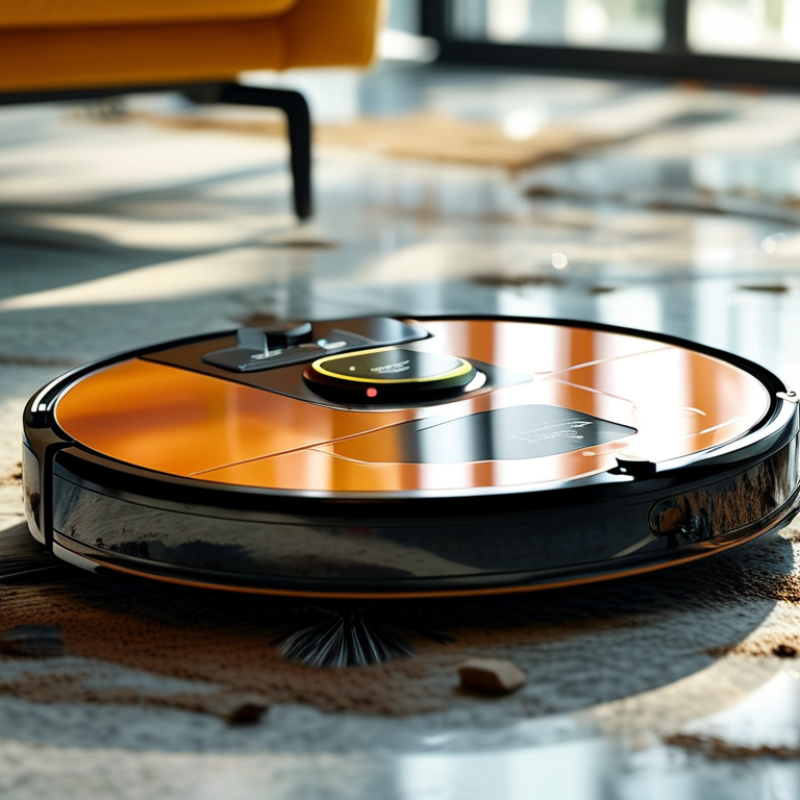
10 Essential Tips to Improve Robot Vacuum Performance

Understanding the Key Features of Robot Vacuums for Optimal Performance

When considering robot vacuums, understanding their key features is vital for optimizing performance. Look for models that offer strong suction power. This feature enables them to pick up debris from carpets and hard floors effectively. The brush design also plays a crucial role. Tangle-free brushes can reduce maintenance and maximize cleaning efficiency.

Navigation technology is another essential aspect. Many robot vacuums use advanced sensors to map your home. This allows them to clean systematically instead of randomly. However, some models struggle with complex layouts. This can lead to missed spots or repeated areas. Regularly updating the device's software may help improve navigation over time.

Battery life is important too. A vacuum that runs out of power halfway through cleaning is frustrating. Check the runtime, particularly for larger homes. Some devices offer quick-charge options, enhancing convenience. Filtering systems can also impact performance; high-efficiency filters trap allergens effectively. Remember, no robot vacuum is perfect. Each model has its strengths and weaknesses, so it's crucial to evaluate your specific needs.

Importance of Maintenance: How Regular Cleaning Affects Efficiency

Regular maintenance is crucial for maximizing the efficiency of robot vacuums. When dust and debris accumulate in the dustbin, the suction power diminishes. Filters can get clogged, leading to reduced airflow. It’s essential to check these components weekly. By keeping them clean, users can significantly enhance performance. A vacuum that operates at peak capacity not only cleans better but also lasts longer.

Replacing brushes and filters is another key aspect of maintenance. Worn-out brushes can’t pick up dirt effectively. This neglect can lead to disappointing cleaning results. Users should examine these parts monthly. When brushes are tangled with hair or debris, it's a clear sign that they need attention. Over time, failing to maintain these components can result in a loss of efficiency.

Consider the floor surfaces in your home. Different materials may require different maintenance routines. A tile floor may need more frequent cleanings compared to carpet. Adjusting your vacuuming schedule based on these factors can lead to better performance. By focusing on these details, you help your robot vacuum work efficiently. It’s a simple yet impactful way to improve overall performance.

10 Essential Tips to Improve Robot Vacuum Performance - Importance of Maintenance: How Regular Cleaning Affects Efficiency

Tip Number Maintenance Tip Impact on Performance Recommended Frequency
1 Clean the Dustbin Prevents clogs, reduces strain on motor After every use
2 Check and Replace Filters Improves suction power, reduces allergens Every 1-2 months
3 Inspect the Brushes Enhances cleaning ability, prevents tangles Every 1-2 weeks
4 Check the Wheel and Caster Ensures proper navigation, prevents stuck issues Monthly
5 Wipe Down Sensors Improves obstacle detection and navigation Every few weeks
6 Update Software/Firmware Enhances performance and adds features As available
7 Clean Charging Contacts Ensures optimal charging, prolongs battery life Monthly
8 Remove Debris from Around Dock Ensures efficient docking and charging Every few weeks
9 Vacuum the Area to be Cleaned Reduces strain on the robot, enhances efficiency Before each use
10 Store in a Dust-Free Environment Prevents dust buildup, prolongs lifespan Always

Utilizing Smart Technology to Enhance Navigation and Cleaning Paths

Smart technology has transformed home cleaning, particularly with robot vacuums. These devices now include advanced navigation systems. Many models utilize sensors and mapping technology to create effective cleaning paths. According to a recent report from the International Home Robotics Institute, homes equipped with smart vacuums see a 30% increase in cleaning efficiency compared to traditional methods.

However, smart navigation isn’t perfect. Some models still struggle with complex layouts. Obstacles like furniture or small pet toys can hinder their performance. A survey showed that 25% of users experienced navigation issues. Regular software updates help improve these systems, but they are not foolproof. Homeowners should consider the layout and obstacles in their homes before selecting a robot vacuum.

Incorporating real-time data from smart home systems can enhance robot performance. Integrating with apps allows users to set specific cleaning schedules. Users can monitor cleaning paths, adjust settings, and receive updates. This connection not only improves efficiency but also creates a more tailored experience. Despite technological advances, the need for manual oversight still exists. Users report mixed feelings about complete automation in cleaning. Balancing technology with personal input is essential for optimal results.

The Impact of Floor Types on Robot Vacuum Performance Metrics

The type of flooring in a home significantly impacts the performance of robot vacuums. Hard surfaces like tiles or hardwood enable smooth navigation and efficient debris pickup. Robots operate more effectively on these materials due to minimal resistance and clear paths. In contrast, carpets present different challenges. Their fibers can trap dirt, making it harder for the vacuum to clean thoroughly.

Robot vacuums may struggle on high-pile carpets. They can get stuck or fail to extract deeply embedded dirt. Homeowners should consider this when choosing a vacuum for carpeted homes. Knowing how each flooring type interacts with the robot’s capabilities is crucial.

Obstacles like furniture also complicate vacuum performance. A clean floor allows robots to move freely. Clutter leads to inefficiency and missed spots. Regularly maintaining floor conditions can enhance vacuum performance. Maximizing the potential of your robot requires understanding these nuances.

Impact of Floor Types on Robot Vacuum Performance

Energy Efficiency: Maximizing Battery Life and Cleaning Time in Vacuums

When it comes to robot vacuums, energy efficiency is crucial. Maximizing battery life while ensuring effective cleaning is a balancing act. One tip is to keep your vacuum's brushes and filters clean. Dirt buildup can reduce efficiency. Regular maintenance ensures your vacuum performs at its best without wasting power.

Another important aspect is scheduling cleaning times. Running the vacuum during off-peak hours can extend battery life. Additionally, avoid letting your vacuum clean areas with excessive clutter. This not only saves battery but also enhances cleaning efficiency. Empty the dustbin regularly; a full dustbin can drain battery quickly.

Lastly, consider the type of flooring. Thick carpets often require more energy. If your vacuum struggles in such areas, recognize it may need a break. Overworking the vacuum can shorten its lifespan. Being mindful of these details can significantly improve the overall performance of your robot vacuum.

FAQS

: How often should I clean the dustbin of my robot vacuum?

: It’s best to check and clean the dustbin weekly. A clean dustbin ensures optimal suction power.

What happens if I don’t replace the brushes?

Worn-out brushes won’t pick up dirt effectively. This neglect leads to poor cleaning results over time.

How can I improve my vacuum's performance on different floor types?

Adjust your vacuuming schedule based on floor surfaces. Tile may need more frequent cleaning than carpet.

What issues can smart navigation have?

Some models struggle with complex layouts. Obstacles like furniture can hinder performance and navigation.

How can I extend my vacuum's battery life?

Schedule cleaning during off-peak hours and avoid cluttered areas. A clean dustbin also helps conserve power.

Are software updates essential for robot vacuums?

Yes, regular software updates improve navigation. However, they aren’t a complete solution for all issues.

Can I rely on automation for cleaning?

Total automation has mixed reviews. Users often feel manual oversight is still necessary for the best results.

What signs indicate the vacuum needs maintenance?

Tangled brushes and reduced suction power are clear signs. Regular checks prevent performance loss and frustration.

How does smart technology increase cleaning efficiency?

Smart vacuums can create effective paths with sensors, improving cleaning by around 30% compared to traditional methods.

Why is energy efficiency important for robot vacuums?

Efficient use of energy ensures longer battery life and better cleaning. Overworking the vacuum can shorten its lifespan.

Conclusion

To effectively enhance your cleaning routine, it’s essential to understand how to improve robot vacuum performance through key features and maintenance practices. Regularly cleaning the vacuum not only maintains its efficiency but also prolongs its lifespan. Leveraging smart technology can significantly optimize navigation and create effective cleaning paths, leading to better coverage in various home environments.

Furthermore, recognizing how different floor types impact vacuum performance metrics is crucial. Whether you have carpets or hardwood, adapting your vacuum's settings can maximize effectiveness. Lastly, focusing on energy efficiency, such as extending battery life and cleaning duration, ensures that your robot vacuum operates at peak performance, ultimately maintaining a cleaner home with less effort.

Amelia

Amelia

Amelia is a seasoned marketing professional with a wealth of expertise in our company’s core offerings. With an unwavering passion for driving growth and innovation, she plays a pivotal role in shaping our marketing strategies and enhancing brand visibility. A key aspect of her responsibilities......