The rapid evolution of robotic cleaners has transformed household cleaning. As we look ahead to 2026, a critical question arises: how long do robotic cleaners last? According to a 2023 report by the International Robotics Association, the average lifespan of these devices is projected to be between 5 to 8 years, depending on various factors. These include usage frequency, maintenance, and brand reliability.
Despite advancements in technology, some users report issues with battery degradation and performance over time. A study by the Household Robotics Institute indicates that 15% of robotic cleaners start exhibiting reduced suction power after just three years. This discrepancy raises concerns about the long-term value of investment in these devices. For many households, understanding the lifespan can influence purchasing decisions.
Purchasers should weigh both the benefits and potential drawbacks of robotic cleaners. While they offer convenience, the longevity and effectiveness of the products vary. As consumers seek to enhance their cleaning routines, the question remains: how long do robotic cleaners last, and is that duration worth the price?
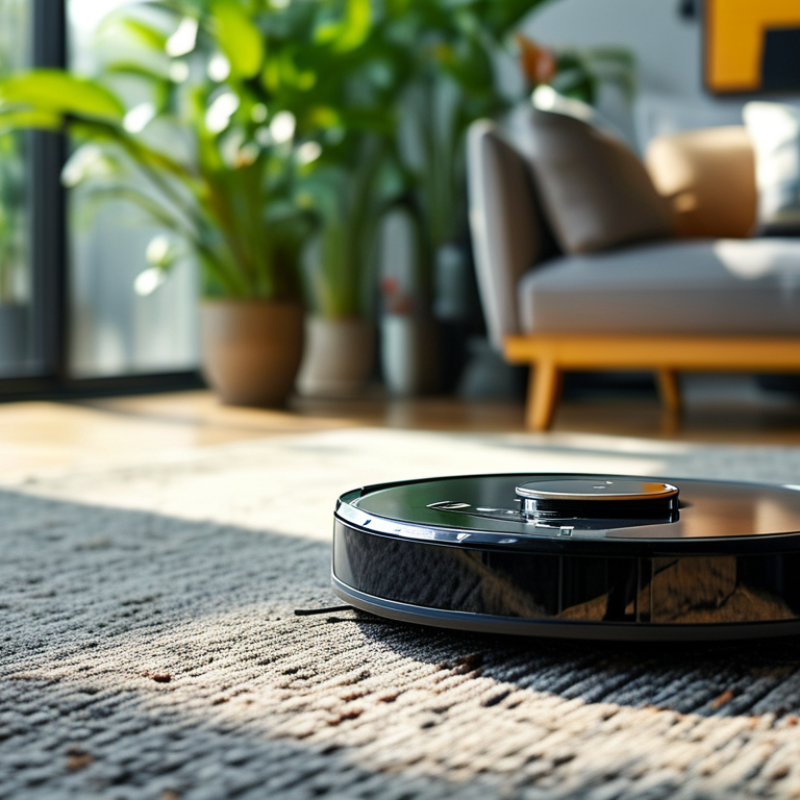
Factors Influencing the Lifespan of Robotic Cleaners in 2026
In 2026, the lifespan of robotic cleaners is influenced by several key factors. One significant aspect is the
quality of components used in manufacturing. Reports indicate that high-quality batteries can enhance the range and durability of these devices.
Lower-end models, however, might succumb to wear and tear faster, reducing overall effectiveness.
Maintenance practices play a crucial role as well. Regular cleaning of brushes and sensors helps maintain functionality.
Many users neglect this aspect, resulting in decreased performance over time. A study by the
Robotics Industry Association noted that proper care can extend a robotic cleaner's life by up to
30%.
User behavior impacts lifespan too. Different cleaning habits and environments contribute to varied longevity.
For example, a robotic cleaner used in a clutter-free space may last longer than one
navigating numerous obstacles. Understanding these factors is essential for maximizing the investment in robotic
cleaning technology.
Average Lifespan of Popular Robotic Cleaners on the Market
The average lifespan of robotic cleaners in 2026 is a topic of growing interest. Typically, most models last between five to seven years. Factors influencing longevity include build quality, usage frequency, and maintenance practices. Investing in regular upkeep can significantly extend your robotic cleaner's life.
Energy-efficient motors and quality sensors are essential for durability. However, common issues often arise. For example, dust accumulation in filters can hinder performance. Users might forget to replace worn-out brushes, impacting cleaning efficiency. These mistakes can lead to premature failure, highlighting the need for user awareness.
It's important to note that different cleaning tasks demand varied robot capabilities. Some perform better on carpets, while others excel on hard surfaces. This difference can affect how long a model remains functional. Understanding these nuances can guide users in choosing the right cleaner and optimizing its lifespan. Regular software updates play a role in enhancing performance too.
Average Lifespan of Popular Robotic Cleaners in 2026
This chart illustrates the average lifespan of various types of robotic cleaners expected in 2026. The data represents the anticipated longevity in years for different cleaning functionalities.
Impact of Maintenance and Upgrades on Robotic Cleaners' Durability
Maintaining robotic cleaners is crucial for their longevity. Regular cleaning of brushes and filters can enhance performance. Neglecting these tasks often leads to decreased efficiency. A well-maintained robot could last several years, while one that is often ignored may malfunction within months. Users sometimes overlook these simple requirements. Ignoring small issues can lead to bigger problems later.
Upgrades also play a significant role in durability. Software updates improve functionality and fix bugs that may arise. Outdated software can cause unnecessary wear and tear. Users often hesitate to invest in upgrades, fearing costs. This mindset can shorten the lifespan of the device. In some cases, upgrades might seem unnecessary, but they can make a difference in performance.
While many assume robotic cleaners will operate indefinitely, that’s not the reality. Like any machine, they require attention and care. It's essential to reflect on how habits affect these devices. A little diligence can extend their lifespan significantly. Just as in life, care and maintenance are vital for survival.
Technological Advancements in Robotic Cleaning Devices by 2026
The landscape of robotic cleaning devices is set to transform significantly by 2026. Advances in AI, sensor technology, and energy efficiency promise smarter, more efficient products. In the coming years, we can expect robotic cleaners to navigate homes with greater precision. Enhanced mapping technologies will enable them to learn layouts seamlessly. This evolution leads to less energy use and longer runtimes.
Integration with smart home systems will become commonplace. As the devices become more interconnected, users will control them through voice assistants or apps. However, there may be challenges. Synchronization issues can arise, or connectivity disruptions might hinder optimal performance. Users might find their devices stuck in unexpected places due to sensor limitations.
Battery life is another critical consideration. While manufacturers aim for more longevity, varying floor surfaces will impact performance. Regular maintenance will remain essential for keeping these machines running smoothly. Owners might grapple with how often to clean the devices themselves. Seeking balance between automation and personal input will be a recurrent theme in this evolving market. New technologies promise to enhance efficiency, but they also require user engagement and understanding.
User Experiences and Reviews Affecting the Longevity of Robotic Cleaners
User experiences play a significant role in determining the longevity of robotic cleaners. Many users report that diligent maintenance can extend the life of these devices. Regularly emptying dust bins and cleaning brushes can prevent malfunctions. A little effort goes a long way in preserving functionality.
However, not all users take this extra step. Some robotic cleaners fail prematurely due to neglect. Users often overlook the importance of replacing filters and batteries. Eventually, this leads to decreased performance. In stark contrast, a proactive approach results in satisfied users and prolonged device life.
Research shows that a device's reliability can largely depend on user feedback. Reviews highlight common issues faced by users, helping potential buyers make informed decisions. Often, users share tips that enhance maintenance routines. This collaborative sharing fosters a community that values knowledge and experience, ultimately contributing to better longevity for robotic cleaners.
How Long Do Robotic Cleaners Last in 2026? - User Experiences and Reviews Affecting the Longevity of Robotic Cleaners
| User Experience |
Model Type |
Average Lifespan (Years) |
Maintenance Frequency (Months) |
Common Issues Reported |
| Satisfied with performance |
Vacuum only |
5 |
6 |
Battery life degradation |
| Needs frequent repairs |
Mopping and vacuuming |
3 |
3 |
Navigation errors |
| Highly efficient |
Self-emptying |
7 |
12 |
Dustbin jam |
| Occasionally stops working |
Basic model |
4 |
4 |
Sensor issues |
| Excellent cleaning capability |
Robotic vacuum |
6 |
6 |
Battery replacement needed |
Conclusion
The article titled "How Long Do Robotic Cleaners Last in 2026?" explores various factors that influence the lifespan of robotic cleaners in an evolving technological landscape. Key considerations include the average lifespan of popular models, the impact of user maintenance and timely upgrades, and the role of technological advancements that enhance durability. Additionally, user experiences and reviews are highlighted as significant factors that can affect the longevity of these devices.
In 2026, understanding how long robotic cleaners last will be essential for potential buyers as they navigate options that offer improved durability and efficiency. This summary aims to provide insights into trends that may shape the longevity of robotic cleaning devices in the near future, emphasizing the importance of maintenance and user feedback in maximizing their operational lifespan.

 NovaBot Robot