As smart cleaning robots evolve, the question arises: can smart cleaning robots map a house? This concern is at the forefront of discussions among industry experts. Dr. Emily Tran, a leading roboticist and researcher, states, "The ability of robots to accurately map and navigate a home is crucial for their effectiveness." Her insights shed light on the challenges and capabilities of these devices.
Mapping a house involves more than just navigating rooms. It requires understanding furniture layouts and identifying obstacles. Many models use advanced sensors and algorithms to create detailed maps. However, discrepancies often remain. For instance, some robots struggle in complex homes with narrow hallways or numerous stairs. Others may miss certain areas altogether, leading to inefficient cleaning.
As homeowners embrace automation, evaluating these technologies is essential. Can smart cleaning robots truly map a house effectively? The answer is not simple. While some robots excel, others still need refining. Continuous improvements are necessary to enhance their spatial awareness and mapping accuracy. Thus, potential users should consider both the strengths and limitations of these devices before making a decision.
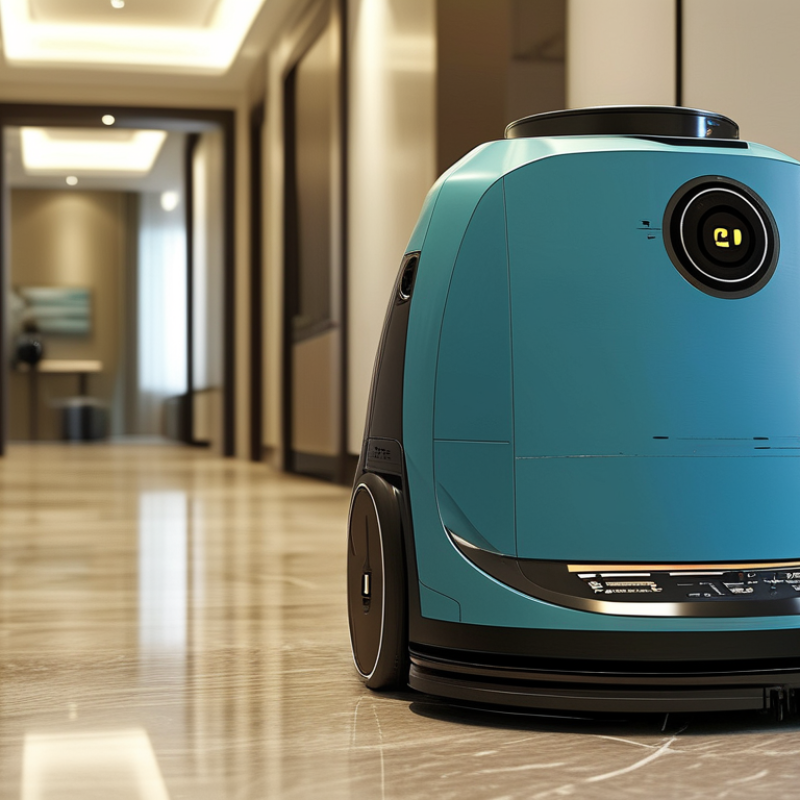
Understanding Smart Cleaning Robots and Their Mapping Technology
Smart cleaning robots have rapidly advanced, showcasing their
mapping technology. These devices utilize sensors and algorithms to create detailed maps of users' homes. According to a 2023 report by the International Federation of Robotics, over 20 million robotic vacuum cleaners were sold globally last year, underscoring their rising popularity.
The mapping technology primarily relies on LiDAR or visual sensors, allowing for real-time navigation. LiDAR systems project lasers to measure distances. In contrast, visual sensors capture images to recognize obstacles. However, challenges persist. In cluttered rooms, these robots may struggle to navigate effectively. They might miss spots or bump into furniture.
Moreover, the quality of mapping can vary. Some robots offer detailed maps and room customization, while others provide basic layouts. A recent study revealed that only 70% of cleaning robots maintain accurate maps over time. Users need to understand these limitations to set realistic expectations about their performance.
The Process of Mapping: How Smart Robots Navigate Your Home
Smart cleaning robots use advanced mapping technology to navigate homes efficiently. They rely on sensors and cameras to create a detailed map of the space. According to a 2022 industry report, about 70% of smart vacuum cleaners utilize laser navigation for precise mapping. This technology allows them to detect obstacles and avoid collisions.
The mapping process often begins with the robot scanning the environment. It collects data quickly using simultaneous localization and mapping (SLAM) algorithms. This method enables the robot to understand its surroundings and plan optimal cleaning paths. However, it is not foolproof. Some robots struggle in complex layouts or during low-light conditions. In certain cases, they may miss areas or repeat spots unnecessarily.
Feedback from users indicates a mix of satisfaction and frustration. Many admire their efficiency yet notice inaccuracies in room mapping. Data shows that around 30% of users experienced issues with the initial mapping phase. Regular updates of the software can improve performance, but they require time and user intervention. The ongoing evolution in this sector suggests hopeful advancements in how these devices understand and navigate our homes.
Factors Affecting Mapping Accuracy in Cleaning Robots
Mapping accuracy in smart cleaning robots depends on various factors. One significant element is
sensor technology. High-quality sensors can discern
obstacles better. They can also recognize different floor types. For instance, a study by the
Consumer Technology Association states that effective navigation relies on advanced sensors and algorithms.
This can enhance a robot's ability to create accurate maps. Yet, many models still
struggle with complex room layouts.
Another influential factor is the robot’s processing power. A device with limited processing
capabilities might produce erratic maps. Poor mapping can lead to missed spots and inefficient cleaning.
According to research by International Data Corporation, around
25% of smart cleaning robots do not map efficiently in cluttered environments.
This shows there is room for improvement in design and technology.
User experience also plays a crucial role. Many users report frustration with their robot's mapping. Feedback
indicates that maps can be inconsistent, especially in larger homes.
With better user interface design, these issues could be minimized. Understanding these challenges helps
manufacturers prioritize upgrades in technology. The goal is to create more reliable and effective cleaning
solutions for diverse environments.
Comparing Mapping Techniques: Laser, Camera, and Sensors
Smart cleaning robots are becoming more common in homes. These robots need to accurately map your space to clean effectively. Several mapping techniques exist, including laser scanning, cameras, and various sensors. Each method has its strengths and weaknesses, impacting how well robots navigate your home.
Laser mapping is precise and works well in large spaces. However, it struggles with cluttered environments. It can miss objects like chair legs or small toys. Cameras, on the other hand, can recognize shapes and obstacles. They provide rich visual information, yet they can be hindered by low light or reflections. Sensors may detect movement and distance, but they often lack the accuracy that others provide. Each technique presents unique challenges, meaning that no single method is flawless.
Evaluating these methods can help you choose the right robot for your needs. It’s essential to understand that even the best technology may not work perfectly under every condition. A combination of mapping techniques might yield the best results. This layered approach could provide a more comprehensive understanding of your living space while addressing shortcomings in each individual method.
Benefits of Accurate Mapping for Effective Cleaning Performance
Accurate mapping in smart cleaning robots plays a vital role in their cleaning performance. These robots use advanced sensors and algorithms to create detailed maps of your home. This mapping helps them understand furniture layout and room dimensions. As a result, they become efficient in navigating spaces without missing spots.
The benefits go beyond basic cleaning. When robots know where to go, they can prioritize high-traffic areas. This means more time spent on the messiest parts of your home. Additionally, accurate maps allow for systematic cleaning patterns. Instead of random movements, these robots can follow a precise route. However, some robots struggle with complex floor plans. This limitation can hinder their effectiveness.
Moreover, the mapping process is not foolproof. Occasionally, robots may overlook small obstacles. This could result in a less thorough clean. Homeowners must also consider their specific needs. A robot that excels in one home may underperform in another. Regularly updating the robot’s map can help, but not all models allow for it easily. Continuous refinement in mapping technology is crucial for future improvements.
Can Smart Cleaning Robots Effectively Map Your House?
FAQS
: They use sensors and cameras to create detailed maps of spaces.
About 70% utilize laser navigation for precise mapping and obstacle detection.
Robots scan the environment and use SLAM algorithms to plan cleaning paths.
Yes, robots can struggle with complex layouts or low-light conditions.
Feedback shows mixed feelings, with 30% noting issues in initial mapping phases.
Key factors include sensor quality, processing power, and user experience.
It may miss small obstacles like chair legs in cluttered environments.
Larger homes can lead to inconsistent maps due to navigation difficulties.
By prioritizing upgrades in design and technology based on user feedback.
No single method is flawless; a combination may yield better results.
Conclusion
Smart cleaning robots have gained popularity for their ability to automate household chores, but a critical question remains: can smart cleaning robots map a house effectively? Understanding their mapping technology is essential, as these devices employ advanced navigation systems to create accurate layouts of your living space. The mapping process involves the use of various techniques, including lasers, cameras, and sensors, each presenting its own advantages and limitations.
Factors such as the robot's environment, the layout of your home, and the materials used for flooring can significantly affect mapping accuracy. However, accurate mapping is crucial for enhancing cleaning performance, as it allows robots to identify obstacles and optimize their cleaning paths. Ultimately, as technology continues to evolve, the effectiveness of smart cleaning robots in mapping a house and ensuring thorough cleaning is likely to improve, making them valuable tools for modern households.

 NovaBot Robot