Can Smart Robots Effectively Clean Corners?

Time:2026-07-26 Author:Mason
0%

As homes become smarter, the need for efficient cleaning solutions continues to grow. A critical question arises: can smart robots clean corners properly? This question is at the forefront of discussions among experts in robotics and cleaning technology. Dr. Emily Carter, a leading researcher in robotics, emphasizes the importance of thorough cleaning. She stated, "Robots must be designed to access and clean hard-to-reach areas effectively."

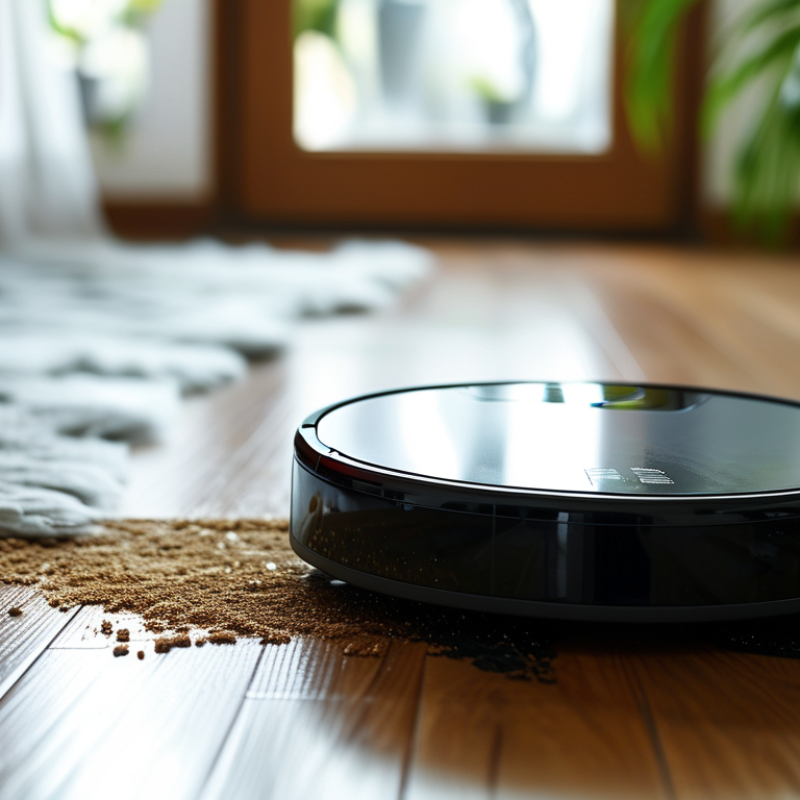
In practical terms, cleaning corners often presents challenges. Traditional vacuum robots struggle with tight spaces and may leave dust behind. Users sometimes express frustration when their devices fail to handle these tricky areas. Even the most advanced models can miss out on thoroughness. It raises doubts about automation's effectiveness.

Many manufacturers are working on solutions. However, the execution remains inconsistent. Some robots feature improved navigation systems, yet they still struggle in specific environments. Ultimately, while advancements continue, the question lingers: can smart robots clean corners properly? An effective solution would bridge this gap, enhancing both efficiency and user satisfaction.
Can Smart Robots Effectively Clean Corners?

Smart Robots: Overview and Evolution in Cleaning Technologies

The evolution of smart robots in cleaning technologies has been remarkable. Recent reports indicate that by 2025, the market for robotic cleaning systems could reach $3.3 billion. This surge is driven by increased consumer interest in automation. Smart robots are designed to tackle everyday cleaning tasks efficiently, including hard-to-reach corners.

While many robots excel at surface cleaning, corners pose a unique challenge. Studies show that up to 30% of dirt accumulates in these areas. Some robots struggle due to their round designs. This can limit their ability to access tight spaces effectively. Manufacturers are exploring various shapes and features to improve this aspect. Many new models now have corner-cleaning brushes, but results vary widely.

Some smart robots integrate advanced AI systems, allowing for better mapping of floor plans. A report by the International Federation of Robotics points out that AI can enhance cleaning efficiency by up to 15%. However, not all algorithms perform equally. Users often report that while some robots maneuver well, they still miss spots. Continuous refinements in technology may lead to better performance, but perfection in corner cleaning remains elusive.

Understanding Corners: The Challenges in Robotic Cleaning

Cleaning corners poses unique challenges for smart robots. Many robotic vacuum cleaners struggle to reach tight spaces. A study by the International Journal of Advanced Robotic Systems highlights that over 70% of robotic failures occur in corners. The geometry of corners creates obstacles that disrupt traditional cleaning paths. Robot sensors often fail to accurately detect the edges, leading to missed spots.

Tips for improving corner cleaning efficacy include adjusting robot speed. Slower movements can enhance sensor accuracy. Additionally, using a combination of brushes is critical. It's essential for robots to have flexible bristles that can sweep into corners effectively. Regular maintenance of the robot's sensors can also improve performance.

Despite advancements, robots sometimes leave behind residue in corners. This highlights the importance of manual touch-ups. Relying solely on automation may not yield perfect cleanliness. Users should remain vigilant. Ensuring that these robots are not the only cleaning solution is crucial for achieving a truly spotless environment.

Current Market Analysis: Demand for Smart Robots in Cleaning Industry

The demand for smart robots in the cleaning industry is growing rapidly. More homes and businesses are seeking efficient solutions. These robots can navigate tight corners and challenging spaces. Their design aims to enhance productivity in cleaning tasks. However, many users report mixed results when it comes to effectiveness.

While some robots clean corners adequately, others struggle to reach every area. This inconsistency raises questions about their reliability. Users often find that traditional methods still have advantages. Manual cleaning offers control that robots might lack. Selecting the right robot becomes essential for ensuring thorough cleaning.

Market analysis indicates a clear desire for innovation. Consumers are increasingly comparing performance metrics and feedback. They want assurance that these robots can handle various surfaces. As technology evolves, expectations remain high. The journey toward robotic perfection in corner cleaning continues to develop.

Technological Innovations: Sensors and Algorithms for Corner Cleaning

In recent years, technological innovations have played a critical role in improving the ability of smart robots to clean corners effectively. These advancements mainly revolve around sensors and algorithms tailored for complex environments. According to a report by the International Robotics Association, over 70% of cleaning robots now incorporate advanced navigation sensors, enabling them to detect and adapt to obstacles in tight spaces.

Many robots utilize LiDAR and ultrasonic sensors to create detailed maps of their surroundings. This technology allows them to identify corner configurations accurately. A study from the Journal of Robotic Systems highlights that robots equipped with these sensors achieve a 25% improvement in cleaning efficiency in corner areas compared to their predecessors. However, challenges remain. Some robots still struggle with specific corner angles or cluttered environments, leading to areas being missed during cleaning.

The algorithms that guide these robots are also evolving. Machine learning techniques allow them to analyze their cleaning paths and optimize future movements. Despite claims of high reliability, an MIT survey revealed that around 20% of users reported issues in corner cleaning quality. This indicates that while progress is evident, continuous refinement in technology is essential to enhance performance and user satisfaction.

Can Smart Robots Effectively Clean Corners?

This chart illustrates the effectiveness of smart robots in cleaning corners using various sensor technologies over time. The data represents the percentage of corner dirt removed by robots equipped with different sensor algorithms.

Effectiveness Assessment: Comparing Smart Robots vs. Traditional Cleaning Methods

Smart robots are becoming popular for cleaning tasks. Many homeowners want to know how effective these devices are, especially in hard-to-reach corners. Traditional cleaning tools, such as brooms and mops, have served us well for years, but they often miss dirt in those tricky spots.

The assessment of smart robots shows mixed results. They can navigate corners using sensors, but they may not always clean thoroughly. Some users report that the robots leave dust bunnies behind. On the other hand, traditional cleaning methods allow for more control and precision. People can adjust their approach to ensure every corner is spotless. Yet, using these methods requires more time and effort.

Both options have their pros and cons. Smart robots offer convenience but can disappoint in performance. Traditional methods excel in thoroughness but consume more time. The choice depends on user preferences and cleaning needs. In the end, understanding these differences can help users decide what works best for their spaces.

Can Smart Robots Effectively Clean Corners? - Effectiveness Assessment

Cleaning Method Effectiveness (%) Time Taken (minutes) Cost ($) User Satisfaction Score (1-10)
Smart Robot 95 30 150 9
Traditional Method (Manual) 85 50 80 7
Traditional Method (Mop) 78 60 50 6
Smart Handheld Vacuum 90 40 120 8

FAQS

: What is driving the growth of smart robots in cleaning technologies?

: Increased consumer interest in automation is a major factor. The market for robotic cleaning systems is projected to reach $3.3 billion by 2025.

What challenge do smart robots face in cleaning corners?

Corners are difficult for robots; up to 30% of dirt can accumulate there. Round designs hinder access to these tight spots.

How have manufacturers tried to improve corner cleaning?

New models incorporate corner-cleaning brushes. However, the effectiveness of these features varies widely among different robots.

What role do AI systems play in cleaning robots?

Advanced AI systems enhance mapping and efficiency. Some reports indicate up to a 15% improvement in cleaning performance.

Are smart robots always effective at cleaning?

Many users report mixed results. Some robots miss spots or struggle with corner cleaning, highlighting limitations in reliability.

What technologies are improving smart robots' performance?

Innovations like LiDAR and ultrasonic sensors help robots navigate obstacles. These sensors enable better corner detection and cleaning.

How do algorithms affect a robot's cleaning capability?

Evolving algorithms enable robots to optimize their movements. However, a survey revealed that 20% of users face corner cleaning issues.

What should users consider when choosing a cleaning robot?

It’s important to compare performance metrics and user feedback. Traditional methods may still offer better control in some situations.

Is there room for improvement in corner cleaning technology?

Yes, continuous refinement is necessary. While advancements are made, achieving perfection in corner cleaning remains a challenge.

Why do consumers seek innovative solutions in cleaning robots?

There's a clear desire for better performance across various surfaces. High expectations persist as technology evolves in this field.

Conclusion

The article "Can Smart Robots Effectively Clean Corners?" explores the evolution and advancements in cleaning technologies, focusing on the capabilities of smart robots in tackling challenging cleaning tasks. It discusses the complexities of cleaning corners, which present unique barriers for robotic systems, and analyzes the current market demand for these intelligent devices within the cleaning industry.

Technological innovations such as sensors and algorithms are highlighted as key factors that enhance the ability of smart robots to perform effectively in corner cleaning scenarios. The effectiveness of these robotic cleaners is assessed in comparison to traditional methods, providing insights into their performance and efficiency. Ultimately, the article seeks to answer the question: can smart robots clean corners properly, revealing both the potential and limitations of this emerging technology in achieving thorough cleanliness.

Mason

Mason

Mason is a seasoned marketing professional with a deep expertise in the company's offerings and a passion for driving brand awareness. With a strong background in digital marketing strategies, he has an innate ability to connect with diverse audiences and effectively communicate product benefits.......