Advancing Global Health Security Through AI-Driven Autonomous Sanitation & Smart Disinfection Systems
Engineered for high-traffic environments and precision sanitation
The global demand for Portable Disinfection Robots has transcended the emergency response phase of the early 2020s, evolving into a fundamental pillar of institutional health and safety. As a leading supplier and exporter, we recognize that the shift from manual chemical spraying to autonomous, measured, and verified disinfection is driven by the need for Information Gain—the ability to provide data-backed proof of sanitation that human labor simply cannot replicate.
Modern commercial and industrial sectors are no longer satisfied with "visible cleanliness." The contemporary standard requires microscopic sterilization, achieved through UV-C radiation, dry-mist hydrogen peroxide fogging, or plasma-based air purification. These portable units provide the versatility needed to navigate complex environments like hospitals, boutique hotels, and compact laboratory spaces where large-scale machinery cannot operate.
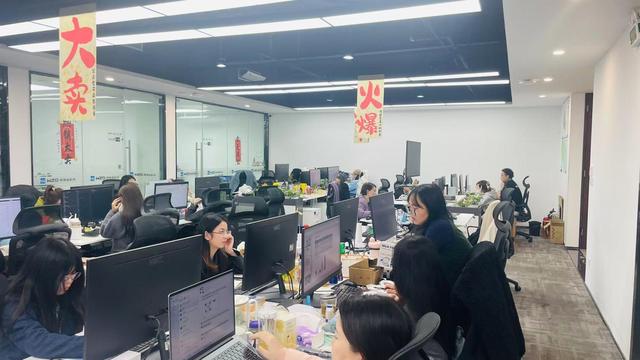
Established in 2014, NovaBot has pioneered the integration of AI and autonomous sanitation. Headquartered in the technological hub of Guangzhou, China, our journey began with a focus on residential robotic vacuums and has expanded into a global powerhouse for commercial and industrial disinfection solutions.
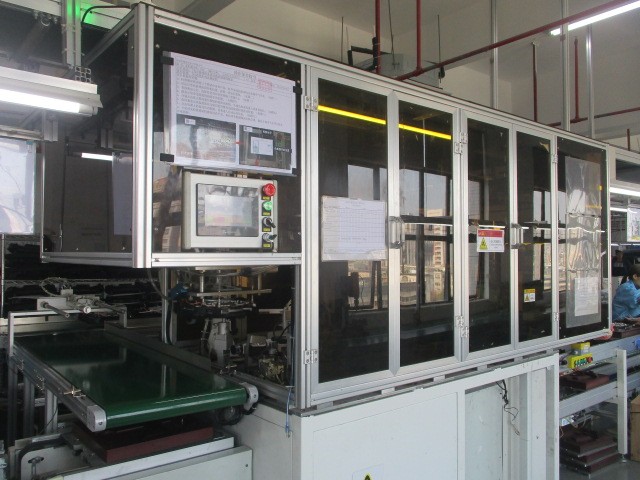
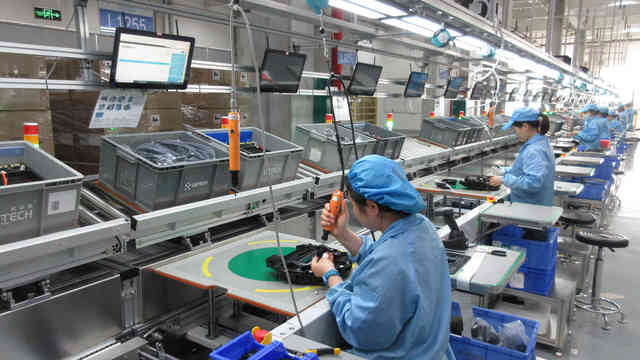
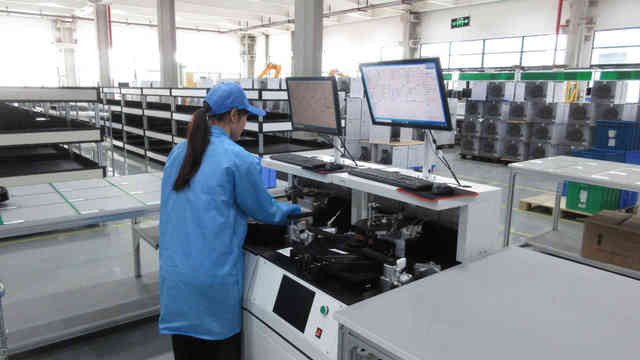
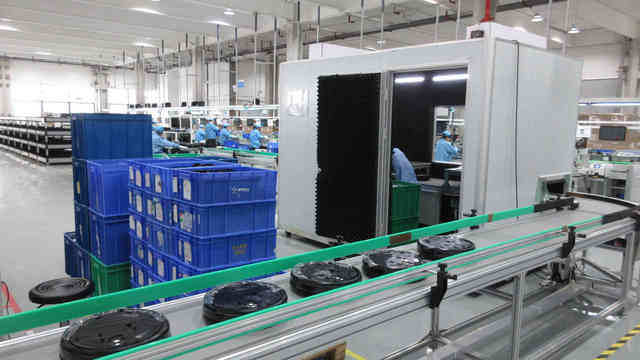
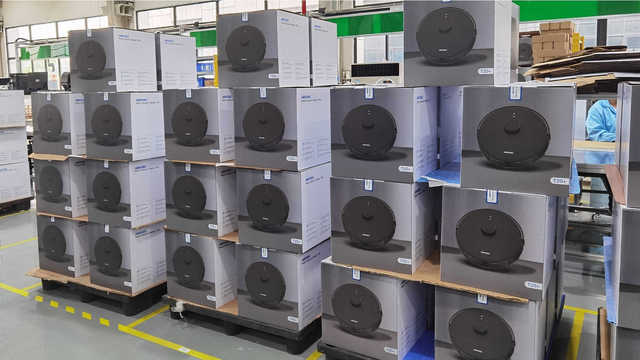
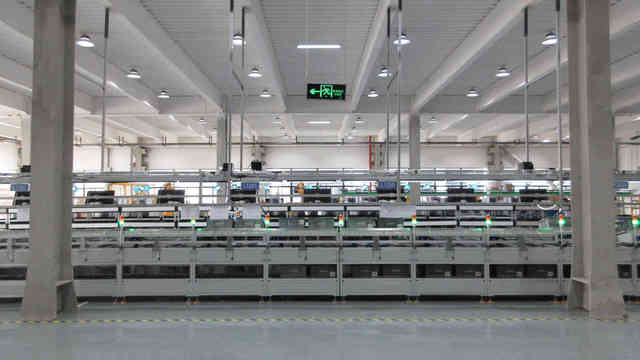
Our 28,000-square-meter facility is a testament to supply chain resilience. With 18 automated assembly lines and over 320 skilled professionals, we maintain an annual capacity of 1.2 million units. Our "Reliability First" philosophy is backed by advanced testing labs where every robot undergoes 500+ hours of stress testing before export.
Driving the future of autonomous germicidal intervention
Moving beyond simple obstacle avoidance, our robots utilize multi-sensor fusion (LiDAR + Depth Cameras + Ultrasonic) to map complex 3D environments with 1cm precision.
Real-time calculation of UV-C exposure or disinfectant mist density based on room volume and surface materials, ensuring maximum efficacy without wasting resources.
Every portable disinfection robot acts as a data node, providing digital "Certificates of Disinfection" via our secure cloud platform for compliance auditing.
Adapting high-tech solutions to diverse local needs
In localized medical settings, our robots provide terminal disinfection in ERs and ORs, significantly reducing Healthcare-Associated Infections (HAIs).
Optimized for schools, these units operate during night shifts to sanitize classrooms, libraries, and cafeterias, protecting students from seasonal outbreaks.
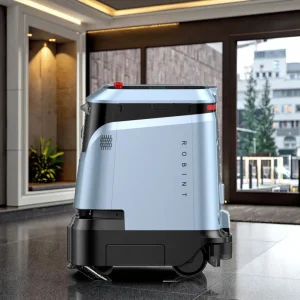
Enhancing "Guest Confidence" by deploying robots in lobbies and corridors. Portable designs allow for easy transport between floors in boutique hotels.
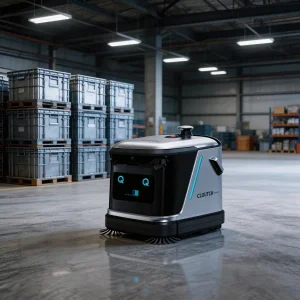
Specifically designed for high-ceiling environments, our robots sanitize packaging surfaces and loading docks to ensure safe global trade.
As a leading exporter based in Guangzhou, NovaBot leverages the world's most sophisticated robotics ecosystem. The "Pearl River Delta" advantage allows us to source high-precision sensors, high-density LiFePO4 batteries, and aerospace-grade alloys within a 50km radius. This geographic concentration results in unmatched efficiency and cost-effectiveness.
Our supply chain resilience is built on three pillars: Vertical Integration (we manufacture 70% of core components in-house), Strategic Buffering (maintaining a 6-month supply of critical semiconductors), and Agile R&D (reducing the "concept-to-market" cycle by 40% compared to Western competitors).
Furthermore, our compliance team ensures that every exported unit meets CE, FCC, and RoHS standards, with localized power adapters and multilingual software interfaces pre-installed for our international partners.
Explore our deep-tech sanitation and maintenance portfolio
The next frontier in portable disinfection is Multi-Agent Collaboration (Swarm Intelligence). Instead of a single robot tackling a large airport terminal, a "fleet" of smaller, agile portable robots will communicate via 5G/6G networks to divide the space dynamically. This ensures that high-risk areas receive more frequent interventions while low-traffic zones are maintained with minimal energy consumption.
NovaBot is currently investing in Next-Gen Solid State LiDAR and Biological Pathogen Sensors that will allow robots to "sense" viral load in the air, shifting from scheduled cleaning to Event-Driven Disinfection. This proactive approach will redefine public health standards for the next decade.
Expert insights on choosing and deploying disinfection robotics
 NovaBot Robot