Core robotic solutions deploying advanced spatial analysis, autonomous mobility, and variable disinfection modalities.
Understanding the technical drivers, market dynamics, and clinical demand reshaping sanitation paradigms.
The global disinfection robotics market has shifted from an early-stage adoption phase to a standard protocol requirement across clinical, industrial, and commercial settings. In the wake of heightened microbiological threats and healthcare-associated infections (HAIs), manual cleaning methodologies are increasingly deemed insufficient due to human error, lack of repeatability, and chemical handling hazards.
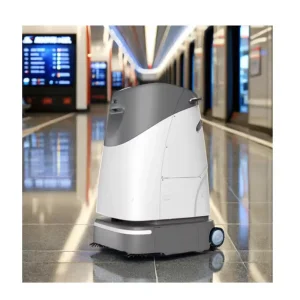
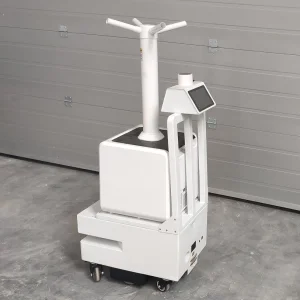
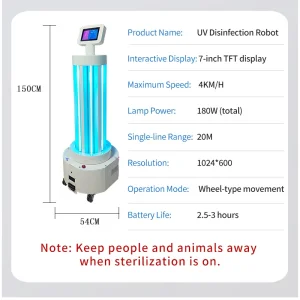
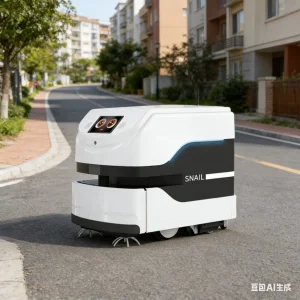
A modern Robotic Disinfection Unit is an autonomous vehicle integrating navigation stacks (specifically SLAM), environmental sensing array, and dry-fog or radiation-based sterilization components. The goal is simple: achieve a verifiable log-6 reduction of pathogens (99.9999% elimination) without placing human operators at risk. Industry leaders are focusing on multi-modal disinfection, enabling units to switch or combine UV-C (ultraviolet radiation at 254nm), hydrogen peroxide vapor (HPV), or hypochlorous acid (HOCl) dispersion dynamically based on the space profile.
Targeting Log-6 pathogen eradication rates validated under strict biological indicator parameters.
Real-time telemetry and mapping ensure 100% path coverage with zero blind spots or manual intervention.
Amortizing capital hardware cost over hundreds of cycles, reducing reliance on expensive, scarce sanitization labor.
A deep dive into the corporate strength, manufacturing base, and technological foundation of NovaBot.
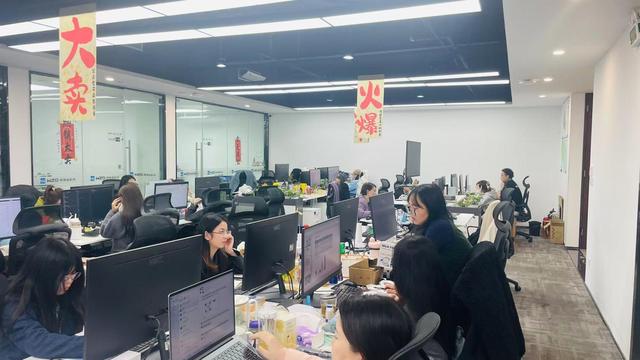
Guangzhou NovaBot Robot Co., Ltd. is a professional smart cleaning robot manufacturer specializing in AI robotic vacuum cleaners, intelligent floor cleaning systems, and autonomous sanitation solutions for global residential and commercial markets. Established in 2014 and headquartered in Guangzhou, China, NovaBot has rapidly grown into an innovative technology-driven enterprise integrating research and development, manufacturing, quality control, and international sales.
Driven by continuous innovation and customer-focused development, NovaBot invests heavily in AI software optimization and smart automation technologies. The company is committed to providing efficient, eco-friendly, and intelligent cleaning solutions while building long-term partnerships with clients worldwide through high-quality products, flexible OEM/ODM services, and professional technical support.
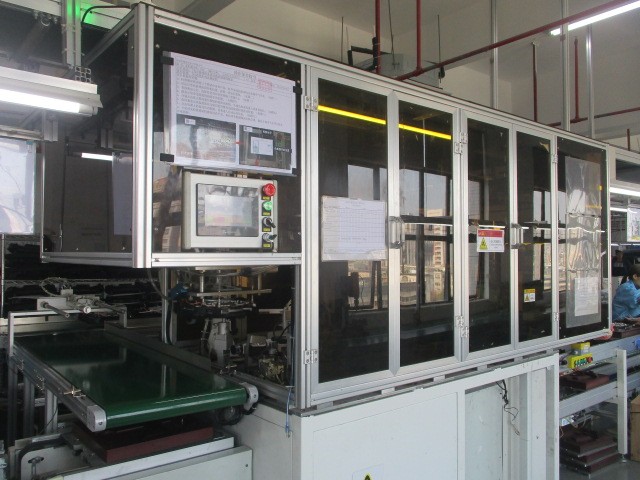
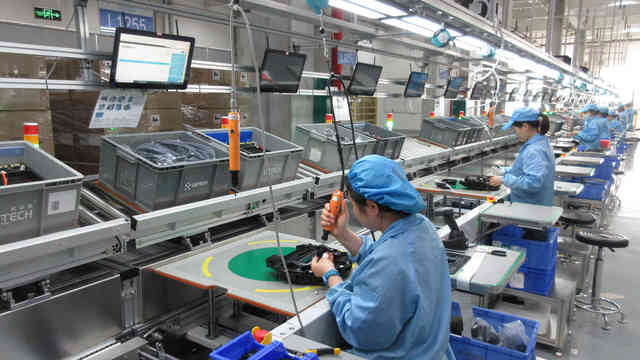
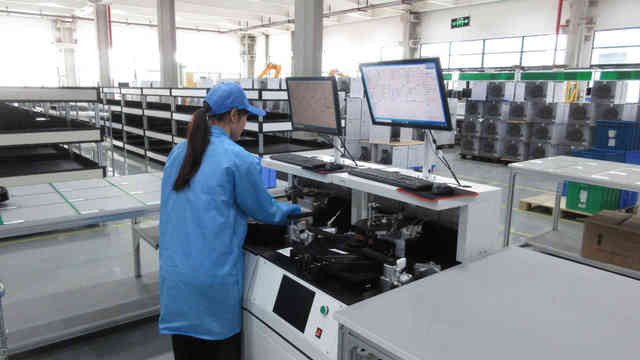
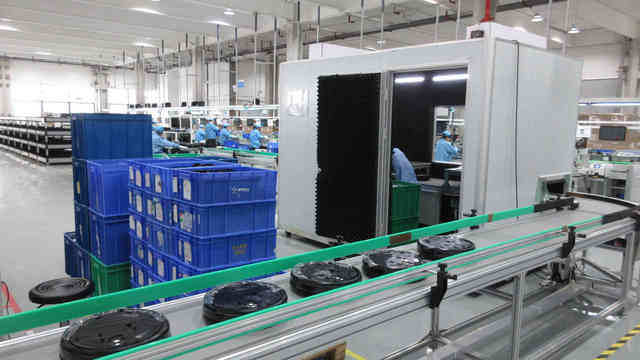
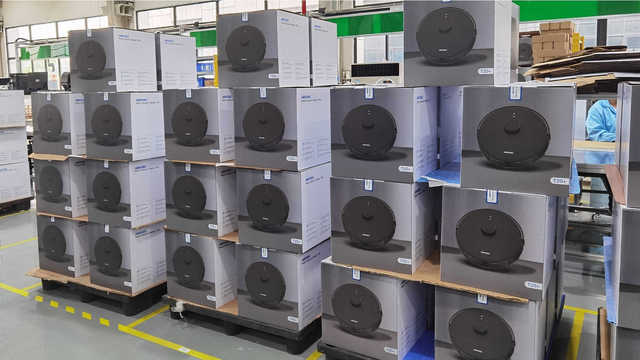
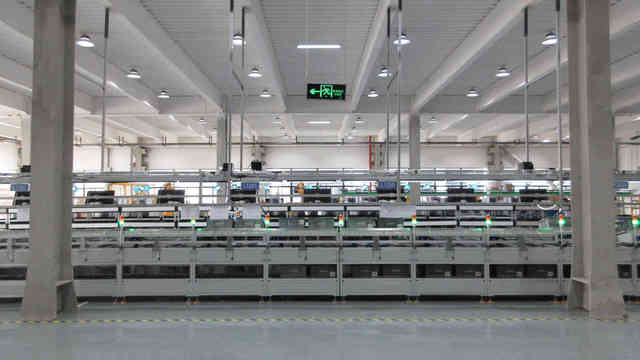
The company operates a modern production facility covering over 28,000 square meters with more than 320 skilled employees and 18 automated assembly lines. Equipped with advanced testing laboratories and intelligent manufacturing systems, NovaBot maintains strict quality management standards throughout every stage of production. Annual production capacity exceeds 1.2 million smart cleaning devices, serving distributors, retailers, and OEM/ODM partners across Europe, North America, Southeast Asia, and the Middle East.
Why Chinese robotics ecosystems lead the manufacturing velocity and technical iteration cycles globally.
The manufacturing architecture of robotic disinfection units requires an integrated supply chain that spans sensor fusion, precision molding, and high-performance chemical handling modules. China's Factory 4.0 paradigm, exemplified by leading players like Guangzhou NovaBot, leverages geographical clusters where LiDAR systems, high-efficiency motors, microfluidic pumps, and microprocessors are developed within a 50-mile radius. This dramatic concentration reduces logistics overhead and shortens engineering change order (ECO) cycle times from months to days.
Moreover, the incorporation of advanced automated optical inspection (AOI), automated guided vehicles (AGVs) in assembly lines, and environmental simulation chambers ensures that each disinfection unit undergoes rigorous stress testing (vibration, heat, humidity, drop tests) prior to container loading. This high degree of automation guarantees consistency that matches and often exceeds global standards (CE, FCC, RoHS) while optimizing production cost models for large-scale enterprise buyers.
Accelerated hardware iteration cycles using local localized R&D clusters.
ISO 9001 and ISO 13485 compliant environments for cleanroom assembly.
Lower BOM costs due to deep localization of mechanical and optical parts.
Dynamic software burn-in testing over 72 consecutive hours of system load.
The technological trajectory of spatial disinfection: sensor fusion, edge compute, and alternative light sources.
The next generation of disinfection robots will evolve from "blindly mapping and spraying" to "intelligent, reactive sanitization." Key vectors of technology development include:
Traditional LiDAR systems can struggle with glass walls and mirror reflections common in hospitals. Future architectures integrate Solid-State LiDAR, structured light cameras, and ultrasonic sensors fused through neural network pipelines. This allows the robot to dynamically identify transient obstacles (such as active nurses or patients) and temporarily disable UV-C emission instantly to prevent optical exposure injuries, resuming the cycle when clear.
While standard 254nm UV-C is effective at breaking down pathogen DNA/RNA, it is hazardous to human skin and eyes. The industry is actively transitioning toward Excimer lamps emitting 222nm Far-UVC. Research shows this wavelength is highly germicidal but cannot penetrate the dead-cell layer of human skin, unlocking the capability for continuous autonomous disinfection in occupied public spaces.
Instead of single-unit operations, modern facilities deploy fleets. Advanced cloud platforms orchestrate pathfinding to prevent duplicate runs, dynamically allocate robots to high-traffic areas based on occupancy sensors, and automatically generate EPA-compliant sanitization reports verifying exposure metrics (mJ/cm²) or chemical dosage per room.
A professional comparative framework evaluating product range, regional compliance, and primary technology.
| Manufacturer Name | Primary HQ | Core Modality | Navigation Standard | Key Compliance / Certifications |
|---|---|---|---|---|
| Guangzhou NovaBot Robot Co., Ltd. | China | Dual UV-C / Chemical Dry-Fog | Laser LiDAR + Gyroscope SLAM | CE, RoHS, ISO9001, FCC |
| UVD Robots (Blue Ocean Robotics) | Denmark | Pure UV-C Array | LiDAR & Safety Sensors | CE, FDA Listed, UL |
| Xenex Disinfection Services | USA | Pulsed Xenon UV | Manual/Semi-Autonomous Assist | FDA Registered, EPA |
| TMI Robotics | China | UV-C + Hydrogen Peroxide | Multisensor SLAM | CE, ISO13485 |
| Fetch Robotics (Zebra) | USA | Co-developed UV Modules | LiDAR mapping | UL, CE |
| Omron Corporation | Japan | OEM Disinfection Integration | LD Series SLAM | CE, ISO 13485 |
| Keenon Robotics | China | Atomizing Disinfection | Visual/Lidar SLAM | CE, FCC |
| Milagrow Business & Labs | India | Chemical Atomizer | Lidar Navigation | CE |
| Pudu Robotics | China | Dry Mist Disinfection | Visual SLAM | CE, FCC |
| Bioquell (Ecolab) | UK | Hydrogen Peroxide Vapor | Semi-Autonomous Cart | EPA Registered, CE |
Factors to evaluate when importing, deploying, and maintaining high-precision sanitization robotics.
Enterprise procurement departments must look beyond initial hardware acquisition costs. The total cost of ownership (TCO) calculation should balance factors like maintenance access, sensor replacement intervals, software license fees, and battery cycle lifetimes.
Can the robotic platform connect to your building's BMS (Building Management System) or ERP? Look for platforms that offer RESTful APIs to initiate runs after hours automatically.
Ensure the robotic unit supports auto-charging and resumes operation seamlessly without human intervention when a low-battery state occurs.
Ensure you are not locked into proprietary chemical solutions. The NovaBot Dual Compatibility model allows both Hydrogen Peroxide and Hypochlorous Acid sourcing locally, reducing operational cost.
Navigating the regulatory requirements and localized support pathways for robotics deployment.
Deploying automated chemical dispersion or high-power UV radiation platforms requires meeting strict local compliance frameworks. In North America, the environmental protection agency (EPA) regulates disinfection devices, necessitating registrar compliance. In Europe, machinery safety (CE Machinery Directive 2006/42/EC) and electromagnetic compatibility (EMC) must be thoroughly certified.
Furthermore, post-sales local support is critical. Leading manufacturers like Guangzhou NovaBot structure their global distributor relationships to include comprehensive operator training, remote telemetry diagnostics, and localized spare part hubs in North America and Western Europe, guaranteeing hardware downtime remains under 24 hours.
Addressing key engineering, regulatory, and capability questions asked by procurement officers.
Hydrogen Peroxide Vapor (HPV) is a highly regulated, potent sporicide that achieves rapid log-6 reduction but typically requires the room to be completely sealed due to toxicity. Hypochlorous acid is a milder chemical agent, often considered safe for food-contact areas and less corrosive, making it ideal for lighter commercial applications.
Shadow zones are addressed by the robot's autonomous path planning. Instead of remaining static, the robot moves to multiple preset points in a room (dynamic multi-point irradiation) to ensure direct line-of-sight exposure for all critical surfaces, such as under-table zones or cabinet handles.
NovaBot units integrate multi-layered safety mechanisms. This includes active visual AI human recognition, 360-degree LiDAR, and manual emergency stop buttons. In UV-C modes, if a human body signature is detected within 5-7 meters, the UV lamp arrays are powered down within milliseconds.
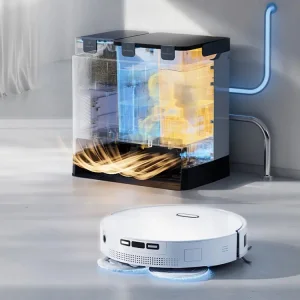
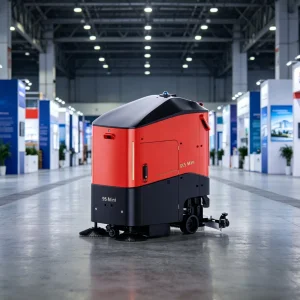
Yes, specialized models integrate dual-function modules. For instance, commercial floor scrubbers like the NovaBot industrial line can be fitted with auxiliary micro-sprayers or bottom-facing UV modules to sanitarily treat floor surfaces concurrently while vacuuming or scrubbing.
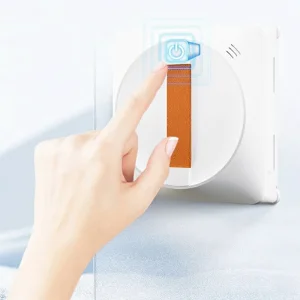
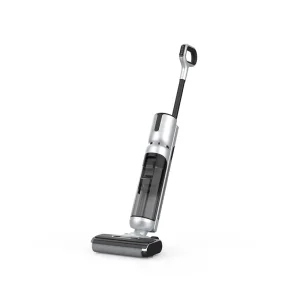
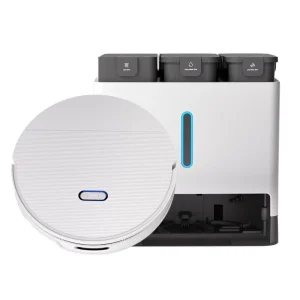
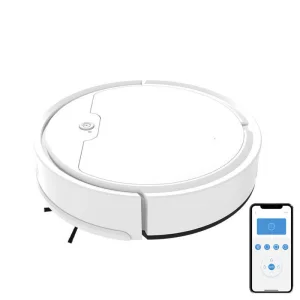
Discover the full scope of residential, commercial, and industrial automation models available from Guangzhou NovaBot.
 NovaBot Robot