Smart Surface Cleaning: The 2024 Industrial Whitepaper
The global shift towards Autonomous Sanitation is no longer a futuristic concept but a present-day necessity. As labor costs rise and hygiene standards become more stringent post-pandemic, the demand for Smart Surface Cleaners has surged across residential, commercial, and industrial sectors. China, as the world's leading manufacturing hub, has evolved from a simple assembly line to the epicenter of AI-driven robotic innovation. This report explores why top global enterprises are sourcing their intelligent cleaning fleets from specialized Chinese factories.
Supply Chain Dominance
China's "Greater Bay Area" provides a unique ecosystem where LiDAR sensors, high-torque motors, and AI chips are manufactured within a 50-mile radius, ensuring unmatched production speed and cost efficiency.
AI & Navigation Evolution
Modern units utilize SLAM (Simultaneous Localization and Mapping) and 3D ToF sensors, allowing for millimeter-precision cleaning in complex environments like hospitals and malls.
Global Compliance
Leading suppliers now adhere to strict international standards including CE, FCC, RoHS, and GDPR-compliant data handling for IoT-connected devices.
Guangzhou NovaBot Robot Co., Ltd.
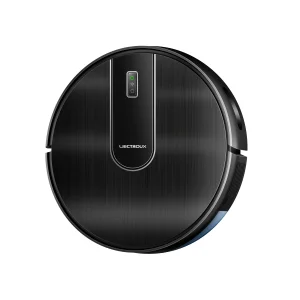
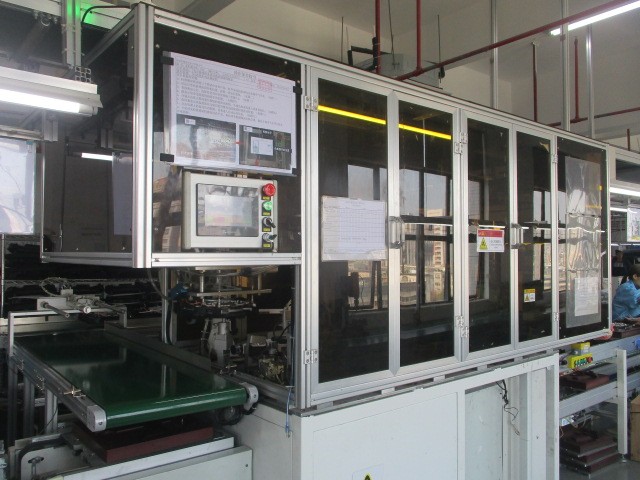
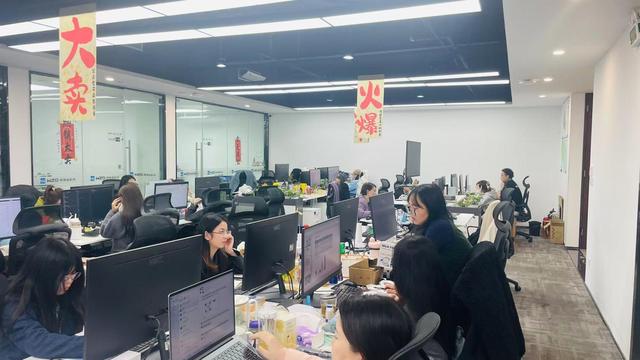
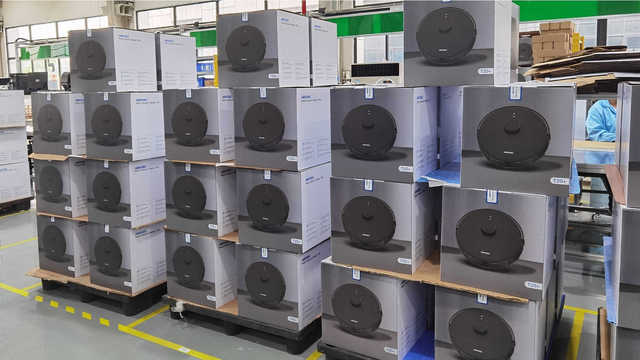
Established in 2014, NovaBot Robot Co., Ltd. stands as a beacon of innovation in the heart of Guangzhou. Specializing in AI robotic vacuum cleaners and autonomous sanitation solutions, the company has bridged the gap between residential convenience and industrial-grade reliability.
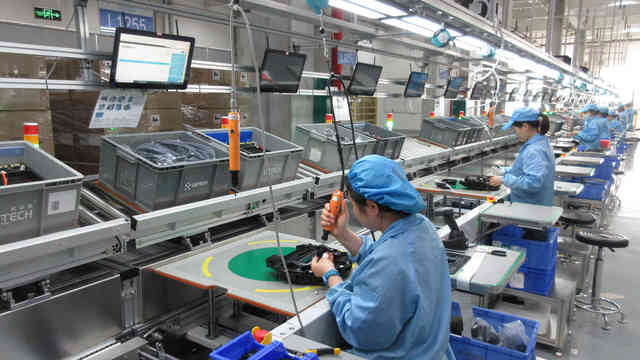
28,000+Square Meters Facility
1.2M+Annual Capacity
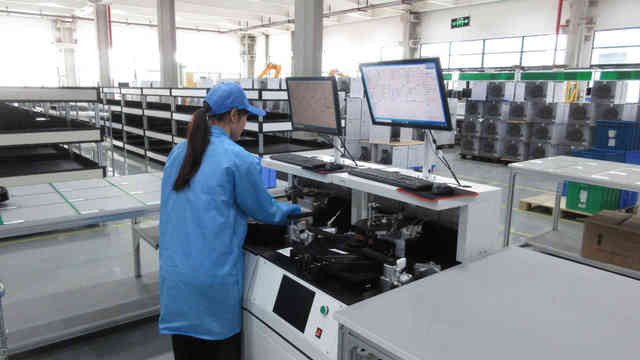
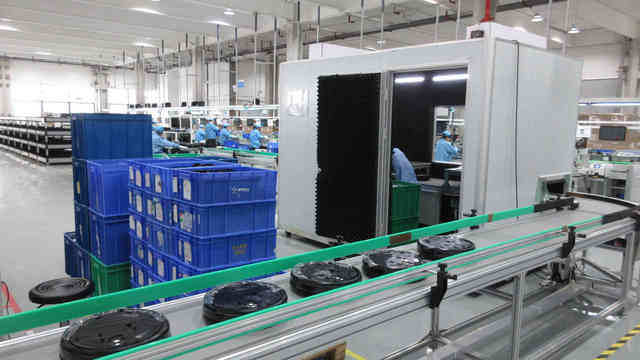
18+Automated Lines
With over 320 skilled professionals and heavy investment in R&D, NovaBot focuses on LiDAR mapping, IoT connectivity, and energy-efficient motor designs. Their commitment to OEM/ODM services makes them a preferred partner for global distributors seeking tailored smart cleaning technology.
Localization & Global Logistics Support
Multilingual Software Integration
We provide full API and App localization support in 25+ languages, ensuring that end-users in Germany, Japan, or Brazil experience a native interface with local cloud server stability.
After-Sales & Part Warehousing
Strategic partnerships with local repair centers in Europe and North America mean that replacement brushes, batteries, and sensors are always available, reducing downtime for commercial clients.
Customized Compliance Certs
Whether it's TUV certification for safety or UL standards for the American market, our engineering team assists in the full certification process for bespoke ODM projects.
Industry Development Trends
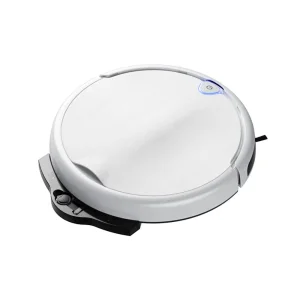
The smart cleaning industry is evolving towards multi-modal sensing. We are seeing a transition from simple "bump-and-turn" vacuuming to "Deep Clean" AI that can distinguish between a liquid spill on tile and dust on a carpet, adjusting suction power and water flow in real-time. Furthermore, Green Technology is becoming a core requirement, with factories implementing recycled plastics and high-density cobalt-free batteries to meet ESG goals of global corporations.
Application Scenarios: Beyond the Home
Hospitality & Hotels
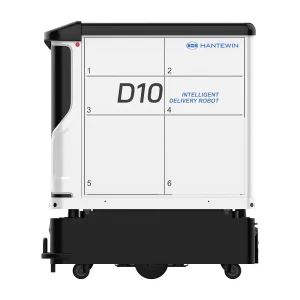
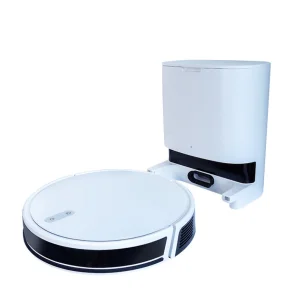
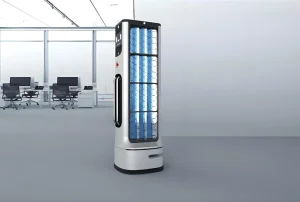
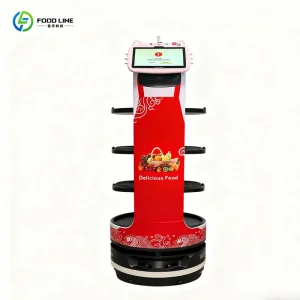
Autonomous delivery robots and slim vacuums that work under beds, providing a seamless "invisible" cleaning experience for guests.
Industrial PV Stations
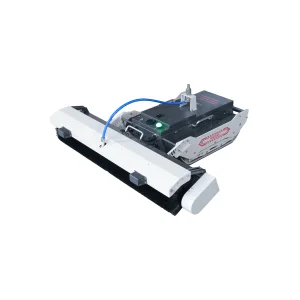
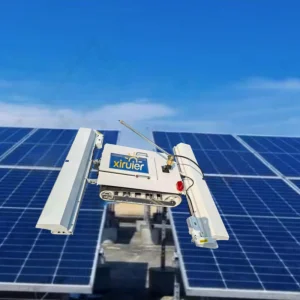
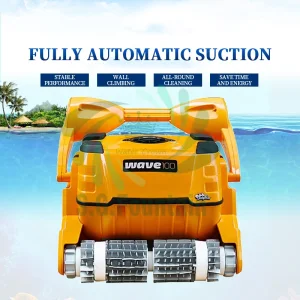
Specialized solar panel cleaning robots that increase energy efficiency by up to 30% by removing dust and bird droppings without manual labor risks.
Healthcare Facilities
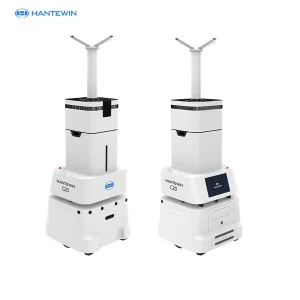
UV-C disinfection integrated units that sanitize the air and floor surfaces simultaneously, meeting hospital-grade pathogen control standards.
Retail & Malls
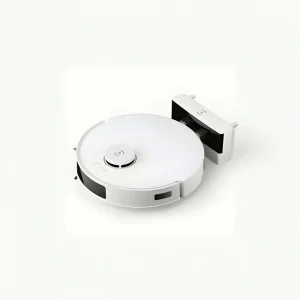
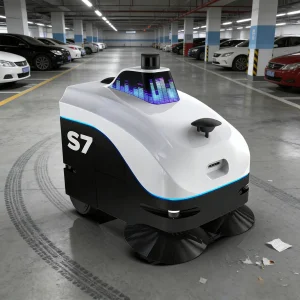
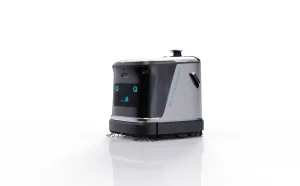
Large-scale scrubbers with auto-charging and auto-water-exchange docks, allowing for 24/7 maintenance of high-traffic floors.
Frequently Asked Questions (FAQ)
1. How do China factories ensure data privacy in smart robots?
Most top-tier manufacturers like NovaBot utilize localized cloud servers (AWS/Azure) and comply with GDPR. Data transmitted is encrypted, and camera-based navigation often uses edge computing where images are processed locally and not stored on the cloud.
2. What is the typical lead time for OEM orders?
Standard OEM orders with custom branding usually take 30-45 days. If a new mold or significant hardware customization (ODM) is required, the development cycle ranges from 4 to 6 months depending on complexity.
3. Can these robots handle uneven surfaces or industrial debris?
Yes, industrial models are equipped with high-clearance suspension systems and reinforced brush rollers capable of picking up metal shavings, wood chips, and large debris typical of warehouse environments.
4. How do you support small-scale distributors?
We offer flexible MOQ (Minimum Order Quantity) options for initial market testing and provide comprehensive marketing kits including high-res 3D renders, video tutorials, and technical datasheets.
 NovaBot Robot