Universal Robot Chassis
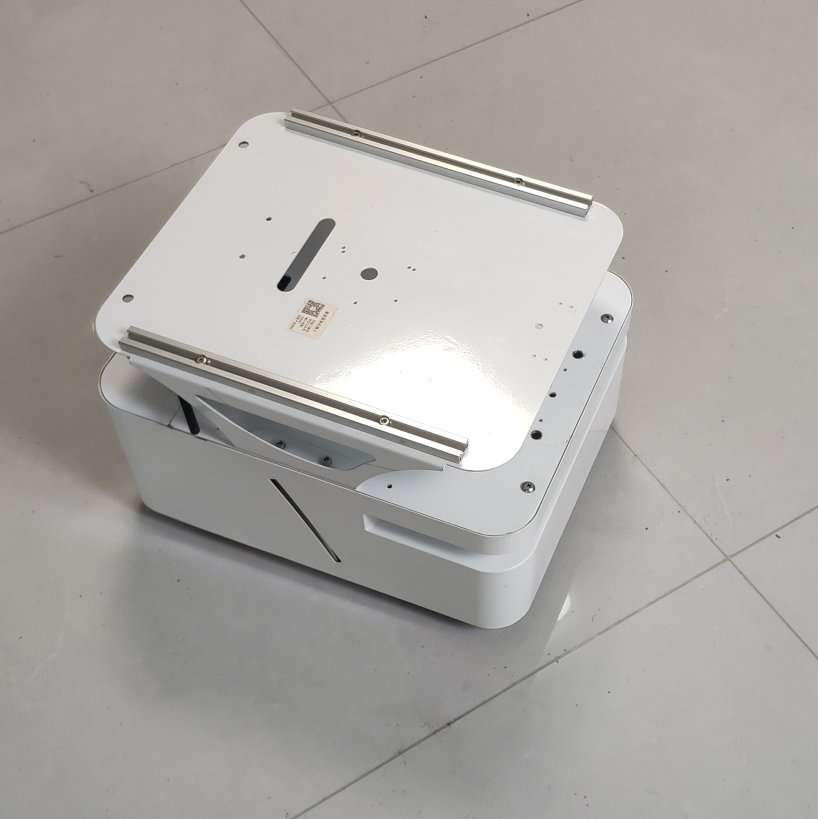
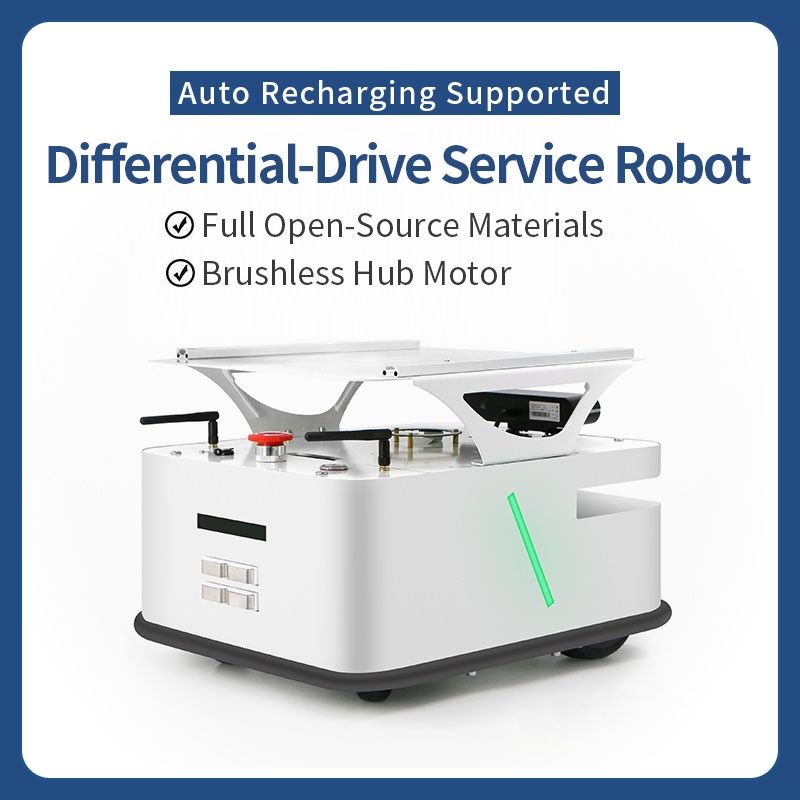
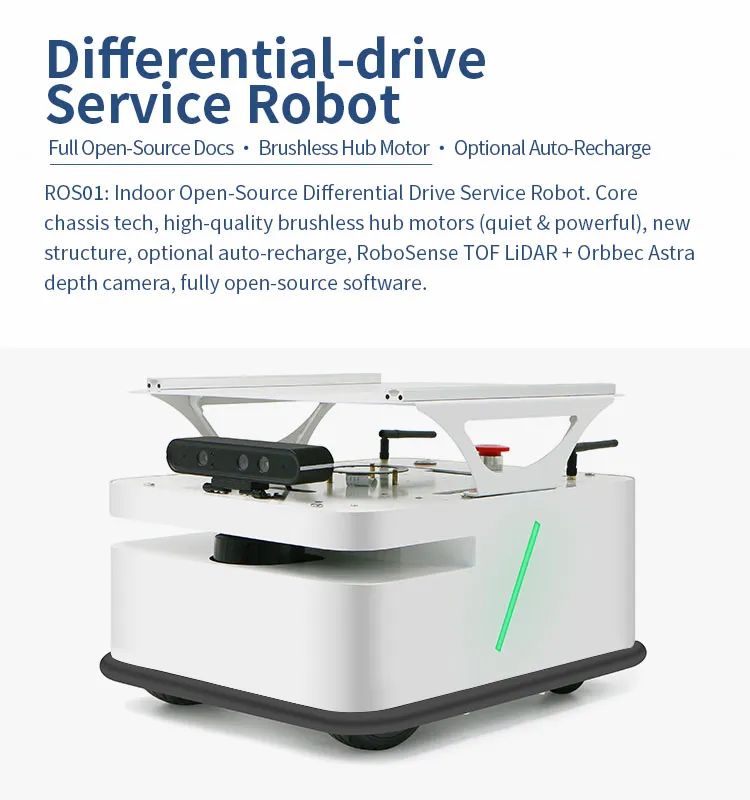
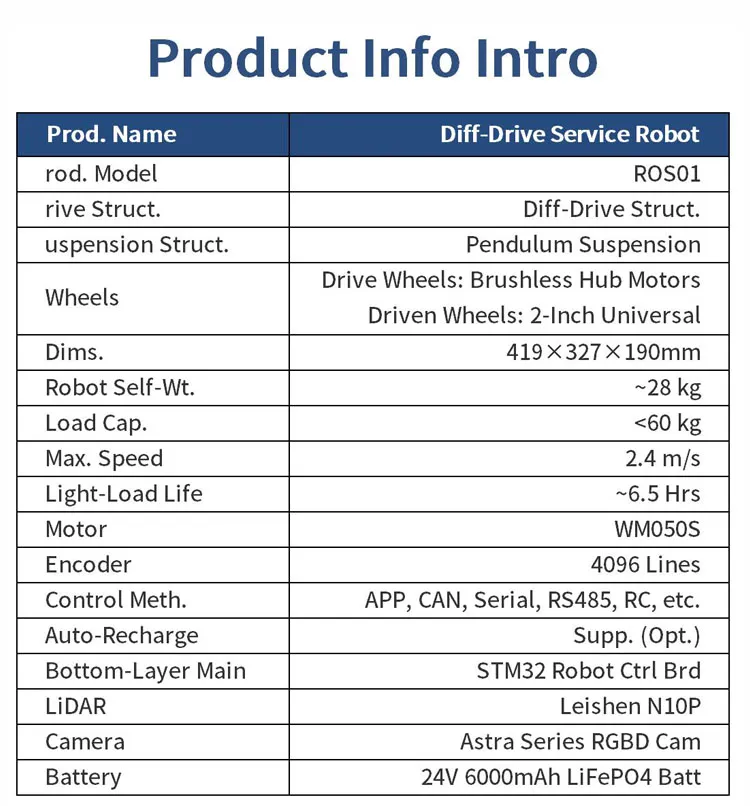
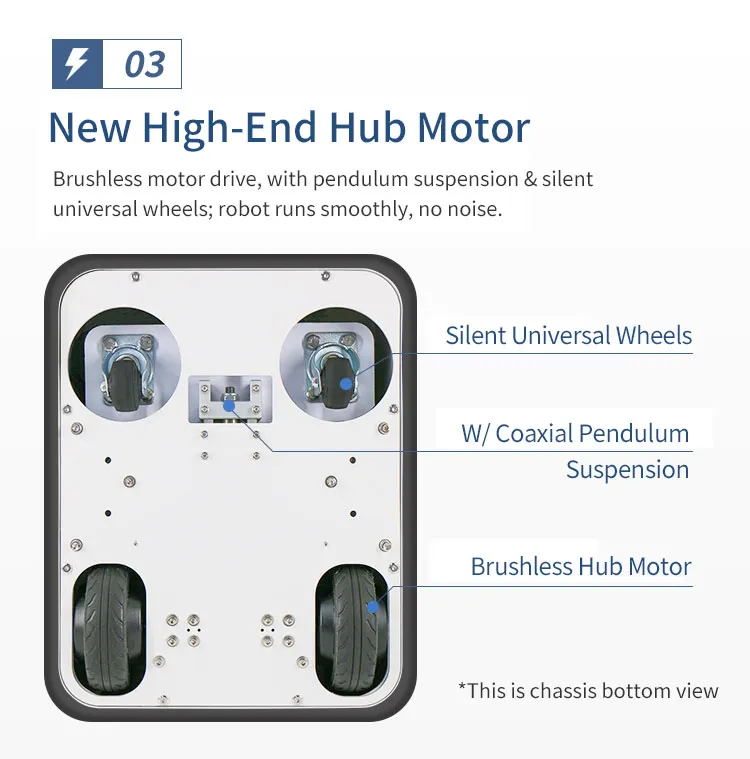
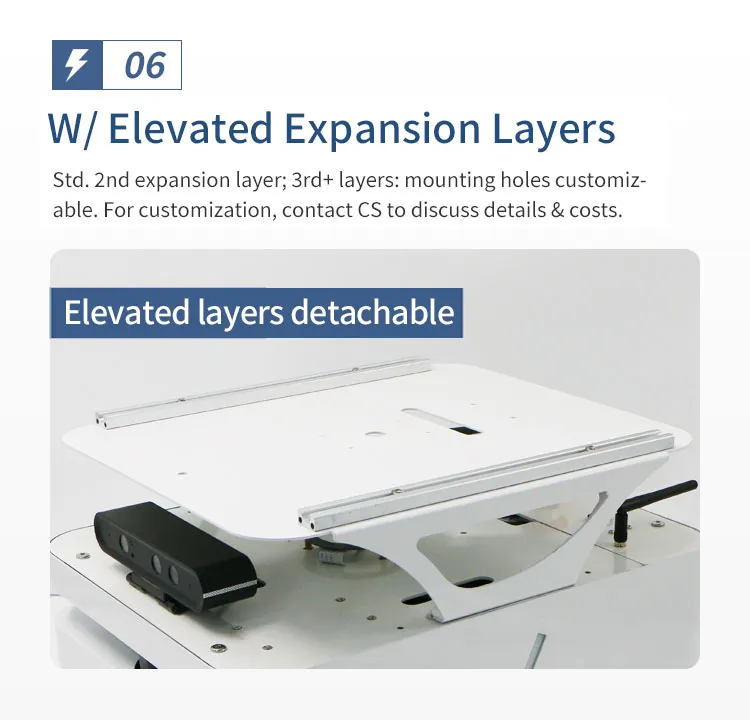
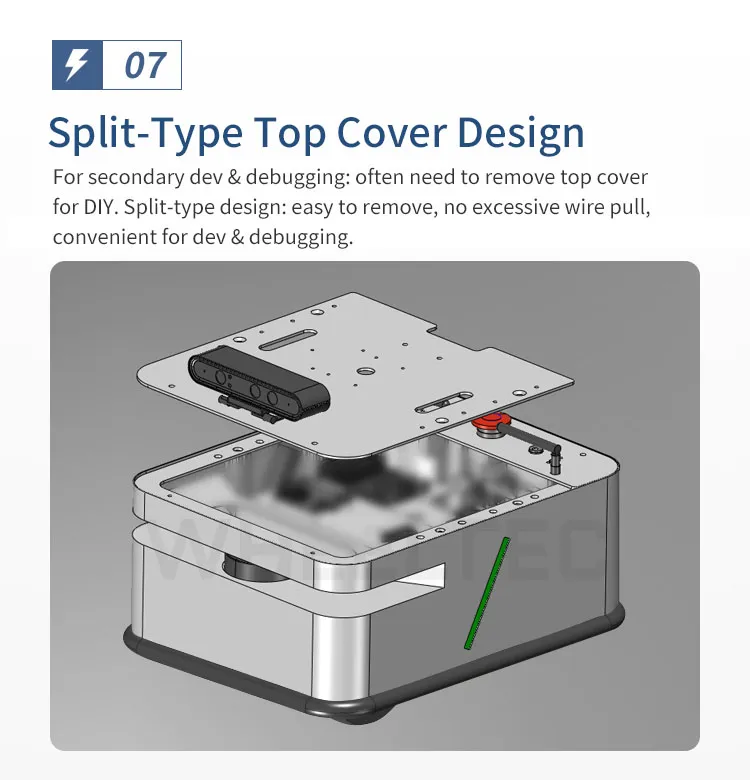
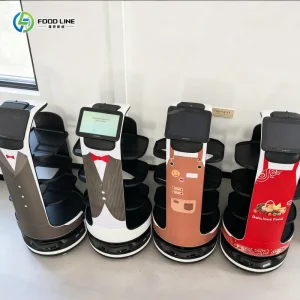
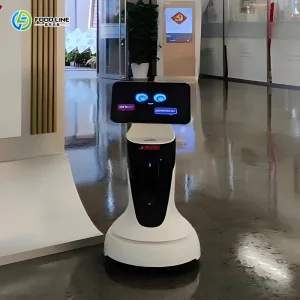
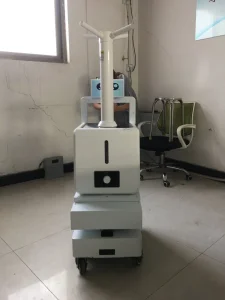
The chassis of a robot refers to the bottom frame or base of the robot. It supports the overall structure of the robot, enabling it to move.
●
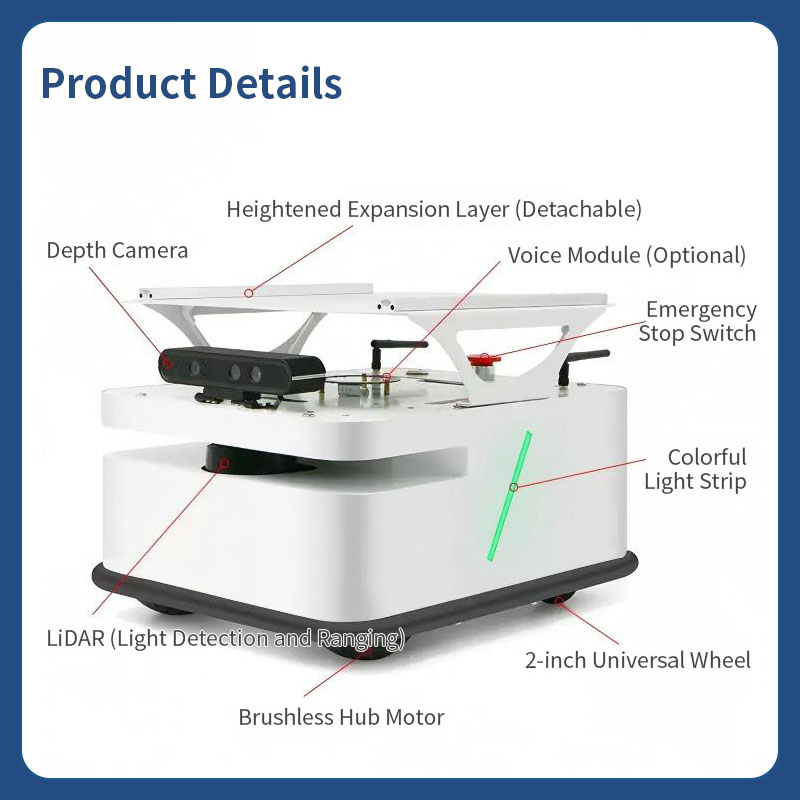
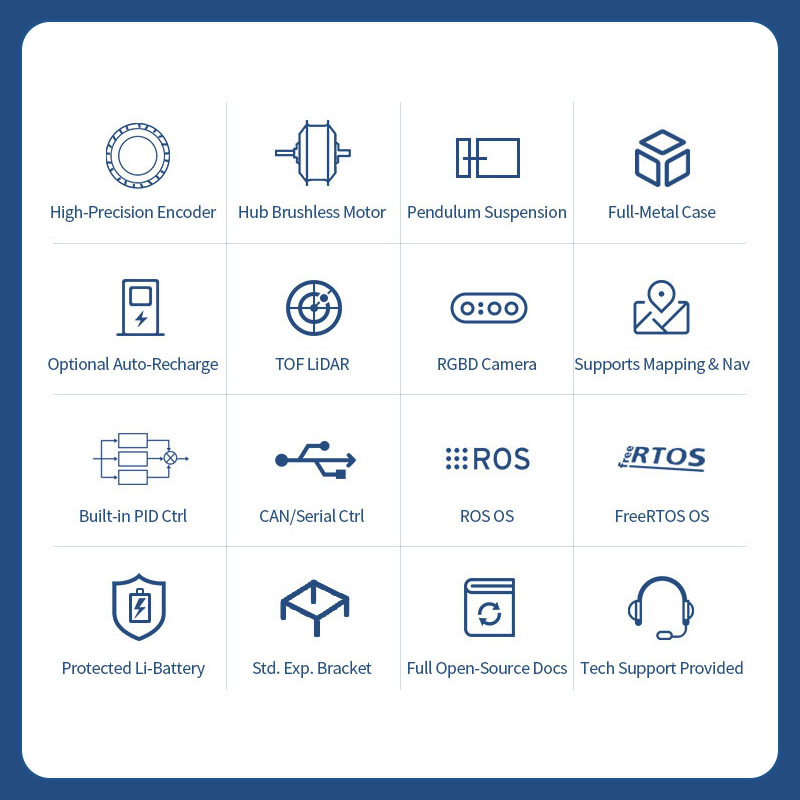
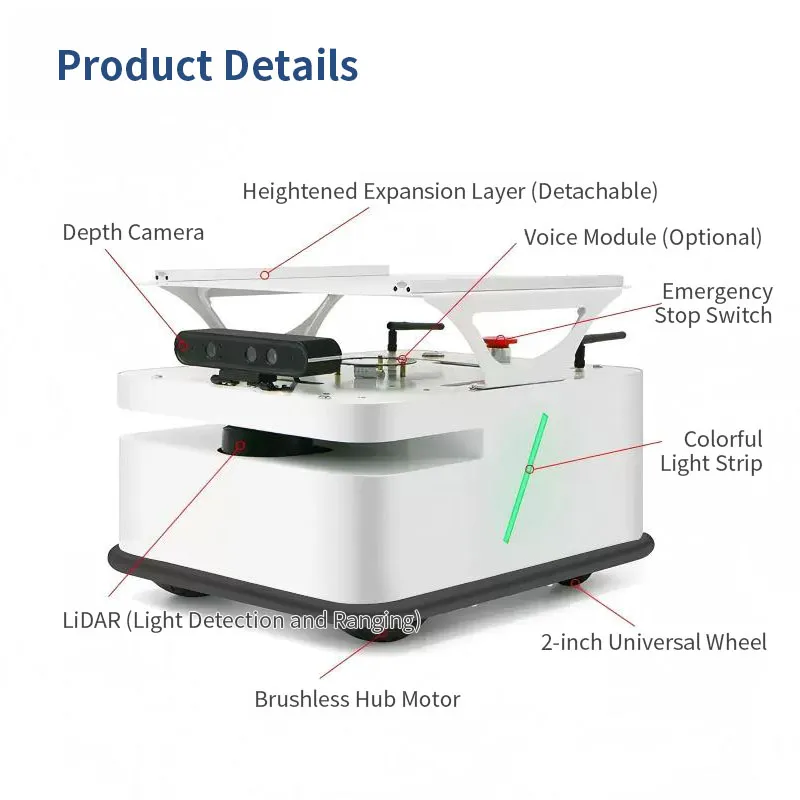
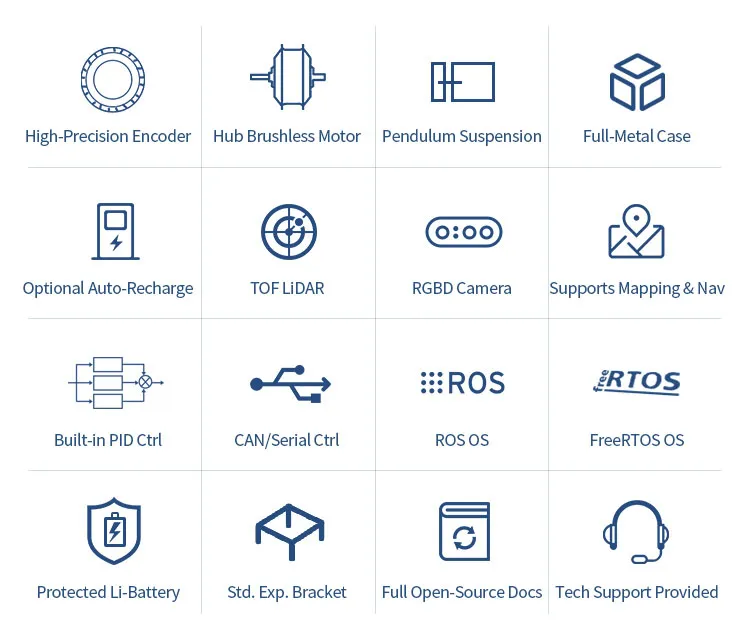
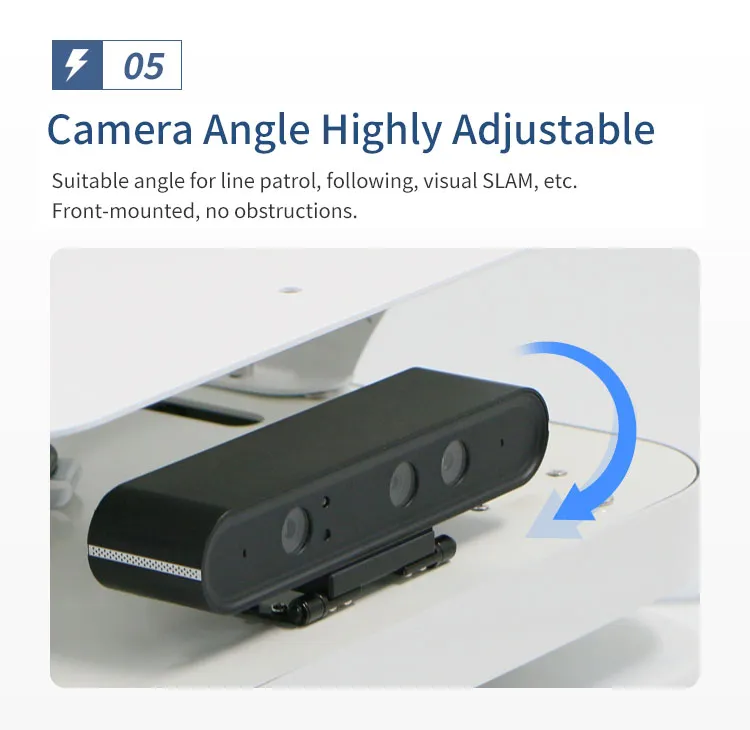
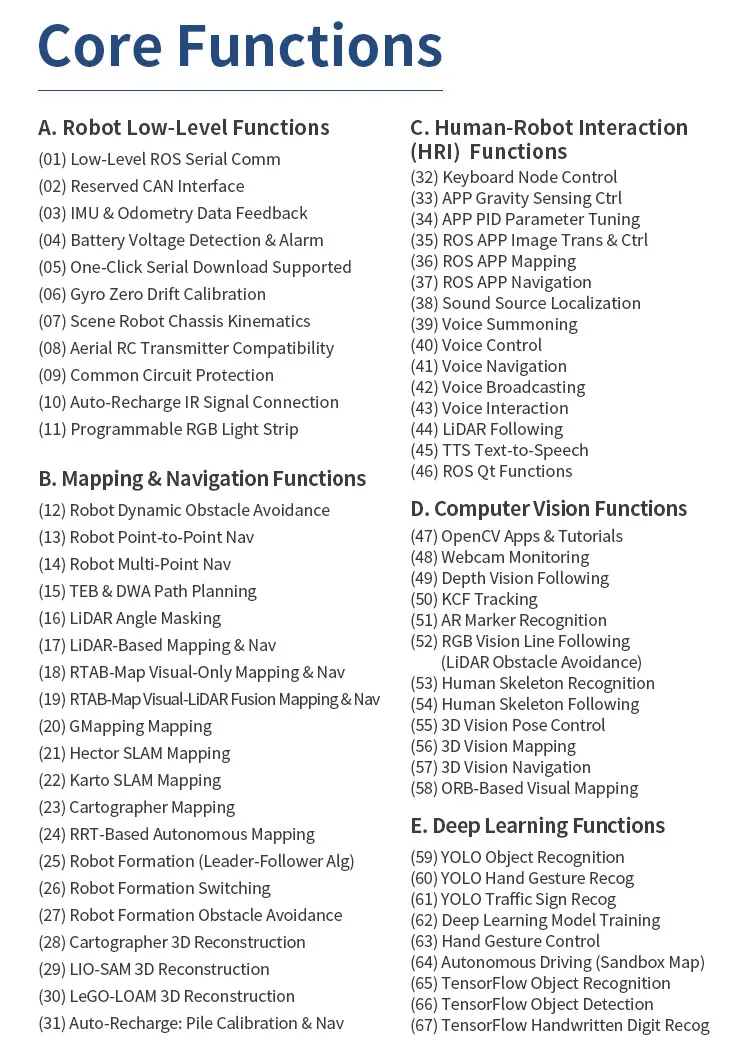
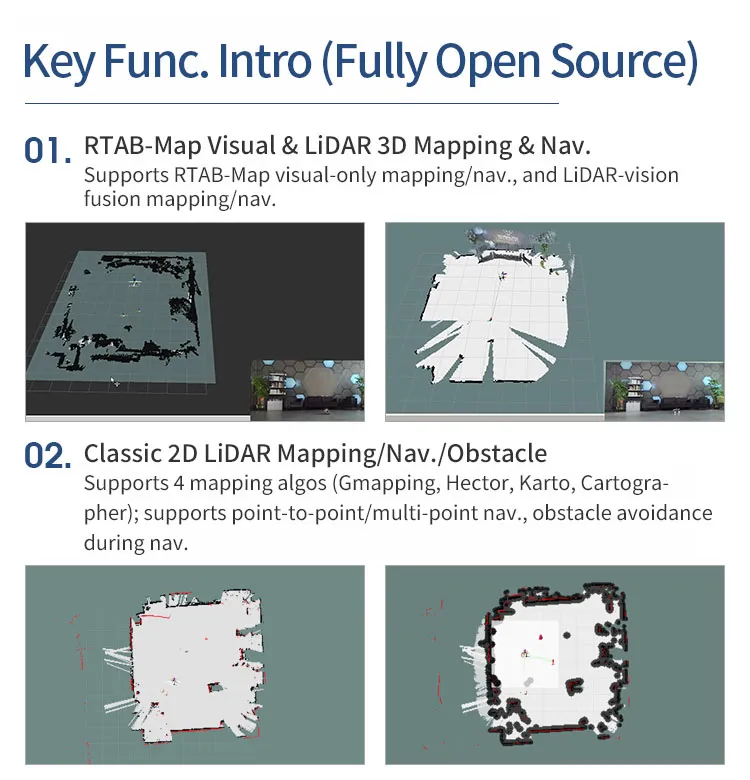
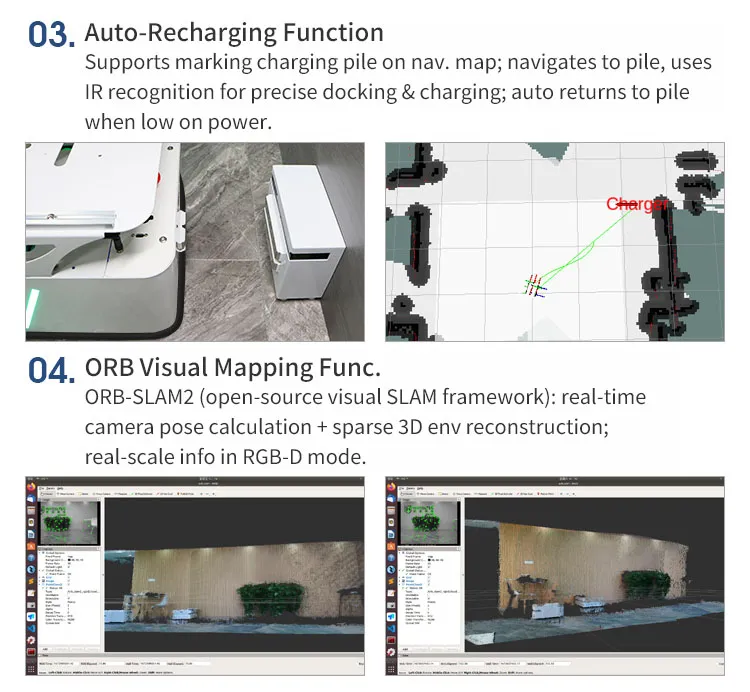
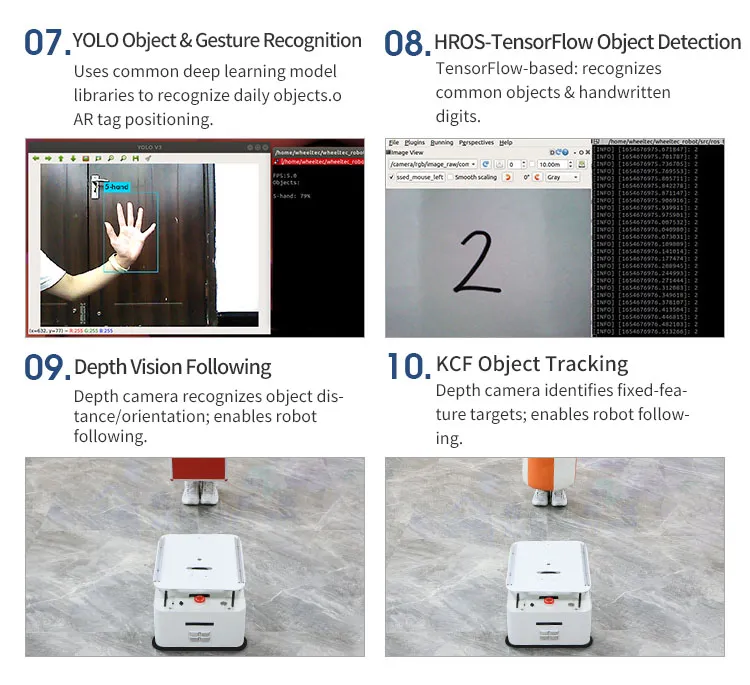
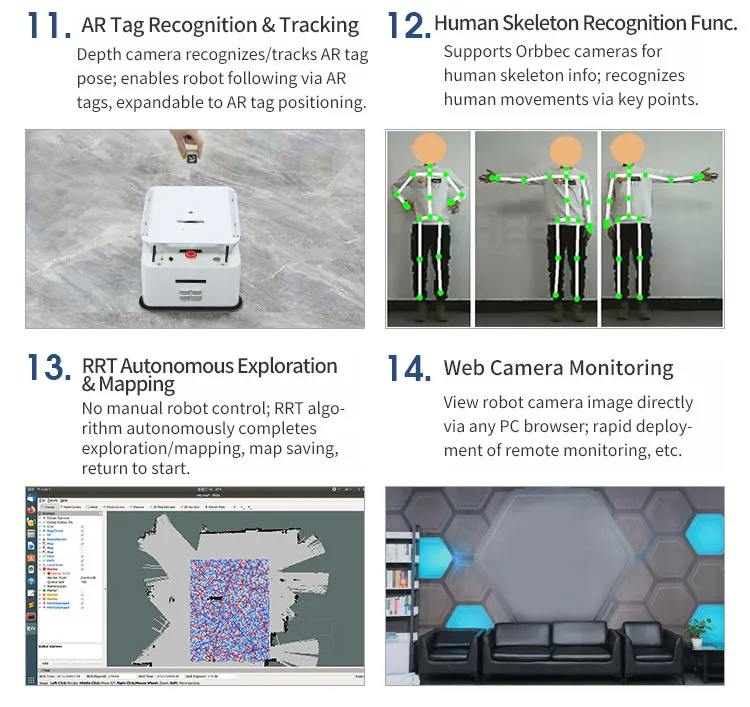
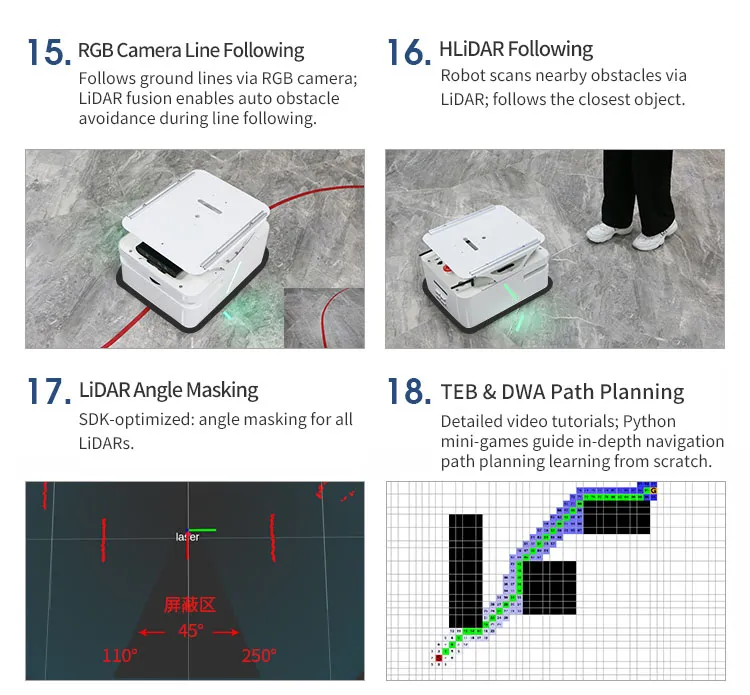
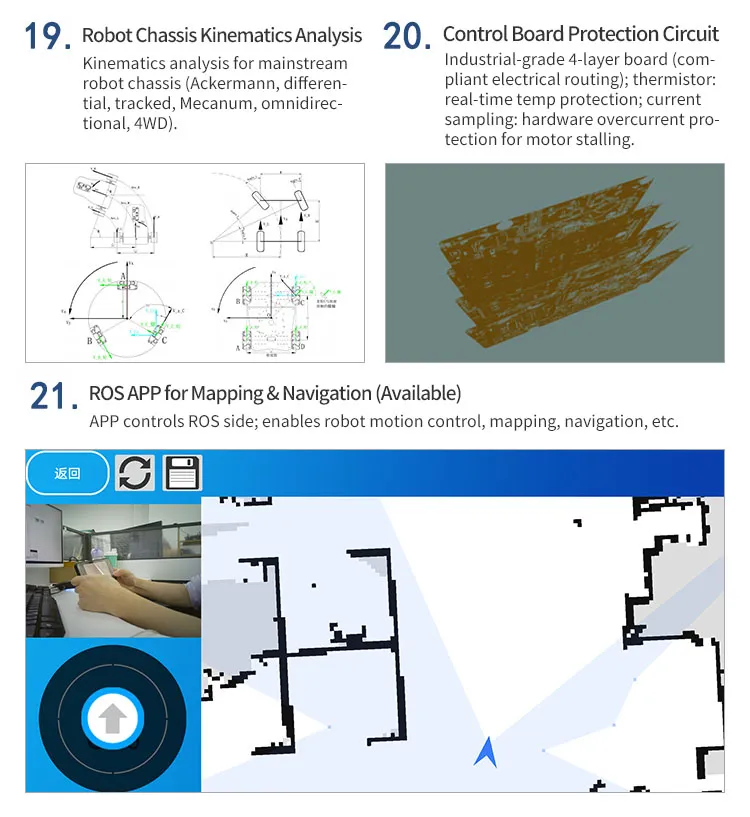
Navigation & Positioning: Equipped with LiDAR + V-SLAM navigation and positioning system, featuring a mature navigation algorithm for precise movement.
●
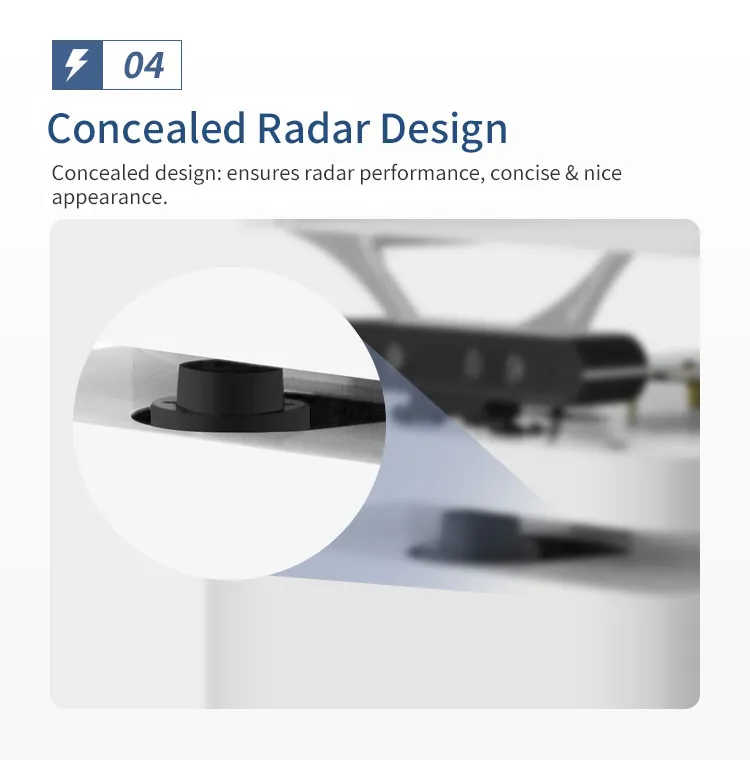
Obstacle Avoidance: Built-in LiDAR obstacle avoidance technology ensures safe operations in dynamic environments.
●
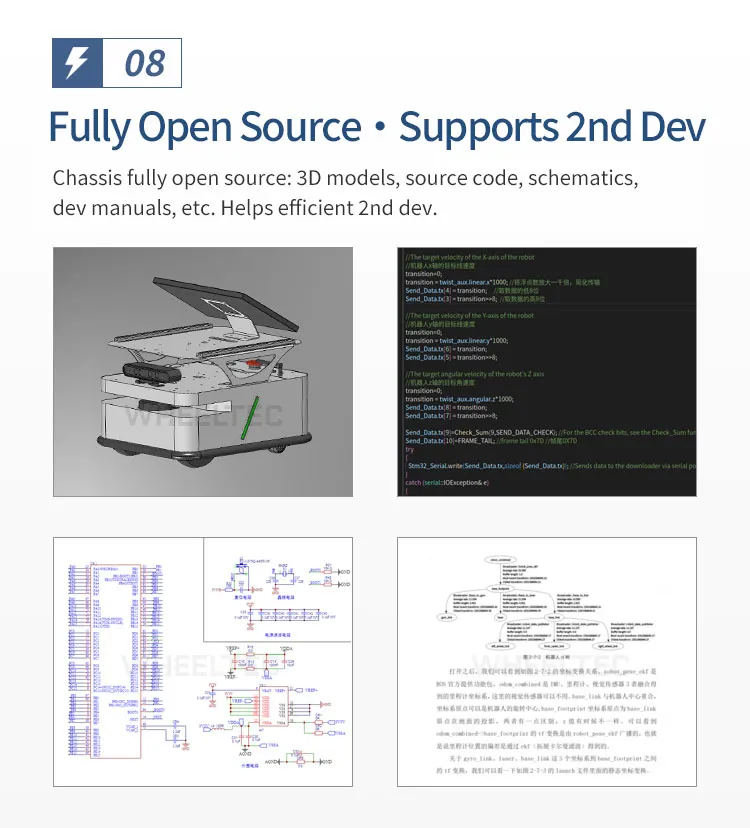
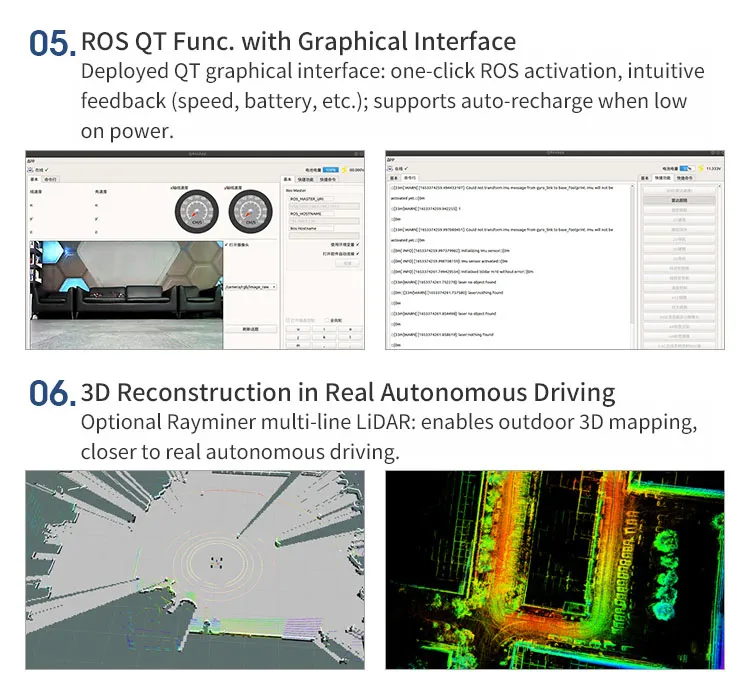
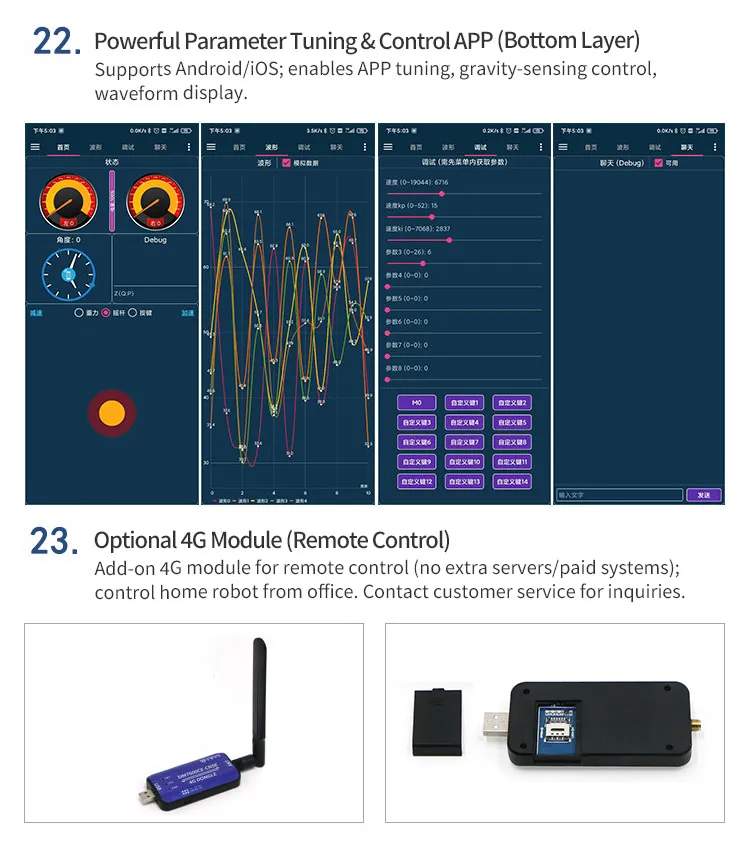
Secondary Development: Provides an open SDK for secondary development, offering excellent scalability for users with development capabilities.
Frequently Asked Questions
Q1: What is the main function of the robot chassis?
The chassis serves as the base structure of the robot, supporting all components and providing the mobility system for navigation and transport tasks.
Q2: Which navigation technologies are used in this platform?
The system utilizes a combination of LiDAR and V-SLAM (Visual Simultaneous Localization and Mapping) for high-precision positioning and autonomous navigation.
Q3: Is the SDK open for custom development?
Yes, a standard SDK interface is provided, allowing developers to perform secondary development and customize the robot's functionality according to specific needs.
Q4: How does the chassis handle obstacles?
It is equipped with LiDAR-based obstacle avoidance sensors and mature algorithms that allow the robot to detect and navigate around obstacles in real-time.
Q5: Can this chassis be used for AGV applications?
Absolutely. This universal chassis is specifically designed for AGV (Automated Guided Vehicle) development, supporting efficient operations in handling and logistics.
Q6: What makes this chassis highly scalable?
Its open architecture and standard SDK allow for the integration of various top-layer applications, sensors, and hardware modules for diverse industrial or service scenarios.
 NovaBot Robot