Explore our premium grade certified automated cleaning machinery, tailored for heavy-duty commercial zones and modern residential smart systems.
Guangzhou NovaBot Robot Co., Ltd. is a professional smart cleaning robot manufacturer specializing in AI robotic vacuum cleaners, intelligent floor cleaning systems, and autonomous sanitation solutions for global residential and commercial markets. Established in 2014 and headquartered in Guangzhou, China, NovaBot has rapidly grown into an innovative technology-driven enterprise integrating research and development, manufacturing, quality control, and international sales.
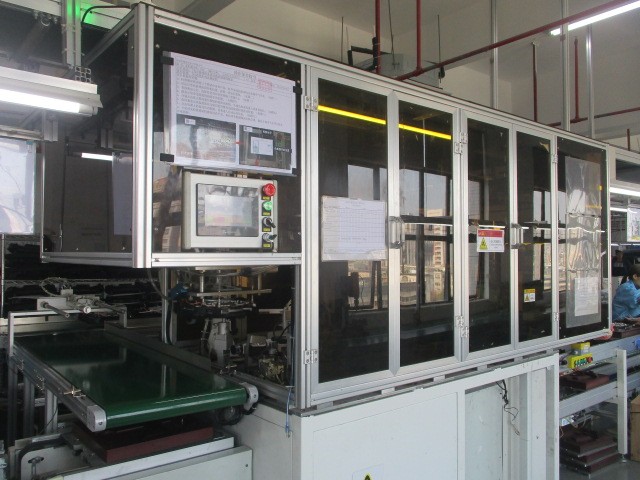
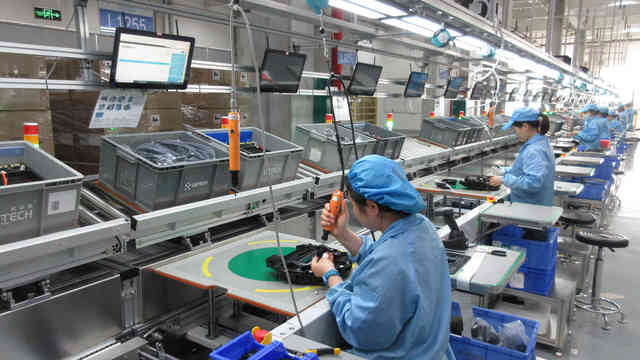
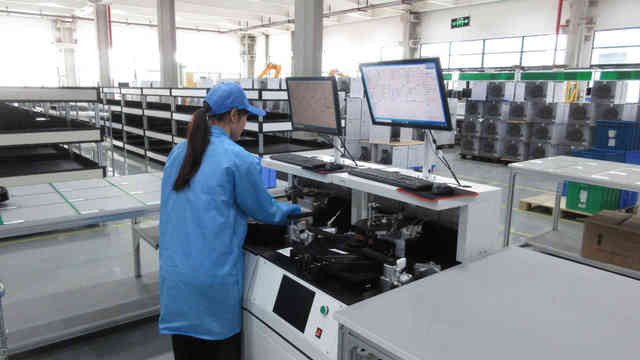
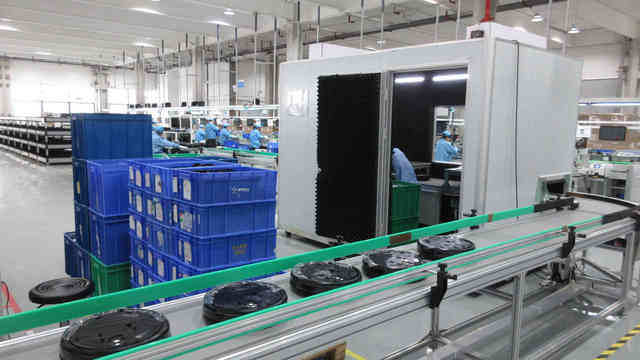
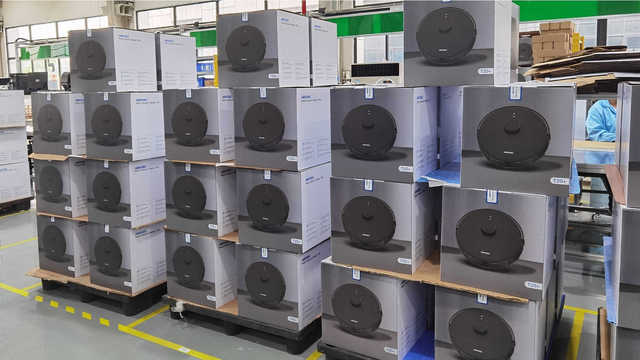
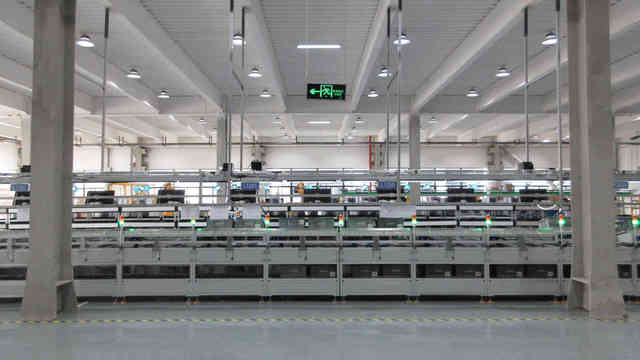
Our operational framework is architected to address the highly demanding parameters of the modern supply chain. The company operates a modern production facility covering over 28,000 square meters with more than 320 skilled employees and 18 automated assembly lines. Equipped with advanced testing laboratories and intelligent manufacturing systems, NovaBot maintains strict quality management standards throughout every stage of production. Annual production capacity exceeds 1.2 million smart cleaning devices, serving distributors, retailers, and OEM/ODM partners across Europe, North America, Southeast Asia, and the Middle East.
Our commitment to quality assurance is validated by international regulatory benchmarks. By obtaining CE certification alongside standard global compliances, NovaBot ensures that every robotic unit shipped meets the stringent occupational health, safety, and environmental protection directives mandated within the European Economic Area (EEA) and beyond. Our engineering labs leverage rigorous stress tests, high-precision calibration chambers, and physical simulated indoor scenarios to stress-test components under extreme operations, guaranteeing high-uptime field results.
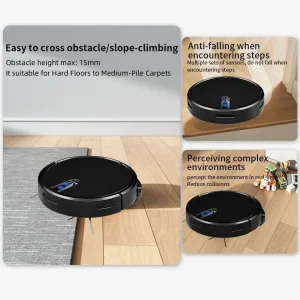
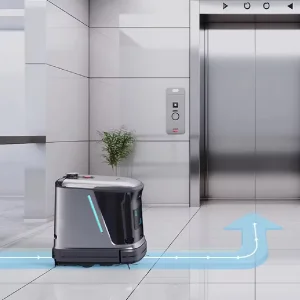
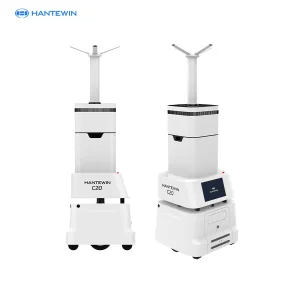
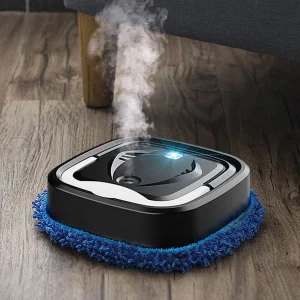
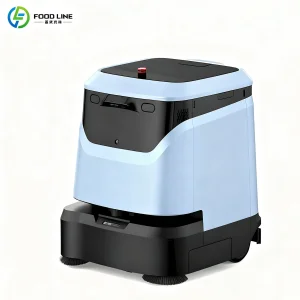
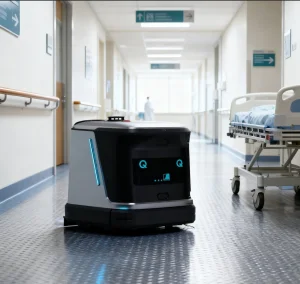
NovaBot’s product portfolio includes robotic vacuum cleaners, smart mop robots, AI-powered floor scrubbers, UV sterilization cleaning robots, commercial autonomous cleaning machines, and customized intelligent sanitation equipment. By combining advanced navigation technology, LiDAR mapping systems, IoT connectivity, and energy-efficient designs, the company delivers reliable and user-friendly cleaning solutions for homes, offices, hotels, hospitals, shopping centers, and industrial facilities.

The global cleaning industry is undergoing a monumental paradigm shift. Propelled by labor shortages, rising operational costs, and the absolute necessity for verifiable hygiene, autonomous floor care has transitioned from an experimental asset to a mission-critical infrastructure component. Factories, distribution hubs, airports, and corporate complexes are adopting robotic fleets to optimize operations. According to recent industrial data, manual floor care accounts for up to 80% of a facility's overall maintenance budget—a figure that is heavily mitigated through autonomous path planning and high-capacity battery architectures.
For B2B buyers and importers, sourcing a CE-certified robotic floor cleaner is no longer just a regulatory preference; it is a vital shield against liability. CE mark compliance indicates that the equipment conforms with European directives on electromagnetic compatibility (EMC), low voltage safety (LVD), and machinery safety guidelines. This gives distributors absolute assurance that these complex systems, featuring high-speed rotating brushes and high-torque motors, are safe to operate alongside human personnel.
Addresses recruitment bottlenecks and rising minimum wages by reallocating human capital to complex supervisory functions.
Digital tracking through IoT dashboards yields comprehensive telemetry, providing proof-of-work maps to verify cleanliness levels.
Intelligent dosing systems regulate water and surfactant consumption, reducing chemical footprint by up to 50% globally.
The core value of an industrial robotic floor cleaner lies in its navigational autonomy. NovaBot utilizes a hybrid sensory fusion stack to guarantee absolute operational safety and precision:
To maximize efficiency, sanitation systems must be optimized for their local environments. Here is how NovaBot addresses diverse high-demand enterprise environments:
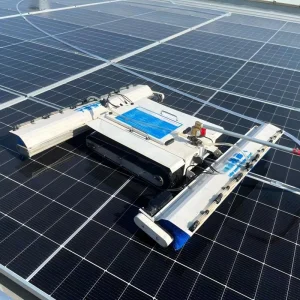
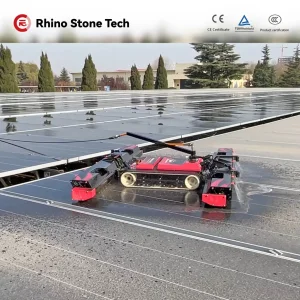
Modern utility-scale solar farms lose up to 25% of energy conversion efficiency due to dust and sand accumulation. Our specialized solar panel cleaning robots use specialized dry-sweeping and wet-cleaning systems to clean panel strings without micro-cracking risk.
Logistics facilities accumulate fine wood fibers, plastic wraps, and concrete dust. High-suction industrial vacuum robots handle concrete, epoxy, and heavy asphalt surfaces, featuring large debris bins and reinforced dust filtration.
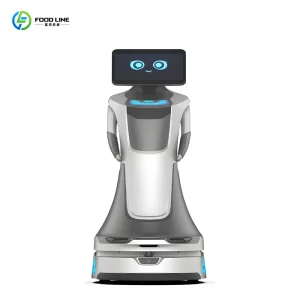
For high-traffic hotels and retail environments, aesthetics and safety are key. Our service and welcoming robots act as helpful receptionists while our low-noise compact floor scrubbers operate autonomously behind the scenes.
By offering end-to-end integration, NovaBot provides more than just machinery. We deliver complete sanitation strategies. Our systems connect to building management dashboards (via open APIs), enabling centralized operational analysis. This helps facility directors run cleaning cycles during off-peak hours (such as midnight hotel shifts or factory downtime), lowering human management overhead to almost zero.
Get professional insights on regulatory compliance, electrical engineering safety, and implementation logistics for industrial robot cleaners.
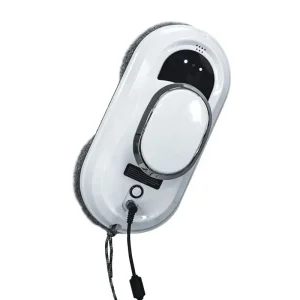
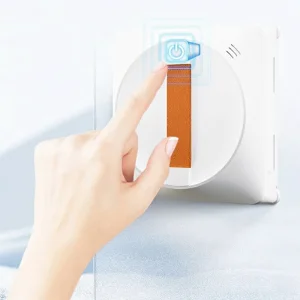
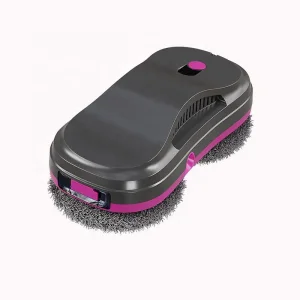
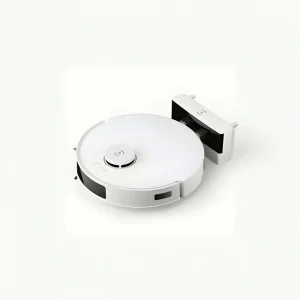
Explore our specialized range of high-efficiency window, solar panel, and sanitizing robotic platforms.
 NovaBot Robot