
The global sanitation sector is undergoing a profound structural evolution. Traditional facility management models, historically reliant on manual operations, are confronting unprecedented labor shortages, surging wage costs, and increasing regulatory pressure for verified hygiene metrics. Modern enterprises can no longer treat cleanliness as a secondary operational task. Instead, it has become a critical link in corporate efficiency, workplace safety, and public health metrics. As a result, the transition toward intelligent automation is rapidly accelerating.
Modern remote-controlled cleaning robots and autonomous sanitation systems represent a major leap in operational technology. Beyond simple replacement of human labor, these units introduce deterministic performance, data telemetry, and predictable operating costs. For specialized facilities—such as high-voltage photovoltaic solar installations, commercial skyscrapers, deep-storage industrial warehouses, and clinical healthcare institutions—robotic deployment is the only viable pathway to achieve continuous maintenance cycles at scale without exposing human operators to hazardous environments.
By integrating multi-spectral sensor arrays (including solid-state LiDAR, ultrasonic transceivers, and depth cameras) with advanced SLAM spatial computing, modern automated platforms map, analyze, and optimize cleaning runs in real-time. This level of autonomy eliminates human error, significantly lowers municipal water and chemical waste, and delivers consistent results. Through IoT gateways, operations managers can remotely inspect performance metrics, adjust route densities, and monitor machine battery metrics across an entire portfolio from a single dashboard.
Guangzhou NovaBot Robot Co., Ltd. sits at the absolute center of this structural change. By marrying robust mechanical hardware with custom software, we build platforms that solve physical operational problems. Our designs leverage the deep electronics and industrial supply chain of Southern China to build reliable, high-performance equipment that remains highly cost-effective for global distributors and enterprise end-users.
Dynamic LiDAR-based SLAM mapping allows machines to navigate dynamic workspaces safely, planning clean paths around shifting obstacles and busy pedestrian corridors.
On-site data proves that replacing manual crews with hybrid robotic assets reduces long-term operational expenditures (OpEx) by up to 55%, with an average capital payback period of 10 to 14 months.
Proprietary cloud connectivity enables remote monitoring, scheduled dispatches, over-the-air (OTA) software updates, and predictive diagnostics to maintain continuous uptime.
Established in 2014 and headquartered in Guangzhou, China, Guangzhou NovaBot Robot Co., Ltd. is a leading manufacturer specializing in AI robotic vacuum cleaners, intelligent floor cleaning systems, and autonomous sanitation solutions. Over the past decade, the company has grown into an innovative, technology-driven enterprise. By keeping research & development, mass manufacturing, strict quality control, and international sales in-house, we retain absolute authority over the entire product lifecycle.
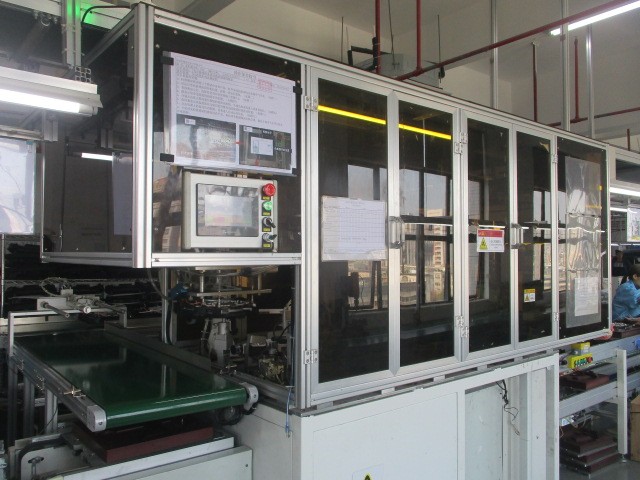
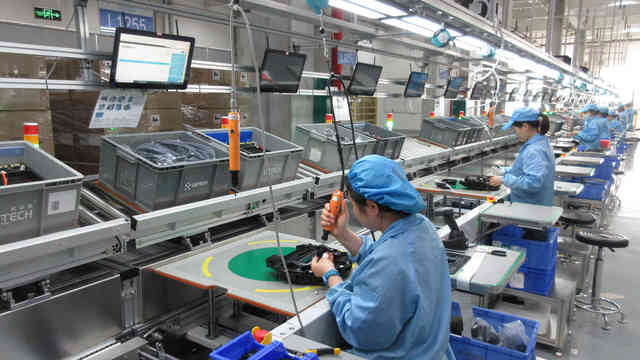
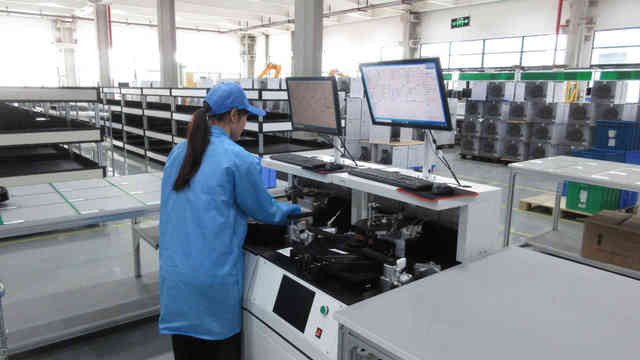
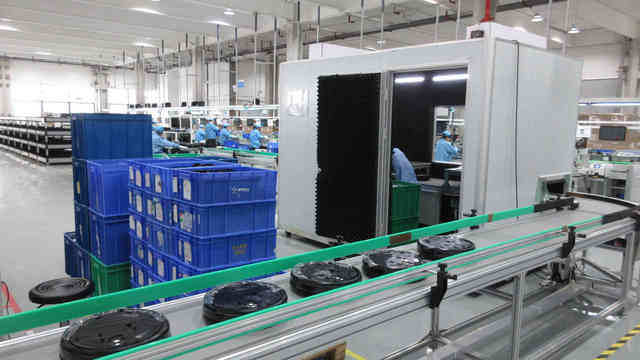
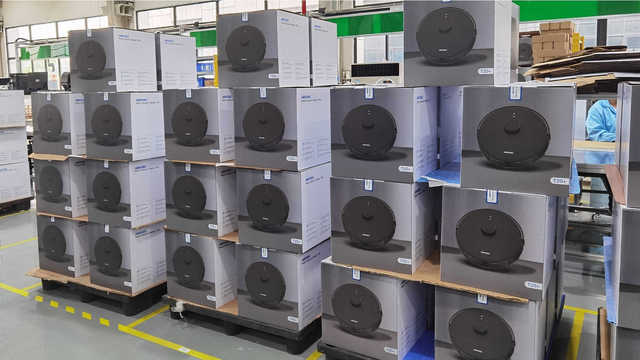
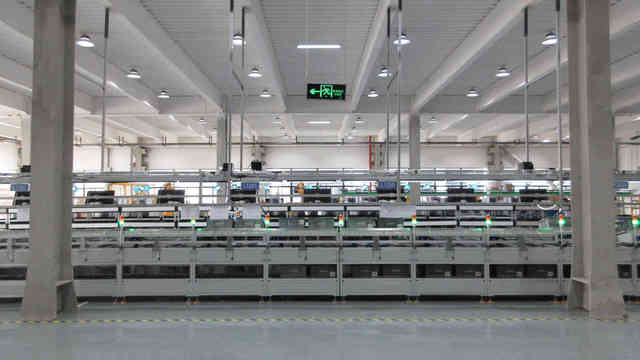
NovaBot operates a state-of-the-art production facility covering over 28,000 square meters, staffed by more than 320 skilled employees and powered by 18 automated assembly lines. Our facility includes advanced testing laboratories and intelligent manufacturing execution systems (MES) to maintain strict quality standards throughout production. With an annual production capacity exceeding 1.2 million smart cleaning devices, NovaBot is a trusted partner for distributors, retailers, and OEM/ODM clients across Europe, North America, Southeast Asia, and the Middle East.
Our strategic location in Guangzhou places NovaBot at the center of the world's most robust electronics and robotics supply chain. This physical proximity gives us immediate access to high-grade components, including advanced silicon chips, high-capacity battery cells, premium optical sensors, and precision motors. This location allows us to accelerate research cycles, rapidly iterate designs, and compress manufacturing lead times, passing significant cost savings along to our customers.
By combining advanced navigation technology, LiDAR mapping systems, IoT connectivity, and energy-efficient designs, NovaBot delivers reliable and user-friendly cleaning systems. Whether engineering custom designs or manufacturing high-volume product lines, our facility is optimized to build rugged, dependable products that stand up to continuous commercial use.
NovaBot's hardware and software are built for industrial-grade performance. Every machine in our fleet integrates key structural features designed for high efficiency, safety, and reliability.
Our dual-channel SLAM integration couples high-frequency laser telemetry with optical visual odometry, maintaining precise localization even in large, open, or featureless spaces like warehouses and transit hubs.
An intuitive operator dashboard allows managers to dispatch fleets, customize cleaning patterns, set exclusion zones, and track productivity metrics across multiple locations simultaneously.
Dynamic pressure and flow sensors automatically detect surface transitions (such as carpet-to-concrete shifts), adjusting brush torque, vacuum suction, and water flow to match the environment.
Expanding robotic automation globally requires rigorous adherence to local regulations and safety standards. At NovaBot, we build compliance into the design process. Our equipment holds key international certifications—including CE, FCC, RoHS, and UL—allowing our products to seamlessly integrate into high-standard commercial environments worldwide.
We prioritize local operational support for our distributors and enterprise partners. NovaBot provides comprehensive developer tools, open APIs, and detailed SDK documentation, allowing clients to integrate our robots into their existing building management systems (BMS), facility ERPs, and industrial smart networks.
Additionally, we protect enterprise data privacy. Our software runs on secured local servers and compliant cloud networks, ensuring that operational logs and spatial maps of client facilities are fully encrypted and never leaked.
To keep units running smoothly, NovaBot maintains a global network of certified service partners. We support them with structured training programs, detailed spare-parts inventories, and remote technical assistance, ensuring minimal downtime for end-users.
Full conformance to European Machinery Directives, FCC emissions limits, RoHS hazardous materials constraints, and UL safety standards ensures safe deployment in classrooms, offices, and factories.
Flexible manufacturing lines support customized branding, specific sensor additions, and specialized hardware updates, backed by remote engineering support and local spare-parts logistics.
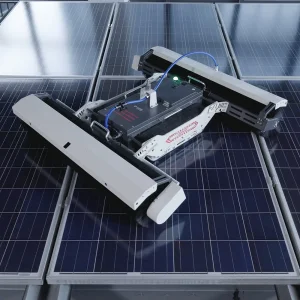
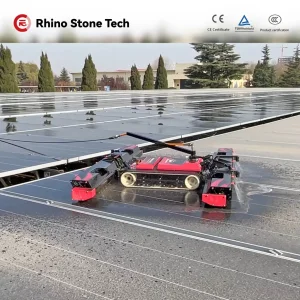
Dust accumulation on photovoltaic panels can degrade energy yields by up to 25%. Our track-driven remote cleaning systems remove dirt and debris without using excess water, protecting panel surfaces and maximizing energy output.
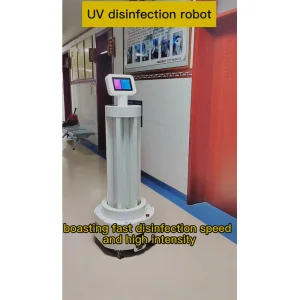
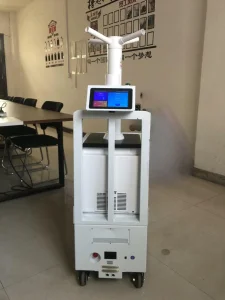
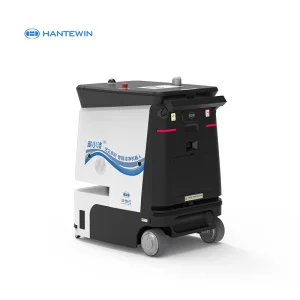
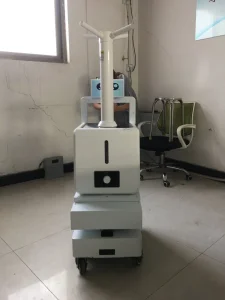
Sterile environments require strict sanitation protocol. Our UV sterilization and misting disinfectant units run autonomously, disinfecting rooms and corridors to eliminate pathogens without requiring chemical contact for staff.
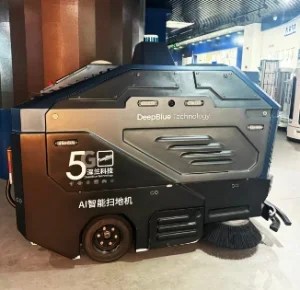
Heavy dust in large storage facilities is a constant challenge. Our heavy-duty industrial sweepers run through tight aisles, picking up fine concrete dust and debris to protect inventory and improve workplace safety.
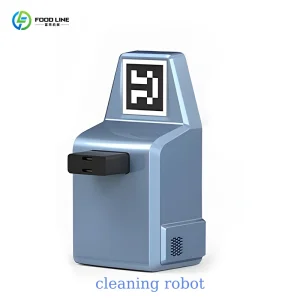
High-rise buildings benefit from quiet, intelligent floor scrubbers. Operating at low decibel levels, these units navigate around furniture and office occupants to keep lobbies and office floors clean during business hours.
High-traffic areas require constant, unobtrusive cleaning. Our autonomous scrubbers map out high-traffic zones, adapting their paths to avoid shoppers and travelers while maintaining clean floors.
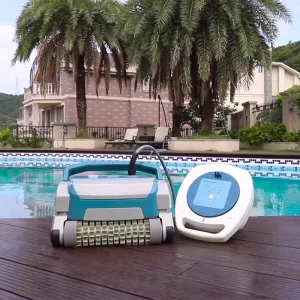
Aquatic facilities require regular debris removal to maintain water balance. Our underwater crawling vacuums scrub pool floors and walls, filtering out algae and sediment to keep water clear and reduce chemical usage.
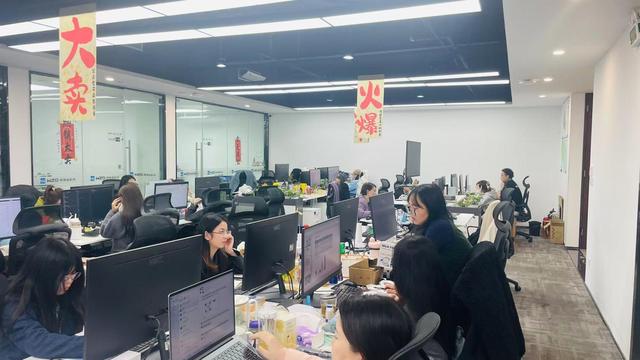
To ensure high quality across our product range, every unit is assembled and tested in our dedicated factory. Take a closer look at our production facility, cleanrooms, testing labs, and assembly floor:
Looking ahead, we see key technological trends shaping the future of autonomous cleaning. A primary driver is the adoption of Solid-State LiDAR and advanced AI Vision Recognition. Unlike older systems that only detect large obstacles, next-generation units use neural networks to identify and categorize objects—distinguishing a trash can from a power cord or a person—and dynamically adjust their path or cleaning intensity as needed.
Another major trend is the development of Multi-Agent Collaborative Systems. Instead of operating in isolation, fleets of specialized robots can communicate via cloud platforms. For example, a sweeping robot can prep a warehouse floor, and then signal a larger scrubbing robot to clean the surface, optimizing resource use and reducing overall cleaning time.
We are also seeing growing demand for Sustainability-Driven Operations. Modern robots must do more than just clean; they must conserve resources. Next-generation systems feature integrated greywater filtration to recycle wash water, high-efficiency motors to reduce power draw, and intelligent chemical dosing to minimize environmental impact.
At NovaBot, we incorporate these industry trends into our product design process. By keeping our development cycles agile, we ensure our clients receive up-to-date technology that helps keep their operations efficient and competitive.
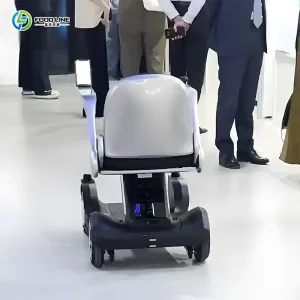
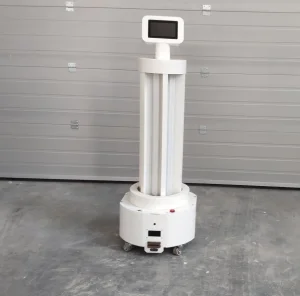
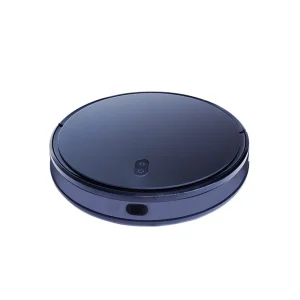
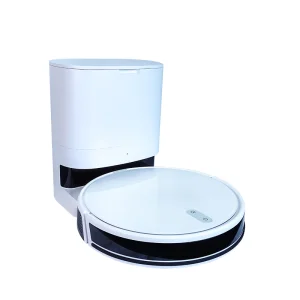
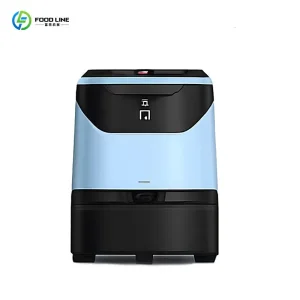
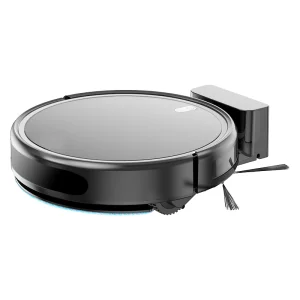
Commercial remote-controlled cleaners are engineered for continuous, multi-shift use in demanding environments. They feature high-capacity batteries, industrial-grade motors, durable materials, and advanced sensor suites for complex navigation. Unlike domestic models, they are designed to clean large areas efficiently and integrate with building management systems for fleet monitoring.
Our robots use a multi-sensor safety system combining LiDAR, depth cameras, and tactile bumpers. This setup allows the units to detect static and dynamic obstacles in real-time, adjusting paths or stopping immediately if a pedestrian steps into their path. They also feature warning lights and audible signals to alert bystanders of their presence.
Yes. Our systems feature open, developer-friendly APIs and SDKs. This allows enterprise clients to connect our robotic fleet to their existing building automation networks, scheduling software, and remote monitoring centers for integrated data management.
Most of our commercial-grade models are equipped with high-capacity Lithium Iron Phosphate (LiFePO4) batteries. These provide between 4 to 6 hours of continuous operation on a single charge and maintain over 80% capacity after 2,000 charge cycles, helping lower long-term replacement costs.
With our 28,000-square-meter facility, dedicated R&D team, and 18 automated assembly lines, we can manage custom projects efficiently. We support modifications ranging from branding and cosmetic changes to custom sensor configurations and specialized cleaning mechanics, ensuring products align with your specific market requirements.
 NovaBot Robot