Leading the transition from manual labor to AI-driven precision sanitation.
The global industrial and commercial pressure washing equipment market is undergoing a profound paradigm shift. Traditionally a labor-intensive sector reliant on manual operators and fossil-fuel-powered pumps, the industry is rapidly transitioning toward Autonomous Pressure Washing Systems (APWS). This evolution is driven by the urgent need for operational efficiency, safety in hazardous environments, and stringent environmental regulations regarding water consumption.
As of 2024, the market for intelligent cleaning robots—a sub-sector that includes specialized high-pressure solar panel cleaners and autonomous floor scrubbers—is projected to grow at a CAGR of 12.4%. Factors such as rising labor costs in North America and Europe, coupled with the "Smart City" initiatives in Asia-Pacific, have positioned Guangzhou NovaBot Robot Co., Ltd. and other leading suppliers at the forefront of this technological frontier.
Strategic growth directors now prioritize Information Gain in their procurement processes, looking beyond simple PSI (pounds per square inch) ratings. They focus on integration capabilities: How does a cleaning robot interface with a facility’s Building Management System (BMS)? What is the precision of its LiDAR-based obstacle avoidance? These are the metrics that define the top 10 suppliers in the current landscape.
Integrating AI, IoT, and High-Performance Fluid Dynamics.
Moving beyond basic sensors, modern equipment utilizes Simultaneous Localization and Mapping (SLAM) with multi-fusion sensors, allowing for sub-centimeter accuracy in complex industrial layouts.
New "Dry-Wet" hybrid systems reduce water consumption by up to 60% by using high-frequency vibration combined with targeted low-volume high-pressure bursts.
Real-time telemetry allows fleet managers to monitor water usage, battery life, and cleaning efficiency across global sites from a single centralized dashboard.
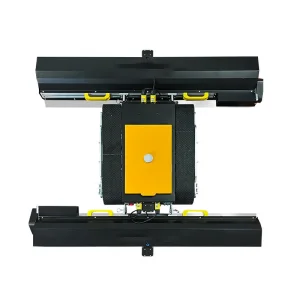
For solar farms and industrial rooftops, caterpillar-track designs and railed cleaning systems ensure stability on gradients up to 35 degrees.
Combining mechanical pressure washing with UV-C sterilization for medical and food-grade environments, creating a dual-action sanitation protocol.
Onboard AI analyzes pump vibrations and motor heat to predict component failure before it occurs, reducing downtime in mission-critical operations.
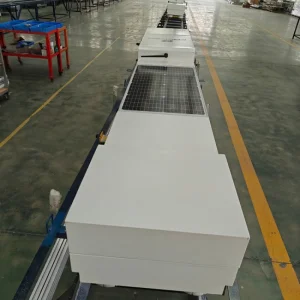
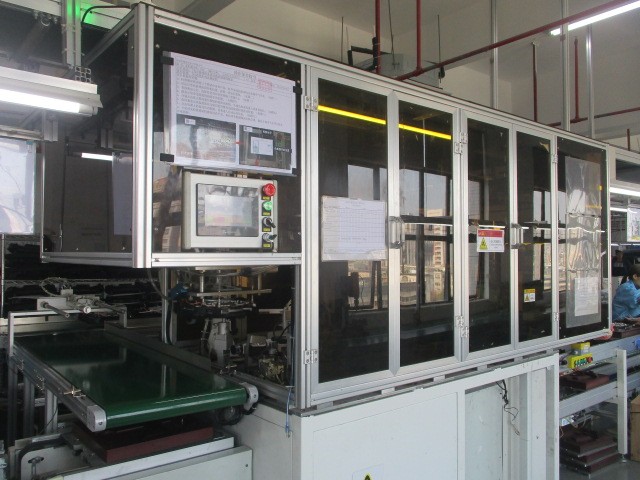
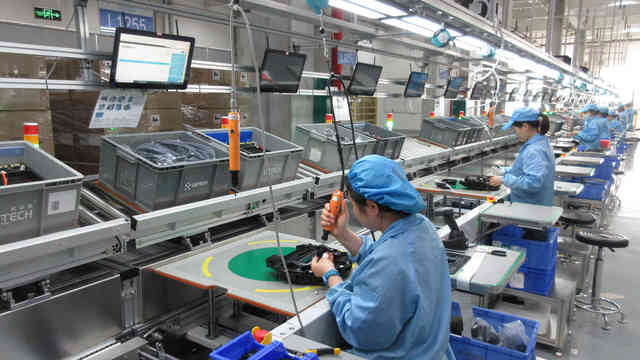
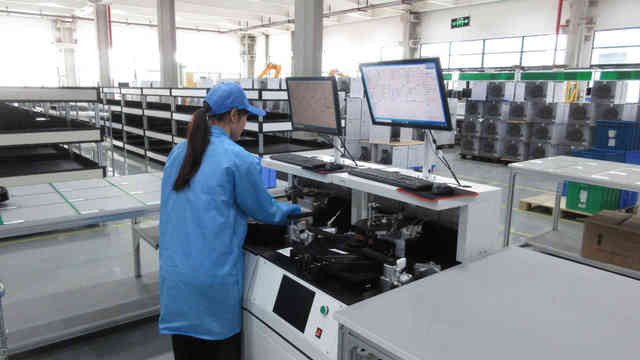
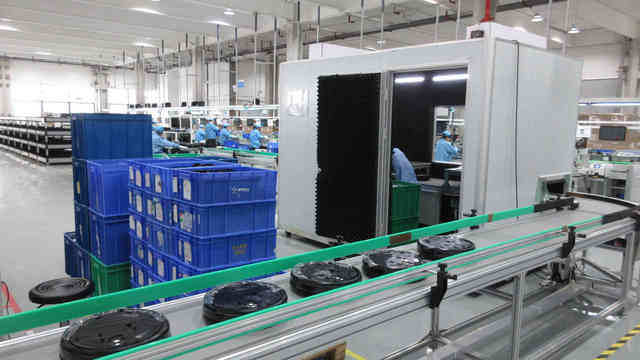
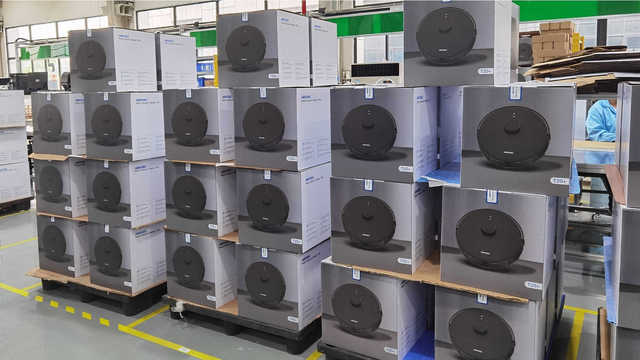
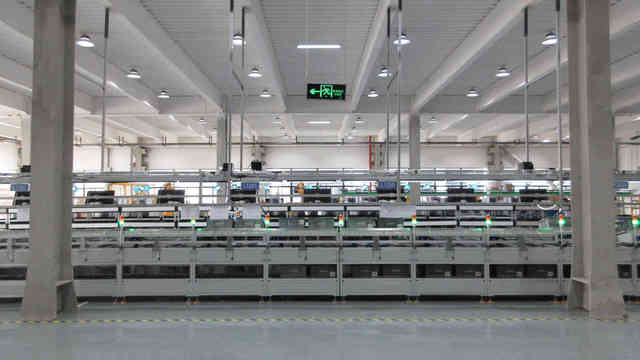
Established in 2014, NovaBot has emerged as a titan in the AI robotic cleaning space. With a 28,000 square meter facility and over 18 automated assembly lines, we bridge the gap between traditional pressure cleaning and the autonomous future.
Deploying specialized technology for diverse commercial landscapes.
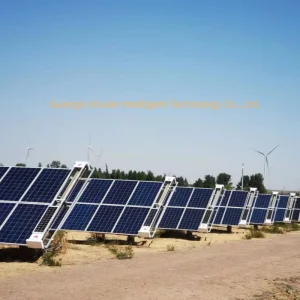
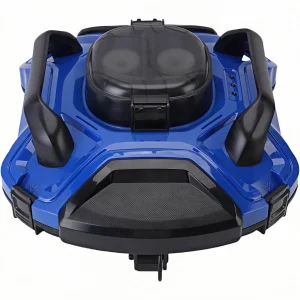
Dust and grime can reduce solar panel efficiency by up to 30%. Our all-terrain railed and remote-controlled robots provide both dry-brushing and high-pressure wet cleaning without micro-cracking the PV cells.
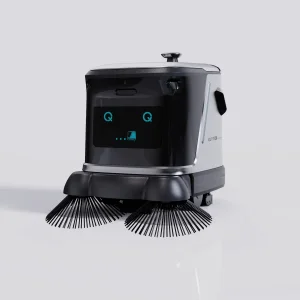
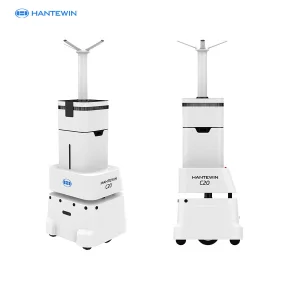
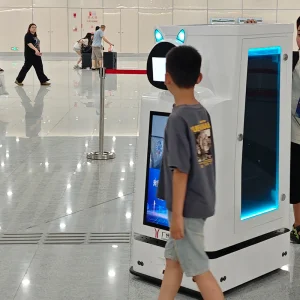
Large-scale facilities require constant sanitation. Autonomous scrubbers integrated with high-pressure nozzles ensure that deep-seated grime and tire marks are removed from epoxy floors without interrupting 24/7 operations.
By combining pressure washing mechanics with UV-C disinfection, our robots provide a "search and destroy" approach to pathogens in hospital corridors and laboratories, ensuring 99.9% sterilization rates.
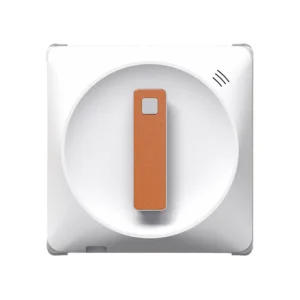
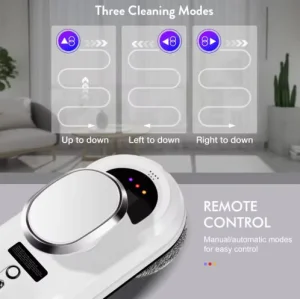
The "HK001" series replaces dangerous manual window cleaning. Utilizing intelligent suction and spray patterns, these units handle vertical high-pressure cleaning on skyscrapers with remote management.
Traditional pressure washers require a human operator to control the wand, leading to inconsistent results and safety risks. Robotic systems use programmed paths and sensors to provide uniform cleaning pressure and 100% coverage without human intervention.
Our robots feature adaptive pressure modules. Whether it's delicate solar glass, hardened industrial concrete, or office carpeting, the AI adjusts the brush torque and water output to match the surface density and debris type.
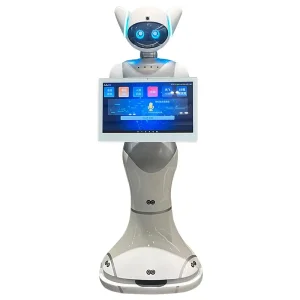
Yes. Our commercial line supports WiFi and IoT connectivity, allowing them to communicate with elevators, automatic doors, and central security hubs for seamless multi-floor navigation.
Most commercial clients see a full ROI within 12-18 months. This is achieved through a 70% reduction in labor costs, lower water and chemical usage, and the extension of facility lifespan through consistent maintenance.
Advanced tools for specific industrial and commercial requirements.
 NovaBot Robot