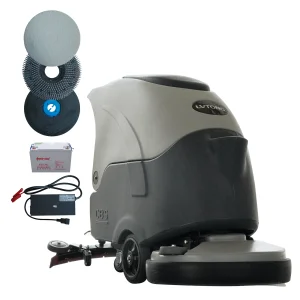
Explore our premium select range of commercial, industrial, and solar-infrastructure autonomous robots, designed to lower energy use and maximize spatial throughput.
In the modern era of commercial property operation, industrial facility management, and green infrastructure oversight, traditional manual sanitation models are facing an unprecedented dual challenge: rising operational costs and strict ESG (Environmental, Social, and Governance) targets. Global facility owners must navigate strict requirements to minimize carbon emissions, cut down on water use, and avoid harsh chemical discharge, all while keeping indoor and outdoor spaces clean.
As a leading innovator, Guangzhou NovaBot Robot Co., Ltd. has designed and refined a dynamic fleet of autonomous eco-friendly cleaning systems that solve these challenges. By integrating advanced navigation, modular mechanical systems, and water-conserving technologies, NovaBot provides enterprise buyers with clean-energy tools that turn environmental compliance into a measurable business benefit.
Established in 2014, Guangzhou NovaBot Robot Co., Ltd. has established itself as an innovative technology-driven enterprise integrating research and development, smart manufacturing, quality control, and international sales.
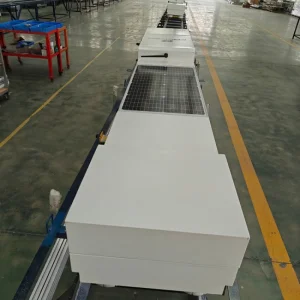
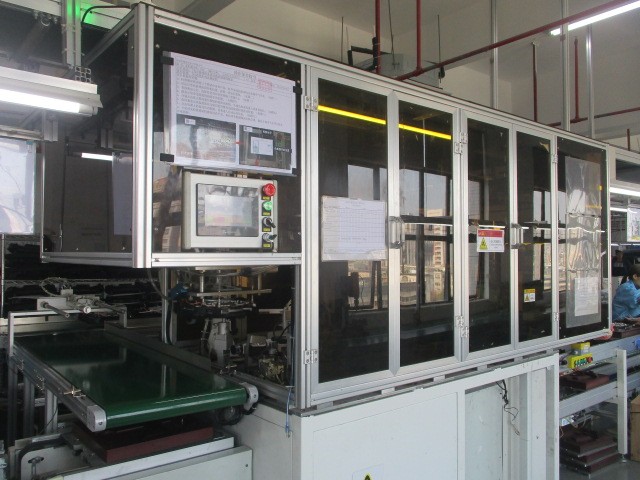
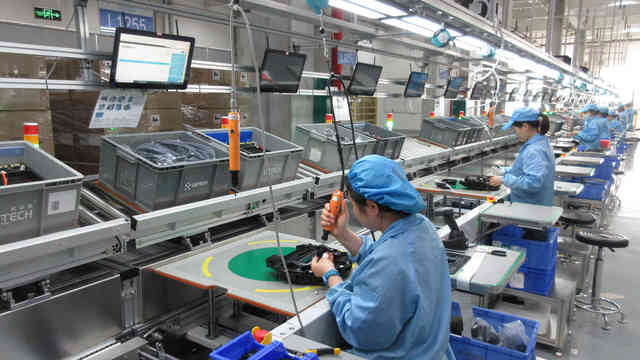
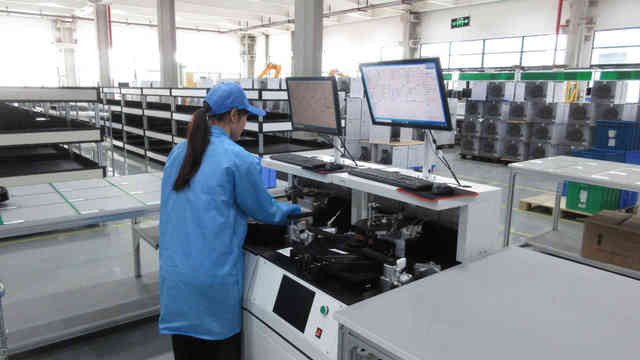
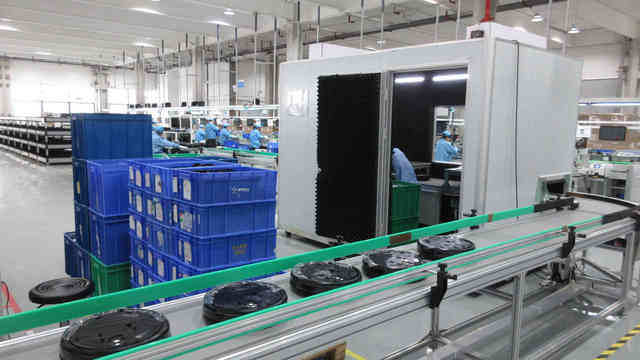
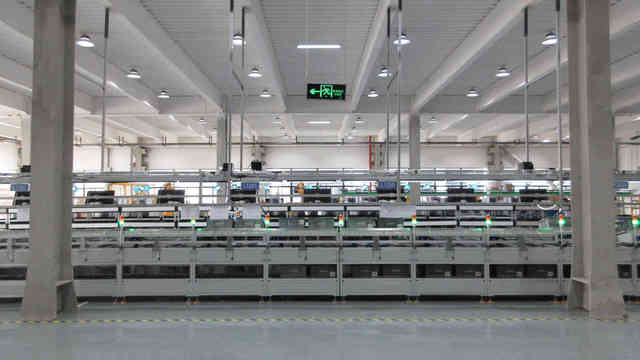
Operating out of our modern facility spanning over 28,000 square meters in Guangzhou, China, we have established 18 automated assembly lines. Our facility includes advanced testing labs, environmental stress simulation chambers, and continuous-run durability tracks to guarantee that every system meets international performance standards before shipment.
Strict Testing Protocols: Every NovaBot robot goes through 120 hours of continuous system checks, laser calibration runs, and liquid safety tests. Our quality management systems align with standard ISO 9001 and ISO 14001 guidelines to maintain strict reliability throughout manufacturing.
With an annual production capacity exceeding 1.2 million smart cleaning devices, NovaBot is a trusted OEM/ODM partner for major companies across Europe, North America, Southeast Asia, and the Middle East. By using eco-friendly materials, long-lasting brushless motors, and energy-conserving microprocessors, we ensure that our manufacturing practices support global sustainable sourcing goals.
Different facilities require specialized autonomous approaches. NovaBot designs dedicated systems to meet specific vertical challenges.
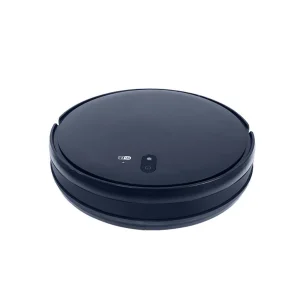
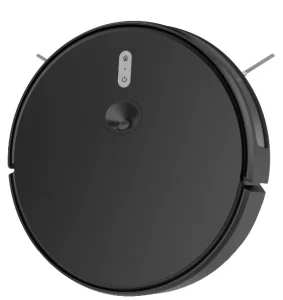
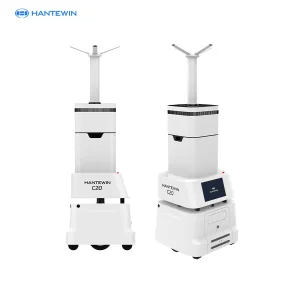
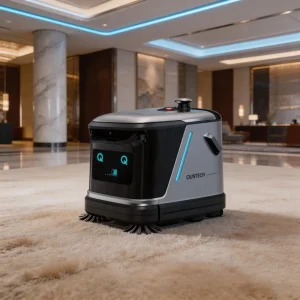
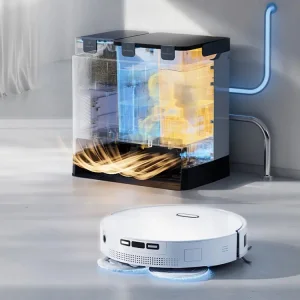
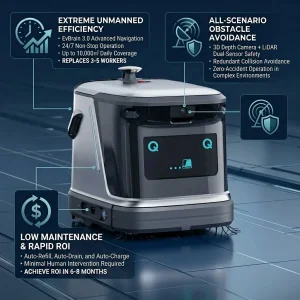
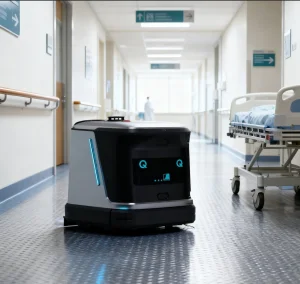
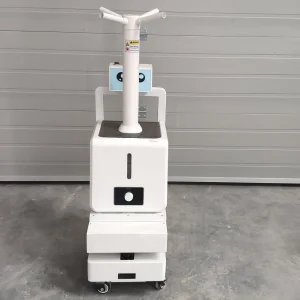
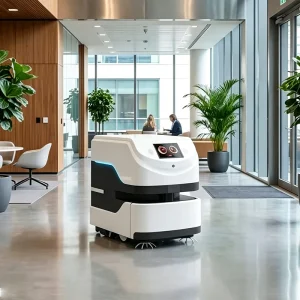
Our smart floor systems and atomizing disinfection robots allow hotels, shopping centers, and hospitals to run continuous cleaning programs. They optimize power use and ensure zero-residue sterilization without harsh chemical run-offs.
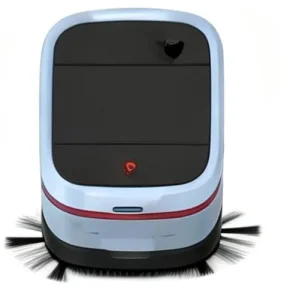
NovaBot industrial sweepers clean heavy concrete dust and transport debris in high-traffic hubs. Using LiDAR mapping and anti-collision arrays, they navigate around fast-moving forklifts and automated storage systems (ASRS) without stopping.
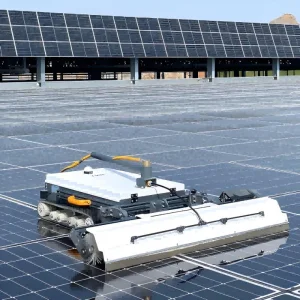
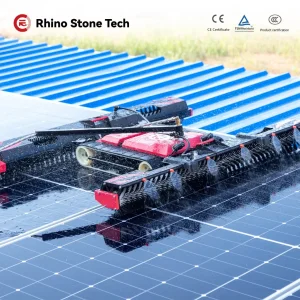
Dust and dirt build-up can reduce solar farm output by up to 30%. Our specialized crawler solar panel cleaners use intelligent dry-sweeping and water-saving wet-wash systems to clear panels in tough desert or rural environments, maintaining peak panel performance.
At NovaBot, we connect advanced artificial intelligence with sustainable engineering. Our development timeline focuses on improving system autonomy and reducing resource footprints.
Using 3D LiDAR and ultrasonic sensors, our systems create highly accurate maps of commercial layouts. This dynamic routing cuts down on repeat passes, saving up to 25% battery life per cleaning cycle. Real-time water control valves release the exact amount of moisture needed, preventing water waste.
Our centralized IoT portal gives facility managers remote control over scheduling, battery life, and clean-water consumption levels. When running low, robots return to self-contained docking stations to drain wastewater, refill clean water, and recharge, keeping human intervention to a minimum.
Our solar station cleaning crawlers use on-board photovoltaic cells to charge themselves during operation. We are also testing solid-state battery technology to lengthen product life cycles, minimize heavy metal waste, and simplify recycling.
Buying a commercial robotic fleet requires reliable local support and compliance. As an experienced exporter, NovaBot ensures all products are certified for their target markets, including CE, FCC, RoHS, and UL safety standards. We handle customs documentation, container logistics, and transport insurance to make delivery straight-forward.
To keep customer fleets running smoothly, NovaBot works with regional service partners across Europe and North America to supply original spare parts, squeegee blades, and replacement lithium batteries. We also provide remote API integration and software updates so systems stay updated with the latest navigation improvements and security features.
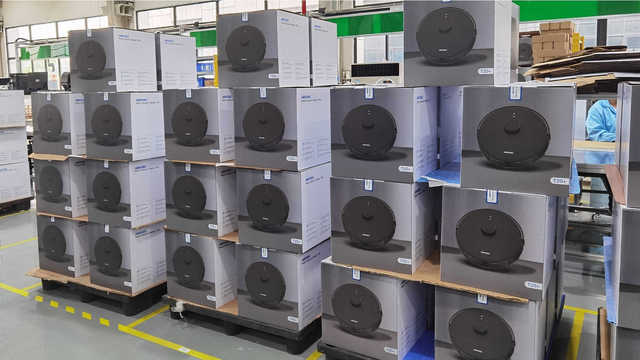
A look inside our 28,000 square meter factory, featuring automated lines, research centers, and strict quality control operations.

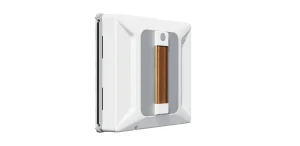
Compare our specialty systems, including high-adhesion window-cleaning bots, commercial floor scrubbers, and automated panel cleaners.
Get answers to common technical, logistics, and integration questions from facility managers and buyers.
 NovaBot Robot