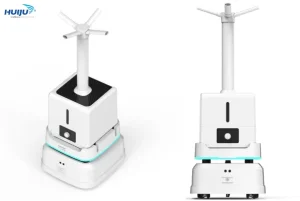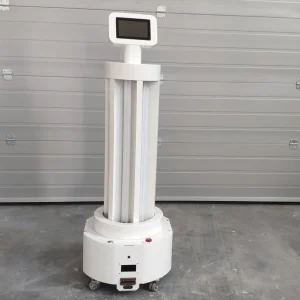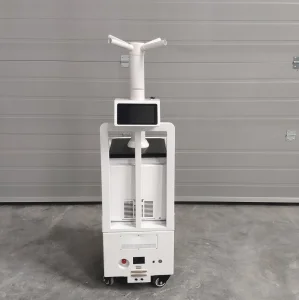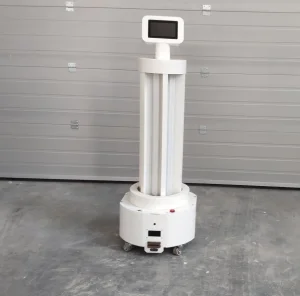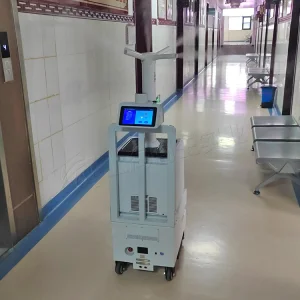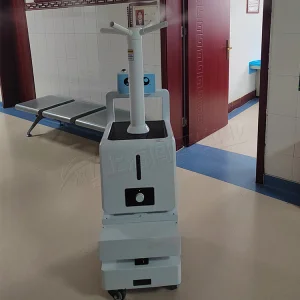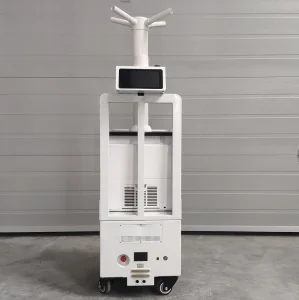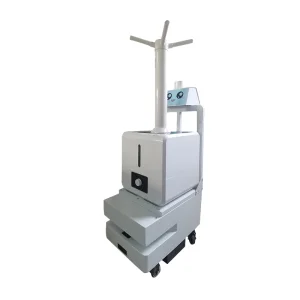
As Egypt progresses toward its "Vision 2030" development goals, the healthcare sector is undergoing a massive digital and technological overhaul. With the rollout of the Universal Health Insurance System and the construction of the New Administrative Capital’s medical hubs, the demand for world-class infection control has never been higher. Hospital Sanitizing Robots have emerged as a critical component in mitigating Healthcare-Associated Infections (HAIs), which remain a significant challenge in high-traffic public and private hospitals across Cairo, Alexandria, and Luxor.
In Egypt, the industrial sanitization market is shifting from manual chemical spraying to autonomous, data-verified disinfection. The Ministry of Health and Population (MoHP) is increasingly emphasizing the "clean hospital" initiative. For Egyptian facility managers, the ROI (Return on Investment) is clear: robotic systems reduce the reliance on scarce specialized cleaning labor, minimize human exposure to toxic disinfectants, and provide 100% consistent results that manual labor simply cannot achieve.
Pathogen Eradication Rate
Autonomous Operation
Reduction in HAI Incidents
Chemical Human Exposure
Understanding the technology is vital for procurement officers in Egypt. Our robots utilize two primary modalities often integrated into a single platform:
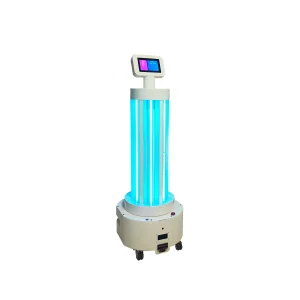
Equipped with high-intensity 254nm UVC lamps, these robots destroy the DNA and RNA of viruses and bacteria. In the dry climate of Egypt, UVC is particularly effective for surface sterilization in operating theaters and ICUs. Our robots use LiDAR-based SLAM (Simultaneous Localization and Mapping) to navigate around medical equipment without human intervention.
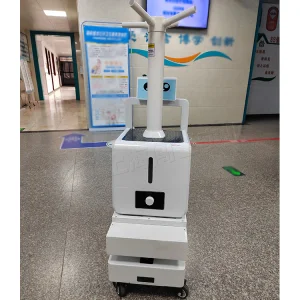
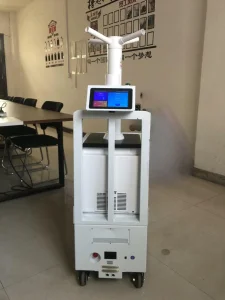
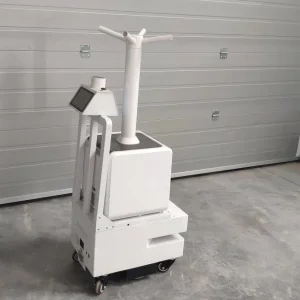
For air-borne pathogens, our robots deploy a 10-micron ultra-fine dry mist of H2O2 (Hydrogen Peroxide) or Hypochlorous Acid. This mist reaches the "hidden" corners of a hospital room that UVC light or manual wiping cannot reach. The intelligent adaptation software calculates the exact volume needed based on the room's cubic dimensions.
While we are a global leader based in Guangzhou, our solutions are localized for the Egyptian market. This includes:
• Localization Support: User interfaces available in English and Arabic.
• Power Compliance: Standard 220V/50Hz compatibility for Egypt's power grid.
• Regulatory Alignment: Products are designed to meet FDA and CE standards, aligning with the Egyptian Drug Authority (EDA) guidelines for medical-grade equipment.
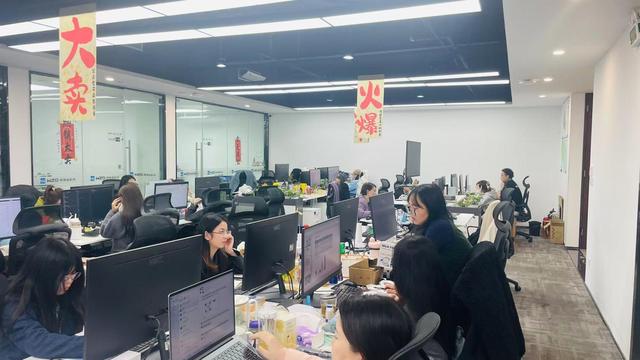
Guangzhou NovaBot Robot Co., Ltd. is a professional smart cleaning robot manufacturer specializing in AI robotic vacuum cleaners, intelligent floor cleaning systems, and autonomous sanitation solutions for global residential and commercial markets. Established in 2014 and headquartered in Guangzhou, China, NovaBot has rapidly grown into an innovative technology-driven enterprise integrating research and development, manufacturing, quality control, and international sales.
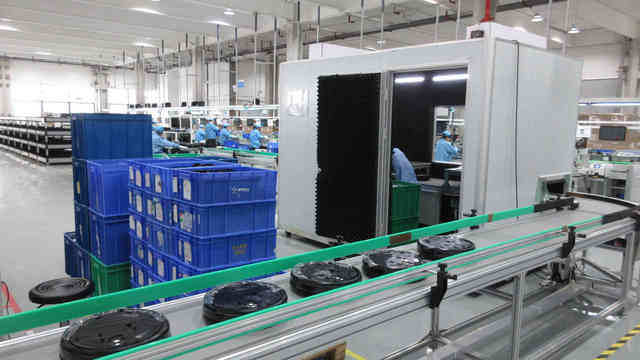
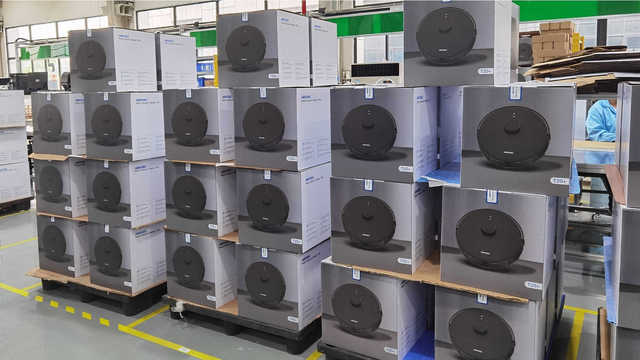
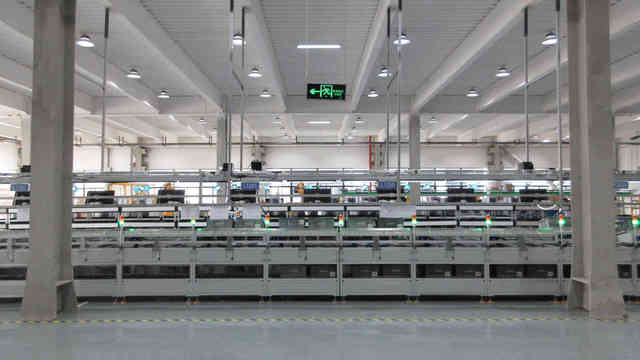
The company operates a modern production facility covering over 28,000 square meters with more than 320 skilled employees and 18 automated assembly lines. Equipped with advanced testing laboratories and intelligent manufacturing systems, NovaBot maintains strict quality management standards throughout every stage of production. Annual production capacity exceeds 1.2 million smart cleaning devices, serving distributors, retailers, and OEM/ODM partners across Europe, North America, Southeast Asia, and the Middle East, including significant partnerships within Egypt's private medical sector.
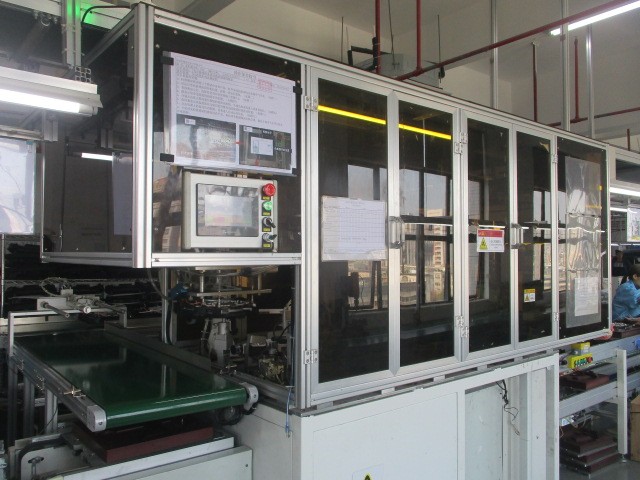
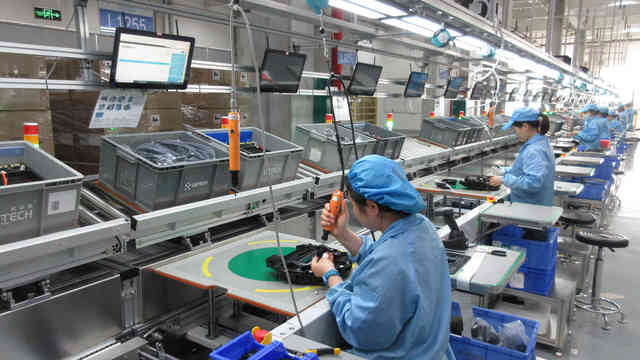
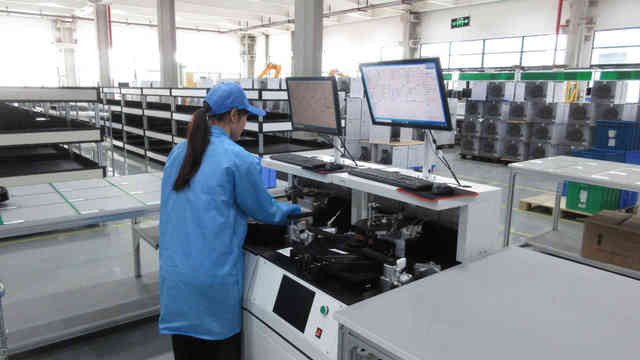
NovaBot’s product portfolio includes robotic vacuum cleaners, smart mop robots, AI-powered floor scrubbers, UV sterilization cleaning robots, commercial autonomous cleaning machines, and customized intelligent sanitation equipment. By combining advanced navigation technology, LiDAR mapping systems, IoT connectivity, and energy-efficient designs, the company delivers reliable and user-friendly cleaning solutions for homes, offices, hotels, hospitals, shopping centers, and industrial facilities in Egypt.
The global sanitizing robot market is expected to reach $3.5 billion by 2030. For Egyptian stakeholders, the future involves "Fleet Management." A single hospital in Cairo can manage 10-20 robots through a centralized cloud dashboard, monitoring disinfection logs and battery health in real-time. This provides an "Audit Trail" for health inspectors, proving that sterilization protocols were followed precisely.
 NovaBot Robot